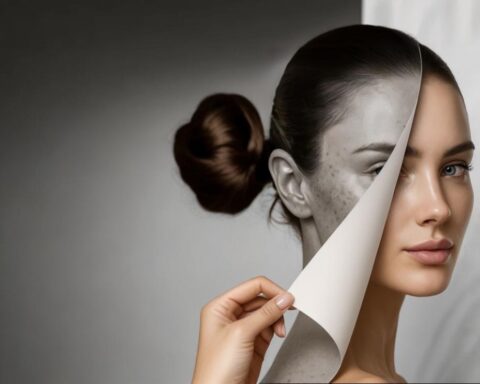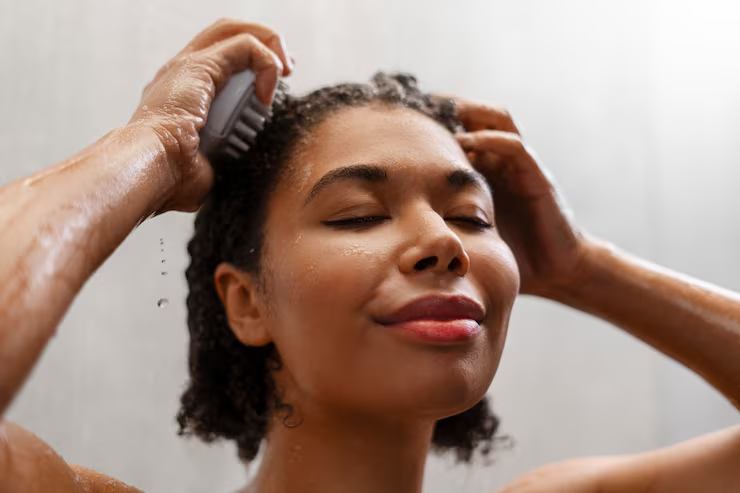
For years, we’ve invested in serums, moisturisers and sunscreen for our face, while stopping our skincare routine exactly where our hair begins. That, experts say, is about to change.
There was a time when haircare revolved around shampoos, conditioners and the occasional oil massage. Today, however, the beauty industry is shifting its focus beneath the strands—to the scalp itself.
Dubbed the “skinification of hair,” this growing movement treats the scalp as an extension of facial skin rather than merely the surface from which hair grows. From scalp serums infused with peptides and hyaluronic acid to microbiome-friendly formulations and exfoliating treatments, a new category of products is emerging, one rooted in dermatological science rather than cosmetic promises.
And according to experts, this isn’t just another fleeting beauty trend.
The Foundation of Healthy Hair
“The scalp is living skin,” says Dr. Geetika Srivastava, MD Dermatology (AIIMS) and Founder of Influennz Clinic. “Like the skin on our face, it has a protective barrier, its own microbiome and unique biological needs. Healthy hair doesn’t begin with expensive serums or styling products—it begins with a healthy scalp.”
For years, conversations around skincare have become increasingly sophisticated. Consumers understand ingredients like ceramides, niacinamide and hyaluronic acid. They talk about barrier repair, inflammation and personalised skincare routines. Haircare, however, largely remained focused on repairing visible damage instead of improving the environment where hair actually grows.
That mindset is changing.
“The biggest shift is that people are finally recognising the scalp as an extension of the skin rather than simply the place where hair grows,” explains Dr. Akanksha Sanghvi, Celebrity Dermatologist and Founder of Oprava Aesthetics. “Conditions such as dandruff, chronic inflammation, excess sebum and disruption of the scalp barrier all influence the quality of hair and its growth environment.”
Why Now?
The timing is no coincidence.
Today’s consumers are particularly millennials and Gen Z who approach beauty through the lens of wellness. Preventive care has become just as important as corrective treatments. Whether it’s skincare, nutrition, fitness or longevity, people are increasingly investing in routines that prioritise long-term health over quick fixes.
This shift naturally extends to the scalp.

“We’re seeing younger patients seeking preventive care instead of waiting until significant hair thinning develops,” says Dr. Sanghvi. “Greater awareness around stress-related hair fall, pollution, hormonal changes and scalp health has encouraged people to look beyond the hair shaft.”
According to Dr. Ranjitha Chowdary, Consultant Dermatologist at Glow Clinic, Bengaluru, consumers are now beginning to understand that healthy hair starts with a healthy scalp in much the same way healthy skin begins with a healthy skin barrier.
“There has been a shift from reactive treatment to preventive care,” she says. “Instead of waiting for significant hair loss, the focus is moving towards maintaining scalp health and preserving follicle function.”
Even salon professionals are noticing the change.
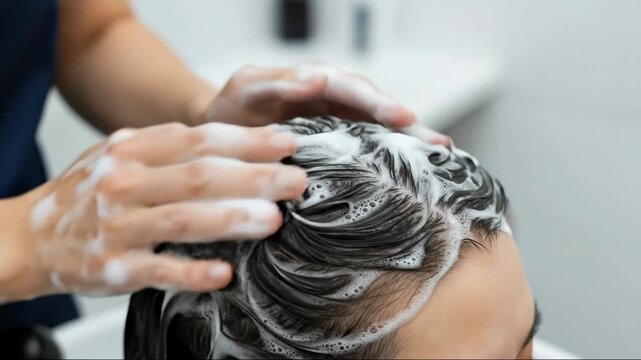
“People are becoming more aware that healthy hair starts with a healthy scalp,” says Adaha Mao, Senior Salon Director at BBlunt Salon. “Concerns like dandruff, oiliness, dryness, pollution and hair fall have made scalp care an essential part of haircare rather than an optional step.”
Is ‘Skinification of Hair’ Backed by Science?
Experts overwhelmingly say yes, with one important caveat.
While the scalp is biologically skin, it behaves differently from the skin on our face.
“The scalp contains a much higher density of hair follicles and sebaceous glands,” explains Dr. Geetika Srivastava. “It is thicker, oilier and far more prone to product build-up and microbial imbalance. That means skincare principles apply, but products need to be specifically formulated for the scalp.”
Dr. Reema Arora, Founder and Medical Director of The Face Clinic, believes the movement is less about adding products and more about understanding the scalp itself.
“A scalp routine shouldn’t begin with a product. It should begin with understanding your scalp,” she says. “Most people can describe their hair type but not their scalp type. Meaningful scalp care begins when we stop assuming every scalp needs the same routine.”
This sentiment is echoed across the industry.
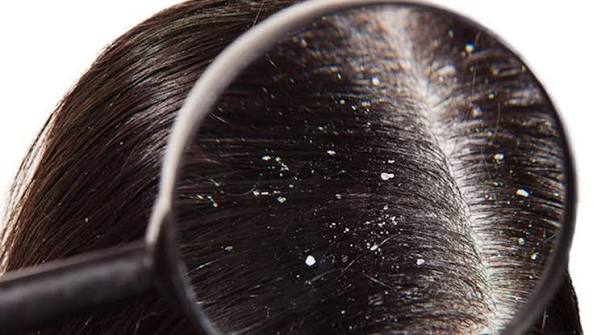
Whether someone has an oily, dry, sensitive or flaky scalp should determine product choices—just as skin type influences facial skincare.
“The biggest mistake consumers make is blindly following trends,” says Deepak Gupta, Co-Founder of Style Lounge. “Personalisation is becoming essential. Understanding your scalp before choosing products will always deliver better results than experimenting with everything that’s trending.”
What Should a Scalp Routine Look Like?
Unlike elaborate 10-step skincare routines, experts recommend keeping scalp care relatively simple.
The first step is cleansing with a shampoo suited to one’s scalp type rather than hair texture alone. Those experiencing excess oil, pollution exposure or product build-up may benefit from occasional exfoliation using scalp scrubs or salicylic acid-based cleansers.
Hydration is equally important.
Conditioners traditionally focus on the hair shaft, but dermatologists predict an increase in lightweight scalp moisturisers, barrier-supporting formulations and leave-on treatments designed to improve hydration without clogging follicles.
Sun protection could also become the next frontier.
“Emerging evidence suggests excessive UV exposure contributes to hair fibre damage and colour fading,” says Dr. Geetika Srivastava. “As research evolves, dedicated hair and scalp sunscreens may become as routine as facial sunscreen.”
The Ingredients Defining the Future
As scalp care evolves, ingredient innovation is becoming increasingly science-led. Across dermatologists, founders and educators, several ingredients consistently emerge as the future of the category.
Niacinamide continues to gain popularity for balancing sebum production while supporting the scalp barrier. Salicylic acid helps gently exfoliate product build-up and excess oil. Ceramides strengthen barrier function, while hyaluronic acid improves hydration.
Peptides are attracting significant attention for their potential role in supporting follicle health, although experts emphasise that research is still evolving. Dr. Sanghvi also points to biomimetic peptides, antioxidant technologies, microbiome-supportive ingredients, exosome-inspired research and barrier-repair formulations as promising areas currently under investigation.
Meanwhile, Dr. Blossom Kochhar, pioneer of aromatherapy in India, believes the future lies in combining botanical ingredients with scientific innovation. “Expect to see more adaptogens, essential oils, soothing botanical extracts and personalised routines,” she says. “Scalp care isn’t dialling down anytime soon it’s becoming smarter and more mindful.”
Beyond Products: The Rise of Personalised Beauty
Perhaps the biggest innovation won’t come from a single hero ingredient at all. Instead, experts believe the future belongs to diagnostics and personalisation. AI-assisted scalp analysis, digital imaging, microbiome testing and customised product recommendations are expected to reshape how consumers approach scalp health.
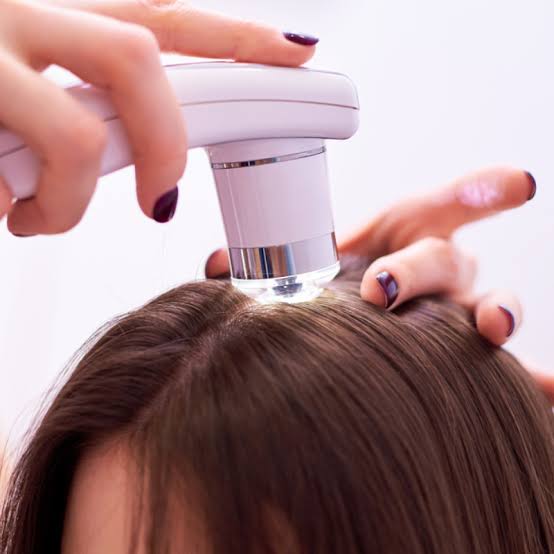
“Technology will allow consumers to understand their scalp condition before selecting products,” says Deepak Gupta. “The future of beauty lies in combining dermatological science with artificial intelligence.” Dr. Ranjitha Chowdary agrees, adding that AI-assisted scalp imaging, microbiome-focused formulations and advanced ingredient delivery systems could make treatments more precise than ever before.
Beauty Begins at the Roots
The beauty industry has spent the past decade teaching consumers to understand their skin. Now, it is beginning to ask them to do the same for their scalp.
The movement isn’t about replacing traditional haircare or encouraging another lengthy routine. It’s about recognising that healthy hair is supported by a healthy scalp and that prevention often matters more than correction. As Dr. Reema Arora puts it: “The future of scalp care isn’t about adding more. It’s about understanding more.” And perhaps that’s the real evolution of modern beauty but not chasing another miracle product, but finally paying attention to the skin we ignored for far too long.
Also Read:
Beauty with Backbone: How Women Founders Are Reshaping India’s Beauty Industry
The Clean Girl Clocked Out, Her Chaos Era Just Clocked In
Dewy, Not Dry: Try These 5 Hydrating Shimmer Products for a Lit-From-Within Look