Luxury hospitality has long been defined by permanence. Marble lobbies, polished brass accents, hand-carved wood panels and dramatic chandeliers have traditionally symbolised opulence, creating spaces designed to impress from the moment guests walked in. Today, however, the language of luxury is evolving.
The newest statement in high-end hospitality isn’t carved from stone or cast in metal. Instead, it’s woven, draped and layered through fabric.
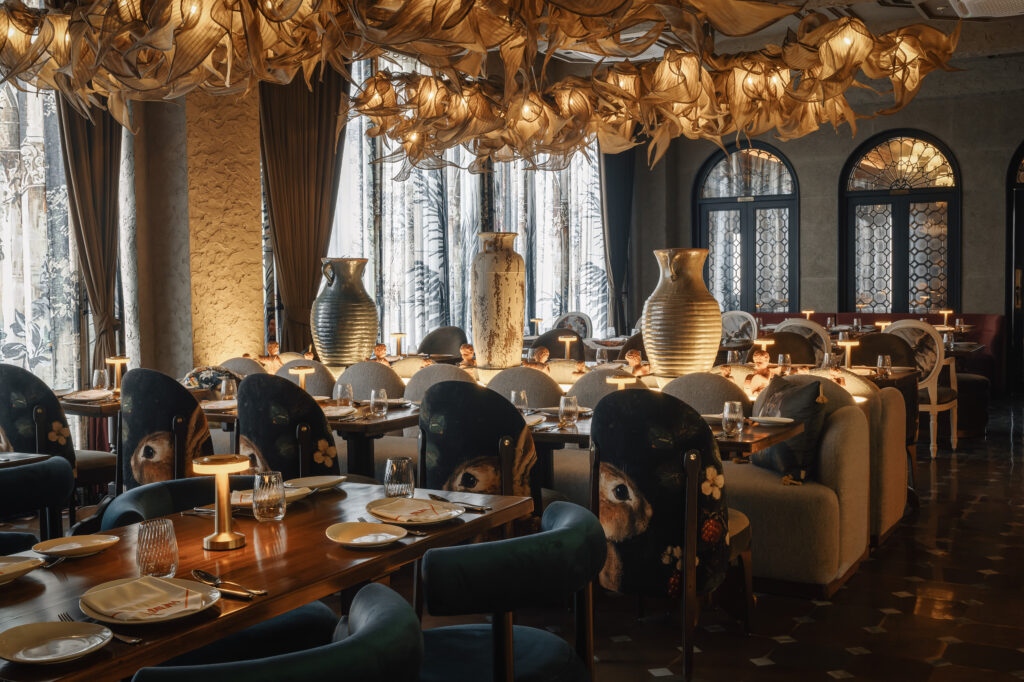
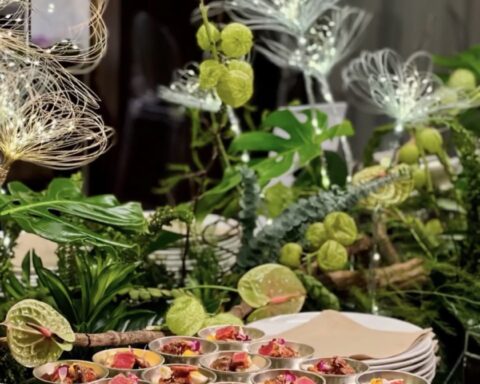
Across restaurants, boutique hotels and luxury cafés, textiles are emerging as one of the most influential design elements. Silk walls, suspended fabric installations, handcrafted tapestries and sculptural drapery are transforming interiors into immersive environments that feel softer, more intimate and deeply personal. Rather than functioning as decorative additions, these installations are becoming an integral part of the guest experience, shaping how people feel long before the first course arrives.
The shift reflects a broader evolution in hospitality itself. Luxury is no longer measured solely by expensive materials or extravagant architecture. Today’s guests are searching for spaces that evoke emotion, tell authentic stories and leave lasting impressions.
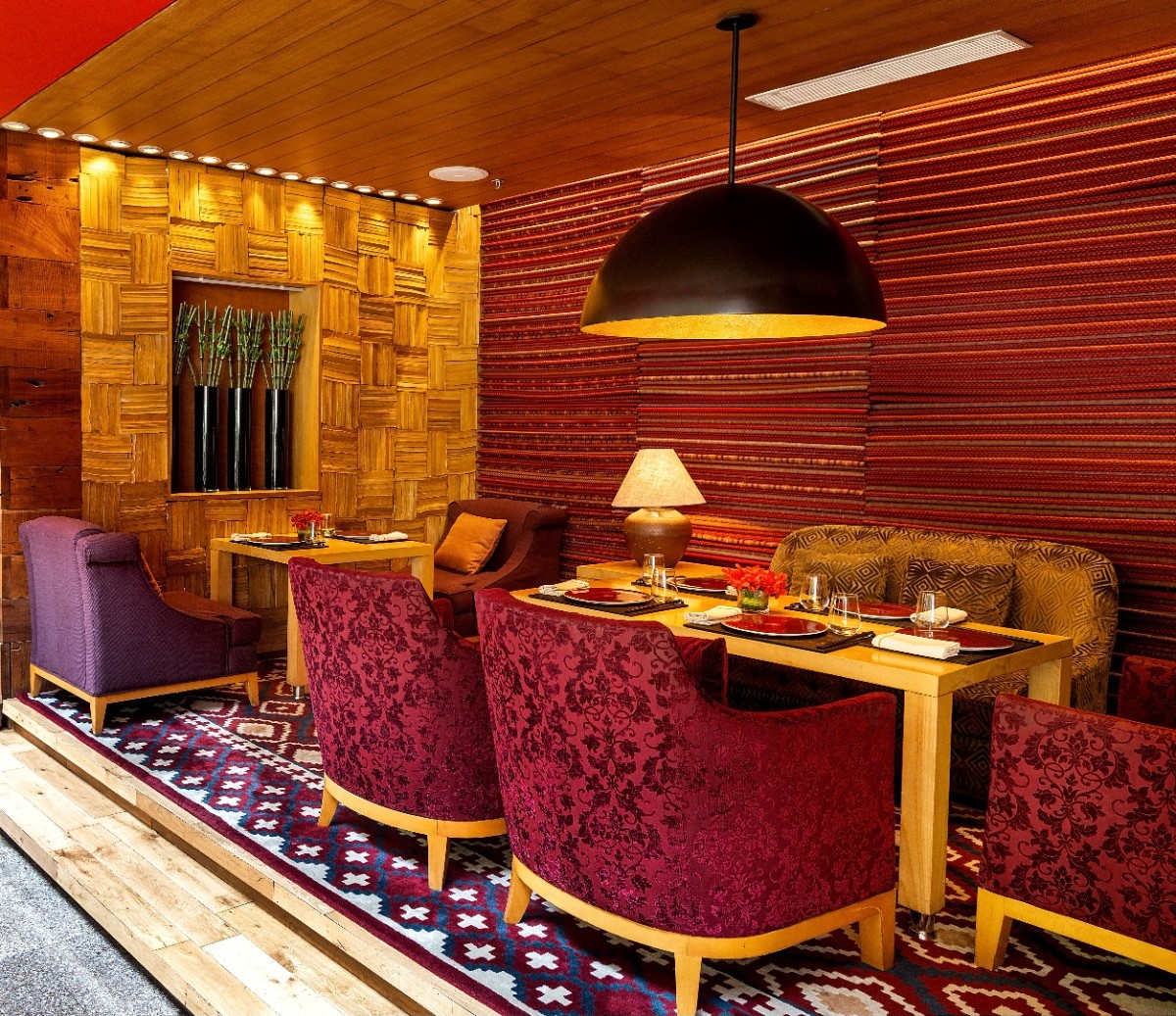
At Yàn Yǎn at The Ritz-Carlton, Bangalore, this philosophy comes alive through a striking Chinese silk installation that anchors the restaurant’s identity. More than an artistic feature, the silk wall reflects the restaurant’s commitment to creating what Hotel Manager Saif Siddiqui describes as a “feast for the eyes,” where visual artistry complements culinary excellence.
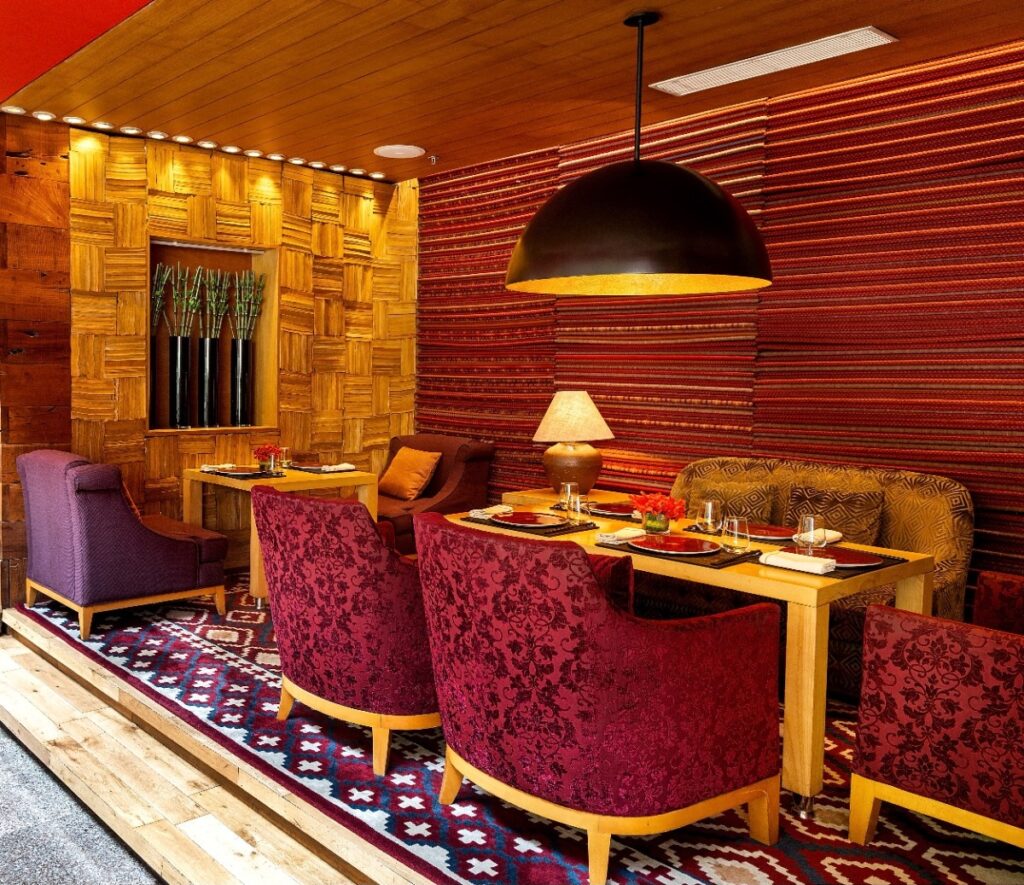
“Dining is inherently multisensory. Before guests taste the cuisine, they experience the space,” Siddiqui explains. The silk installation establishes a tranquil atmosphere that balances the richness of the interiors while reinforcing the precision and elegance of the restaurant’s contemporary Chinese cuisine.
This emphasis on multisensory storytelling marks a significant departure from the design trends that dominated hospitality over the past decade. As restaurants increasingly competed to become social media destinations, visually striking backdrops often became the primary objective. While these spaces generated millions of photographs online, many failed to create memorable experiences beyond the camera lens.
Today’s hospitality leaders are thinking differently. Rather than designing spaces that simply photograph well, they are creating environments that guests remember. According to Ankita Bhatia, co-founder of Adelina, the distinction lies in purpose. “A memorable installation has purpose. It should enhance the guest’s experience rather than exist solely as a backdrop for photographs. The most successful pieces become part of the restaurant’s identity, creating emotion, sparking conversation and complementing the cuisine, lighting, music and service.”
That philosophy is reshaping how designers approach hospitality interiors. Fabric possesses qualities that traditional materials simply cannot replicate. While marble, glass and metal communicate permanence and structure, textiles introduce movement, softness and tactility. They absorb sound, diffuse light and create a sense of warmth that makes large spaces feel more intimate.
At Yàn Yǎn, silk was selected not only for its aesthetic qualities but also for its cultural significance. Deeply rooted in Chinese history, silk became a natural choice for a restaurant celebrating contemporary Chinese dining. As daylight shifts throughout the day, the installation interacts with changing light conditions, revealing new textures and creating an environment that continuously evolves. The material itself becomes part of the storytelling, weaving cultural authenticity into every guest’s experience.
For celebrated designer Maheka Mirpuri, whose work spans fashion, interiors and hospitality, textiles have always carried emotional weight beyond their visual appeal.
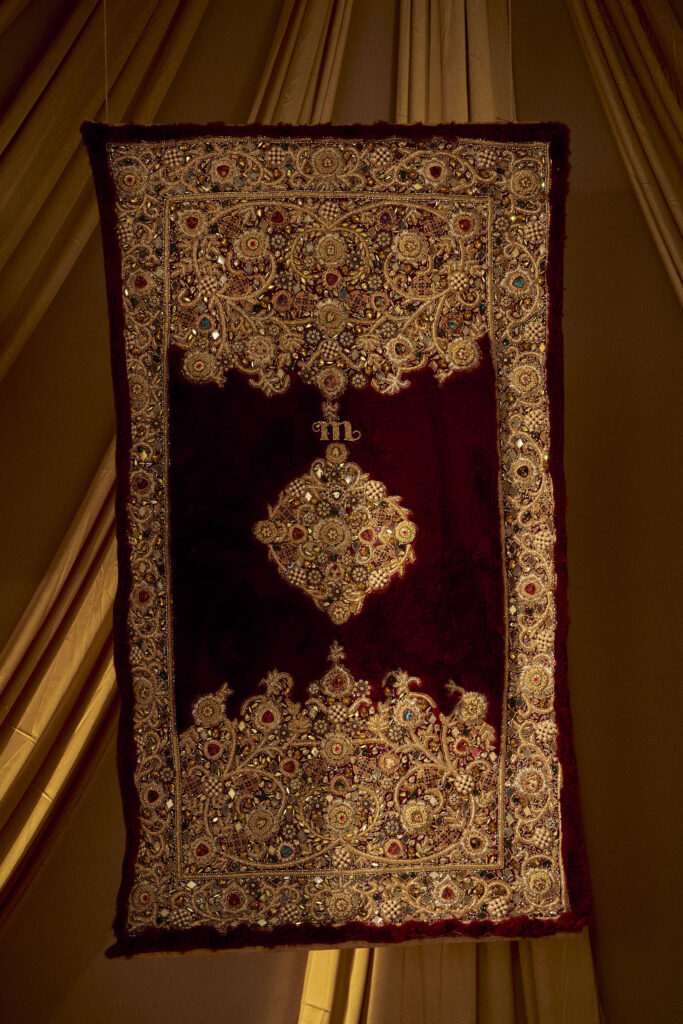
“Fabric has a soul,” she says. “It softens a space while adding depth, texture and drama. I’ve always believed textiles tell stories, whether they’re worn as couture or experienced within an interior. Fabric isn’t simply a material; it’s a living canvas that transforms spaces into experiences.”
That perspective reflects a growing convergence between fashion, art and hospitality. Restaurants are increasingly borrowing from gallery spaces, couture craftsmanship and bespoke art installations to create environments that feel curated rather than constructed. Guests are no longer simply dining within beautifully designed rooms; they are entering carefully composed narratives where architecture, lighting, art, materials and cuisine work together to tell a cohesive story.
Signature installations have become central to that narrative.
Much like iconic architecture defines luxury hotels, a thoughtfully executed installation can become the visual embodiment of a restaurant’s identity. It offers guests something instantly recognisable while expressing the values and philosophy behind the brand. Importantly, however, these installations succeed only when they complement rather than compete with the dining experience.
As Ankita Bhatia notes, “The most successful installations complement the food, service and atmosphere, ensuring guests remember the complete experience rather than just a single design element.”
This evolution also reflects changing consumer behaviour. Modern luxury consumers, particularly younger travellers and diners, increasingly value authenticity over extravagance. Rather than being impressed by excess alone, they are drawn to craftsmanship, cultural narratives and spaces that feel meaningful. They seek environments that offer a genuine sense of place rather than interchangeable luxury.
Siddiqui predicts a greater emphasis on artisanal materials, handcrafted installations and culturally rooted storytelling, supported by sustainable sourcing and timeless craftsmanship. Similarly, Bhatia believes the next generation of luxury restaurants will prioritise natural materials, sensory experiences and design decisions that create emotional connections beyond aesthetics.
For Mirpuri, the future lies in creating environments that invite people to slow down. She envisions hospitality spaces where fashion, art and design intersect to produce interiors filled with warmth, identity and soul, proving that true luxury has never been about excess but about craftsmanship, storytelling and human connection.
Ultimately, fabric installations represent far more than a passing design trend. They symbolise a broader shift in luxury hospitality—from creating spaces that simply impress to creating spaces that genuinely resonate.
Because long after the meal is over, guests rarely remember the marble beneath their feet. They remember how the space made them feel.