For years, wellness was about looking younger, feeling fitter and squeezing more out of the day. Today, the conversation has shifted. Longevity has become the new wellness frontier but increasingly, the question isn’t “How long can I live?” It is “How well can I live?”
That distinction between lifespan and healthspan is changing the way people think about ageing. As Dr Prem Narasimhan, Consultant Geriatrics at Jaslok Hospital, puts it, people want to remain physically independent, mentally sharp and socially connected for as many years as possible. And perhaps that explains why longevity has moved from a niche medical conversation into mainstream wellness.
Social media has certainly accelerated the trend. Wearables, biological-age tests, biohacking and personalised health data have made people more curious about what is happening inside their bodies. Cold plunges and infrared saunas have become almost synonymous with the modern longevity lifestyle. But the doctors urge a little perspective.
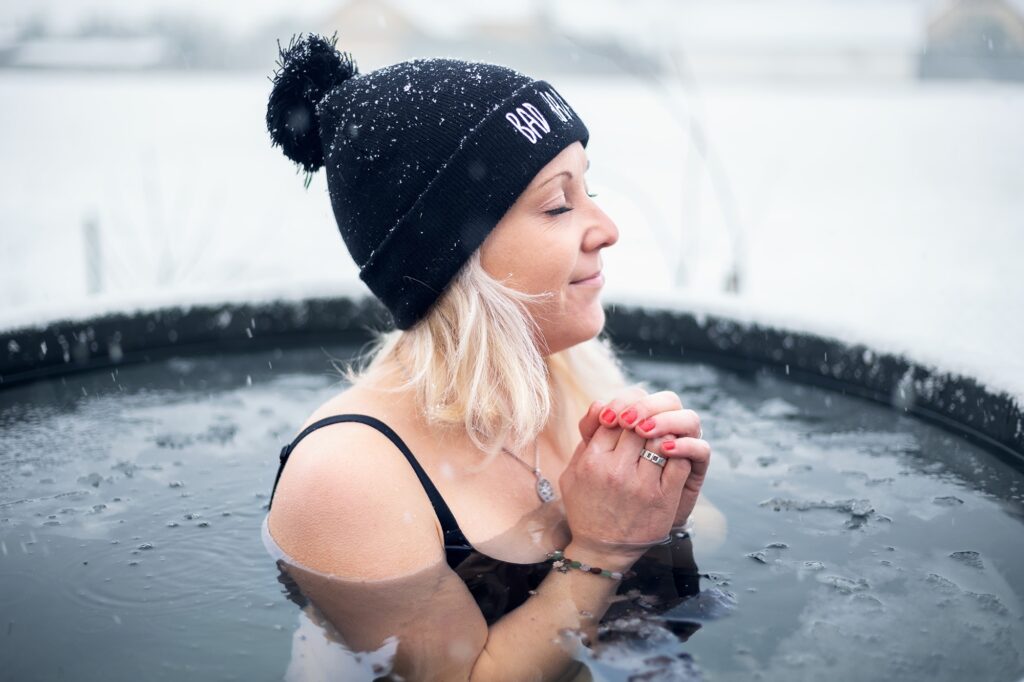
“There is some scientific rationale, but the marketing often runs ahead of the evidence,” says Dr Narasimhan. Cold-water immersion can produce short-term physiological effects and may help with post-exercise muscle soreness, but there is currently no convincing evidence that it extends human lifespan or prevents age-related disease. Heat therapies have somewhat stronger evidence, particularly around traditional sauna use, although even here the data is not definitive.
Dr Prince John, Palliative Care Expert at Inamdar Multispeciality Hospital, Pune, makes the distinction clear: these therapies can be wellness adjuncts, not substitutes for the fundamentals. Exercise, adequate sleep, nutrition and control of blood pressure, cholesterol and blood sugar still do the heavy lifting.
And if longevity had a secret weapon, both doctors point to something considerably less glamorous than a cold plunge: muscle.
“Muscle is a longevity organ,” says Dr Narasimhan. Strength affects glucose metabolism, balance, bone health, mobility and, crucially, the body’s ability to recover from illness. The prescription is simple but often overlooked: move every day, combine aerobic activity with resistance training and incorporate balance work as we age.
Food matters too but not necessarily the latest superfood. A sustainable diet built around vegetables, fruits, legumes, whole grains, nuts, healthy fats and adequate protein is far more meaningful than chasing a new wellness hack every month. Add seven to eight hours of good-quality sleep, avoid tobacco, manage cardiometabolic risk factors and maintain meaningful social connections, and the longevity equation starts looking surprisingly ordinary.
Preventive healthcare is another piece of the puzzle. Screening shouldn’t simply mean ticking boxes on an annual health package. It means identifying risks that can quietly erode independence, hypertension, diabetes, osteoporosis, sensory impairment, nutritional deficiencies, falls risk and cognitive decline and addressing them early. As Dr John puts it, the goal is to measure before disease becomes disability.
Perhaps the most refreshing takeaway from the longevity conversation is that ageing well isn’t about fighting age. It is about preserving the capacity to walk, think, communicate, work, travel, connect and participate in life.
The future of longevity may therefore be less about extreme interventions and more about something much harder and much more sustainable: building a body and life you can keep showing up for.