Wellness today has become a bit of a competitive sport. Everyone has a prescription for longevity cold plunges, red light therapy, lymphatic drainage, supplements, intermittent fasting, breathwork and, inevitably, a podcast telling you that your gut is responsible for approximately everything that has ever gone wrong with you.
But somewhere between biohacking and the relentless pursuit of optimisation, there is something rather refreshing about going back to the basics.
Ayurveda.
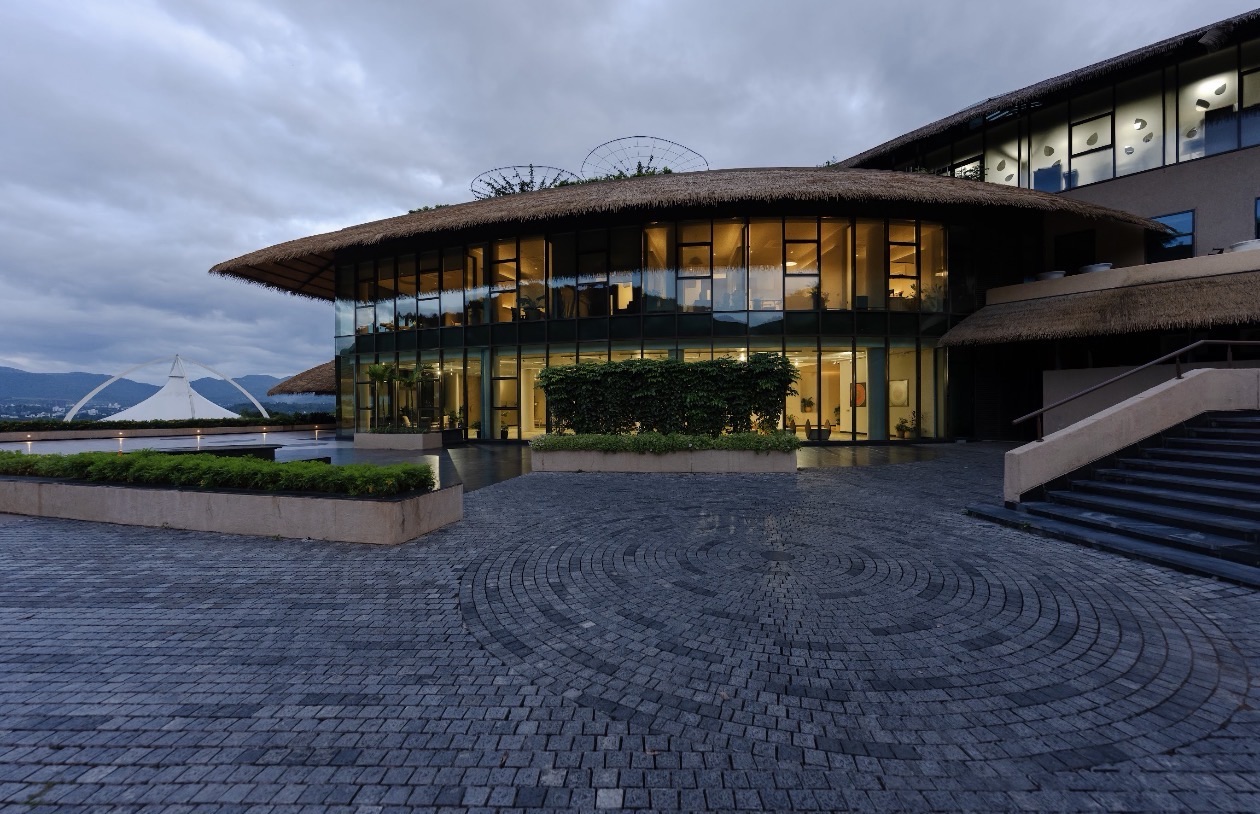
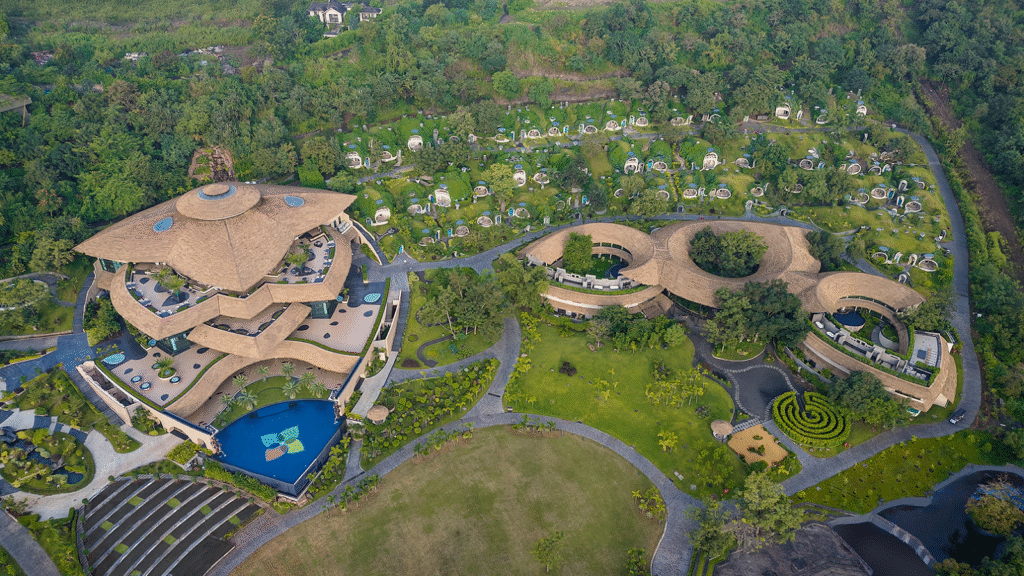
Swastik Wellbeing, which opened in late 2024, sits across 51 acres on the lush outskirts of Pune, and feels less like a conventional wellness retreat and more like an escape into another, considerably quieter universe. Think rolling greenery, whimsical architecture and the kind of silence that makes you realise just how much noise you normally live with.
I arrived with the usual wellness-retreat expectations: consultations, therapies, herbal concoctions and food that would be described as “clean” approximately seventeen times a day.
What I didn’t expect was how much the experience would revolve around food—and, more specifically, digestion.
IT STARTS WITH THE GUT
At Swastik, your wellness journey begins with understanding what is happening inside your body rather than simply throwing treatments at it.
The initial consultation with Dr Jagdish was one of the highlights for me. He was remarkably precise and refreshingly to the point. Rather than drowning you in complicated terminology, he gets to the crux of what may actually be bothering you and explains the issue in a way that makes sense.
Your constitution, current imbalances, lifestyle and overall wellbeing feed into how your programme is approached. The idea is not to prescribe one universal version of wellness, but to understand that what works for one person may not necessarily work for another.
And then there is the food.
FOOD IS NOT AN AFTERTHOUGHT
This may have been my biggest surprise.
Every meal begins with a prayer an incredibly simple ritual that asks you to pause before eating. The philosophy is rooted in the Ayurvedic idea of agni, or digestive fire, and the larger belief that food is medicine.
But here’s the thing: the food doesn’t feel medicinal. It feels indulgent.
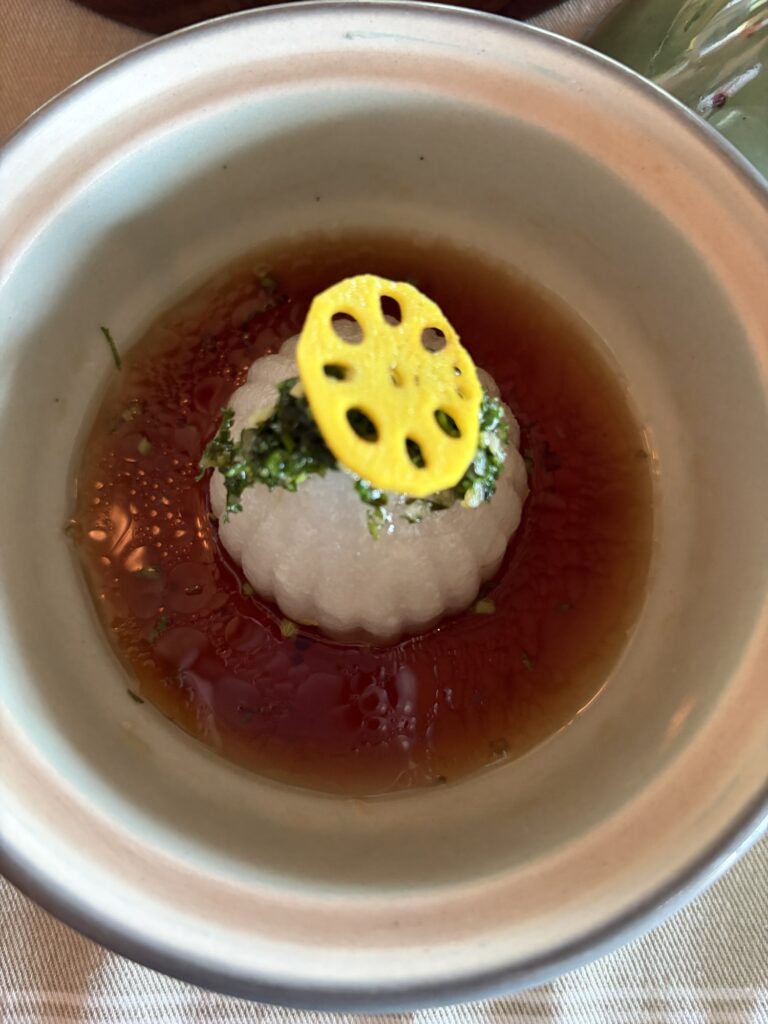
Meals are beautifully presented, thoughtfully portioned and surprisingly sophisticated. Ayurvedic cuisine here doesn’t mean an endless parade of boiled vegetables and sad-looking grains. There are inventive preparations, layers of flavour and desserts that make you question whether someone has accidentally let a fine-dining chef loose in an Ayurvedic kitchen.
The ragi pizza was a particular standout crisp, savoury and genuinely satisfying. The desserts were equally unexpected, with ingredients such as sweet potato, dark chocolate, sago, nuts and jaggery coming together in ways that made “healthy” feel like a very inadequate description. What blew me was the Sago dumpling for the cravings we had.

What I appreciated most was the philosophy behind it. The food is not simply designed to fill you up; it is considered alongside your individual needs and the larger healing process.
And after every meal comes a warm digestive tonic of caraway and fennel a small ritual that somehow makes the entire experience feel cohesive.
You don’t leave the dining room feeling like you’ve been punished for wanting to eat well.
You leave feeling fed.
THEN COME THE THERAPIES
The therapies at Swastik are where the experience moves from intellectually interesting to deeply experiential.
My Abhyangam followed by steam was particularly good. There is something incredibly grounding about the combination of warm oil, rhythmic massage and steam. It leaves you feeling less like you’ve “had a spa treatment” and more like your entire nervous system has been asked to exhale.
The sound healing was another highlight. It was immersive without feeling overly performative, and one of those sessions where the less you try to analyse what is happening, the better it works.

And then there are the Vedanta sessions.
These aren’t your conventional motivational wellness talks. They delve into the philosophy of life our relationship with ourselves, our thoughts, our actions and the world around us.
For me, this was perhaps what elevated Swastik beyond being simply a wellness retreat.
Because wellness cannot only be about what you eat, how much you sleep or how flexible your body becomes.
At some point, you have to ask: how are you actually living?
THE BIGGER RESET
What Swastik does particularly well is create a sense of continuity between the different elements of the experience.
The food, Ayurveda, therapies, sound healing, philosophy and quiet surroundings don’t feel like separate activities ticked off a retreat itinerary. They are pieces of the same proposition: slowing down enough to understand your body and, perhaps, yourself a little better.
There is no dramatic “detox” moment where you wake up on day two feeling like a brand-new human.
Instead, the changes are subtler.
Meals feel lighter. You become more conscious of how you eat. You notice how your body responds. You sleep differently. You spend less time reaching for your phone. And somewhere between an Abhyangam, a beautifully considered meal and a Vedanta conversation, you begin to realise that wellbeing might not be about adding more things to your life.
Swastik Wellbeing isn’t trying to compete with the latest biohacking fad. Its proposition is older and arguably much simpler: understand your body, nourish it properly, quieten the mind and make space for introspection.
And in an era obsessed with finding the next big wellness breakthrough, there is something quite powerful about remembering that some of the oldest ideas are still worth listening to.