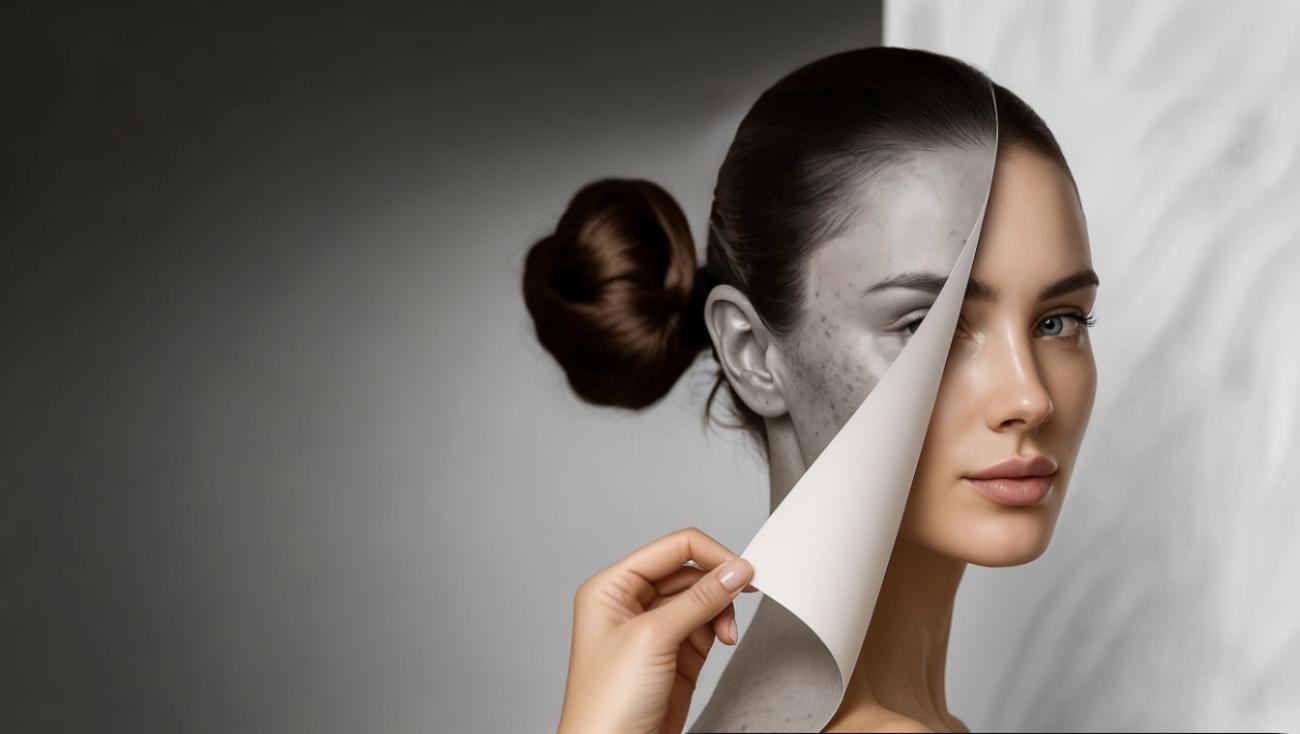
For years, the beauty industry was obsessed with quick fixes and instant glow, anti-ageing creams, overnight masks and treatments promising visible results in days. But the conversation is slowly changing. “Skin longevity” is emerging as a new beauty philosophy, with the focus moving from reversing signs of ageing to maintaining healthy, resilient skin for longer. And in this shift towards prevention and long-term care, some of Ayurveda’s oldest beauty practices are finding new relevance.
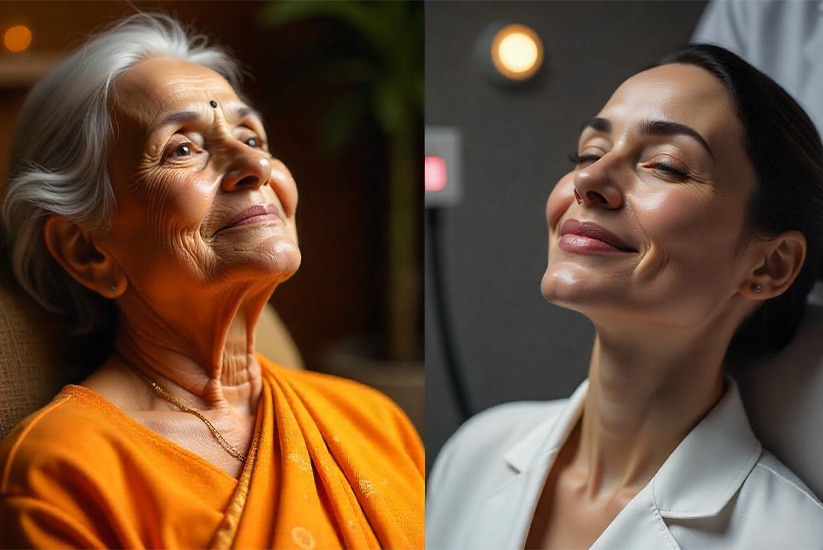
Long before skin longevity became a beauty buzzword, Ayurveda approached skin and hair as part of the body’s overall state of wellbeing. Rather than treating beauty as an isolated, surface-level concern, traditional Ayurvedic practices have historically connected skin and hair health with factors such as nutrition, digestion, sleep, stress, daily routines and seasonal changes.
“Ayurveda has always taught that skin and hair are the last tissues to receive nourishment within the body and that is why one cannot expect any permanent glow to come from using external products,” says Dr Partap Chauhan, Director at Jiva Ayurveda, Pioneer of Ayurvedic Telemedicine, Celebrity Ayurvedacharya and Wellness Ambassador in India.
This philosophy is increasingly interesting in a beauty landscape where consumers are moving away from aggressive interventions and towards routines that support long-term skin health. The idea is no longer simply to make skin look younger, but to maintain its health, resilience and function through different stages of life.
According to Dr Rahul Madathil, Co Spa Director at Avās Wellness Club, Ayurveda views skin and hair health as a reflection of overall wellbeing. “Factors such as digestion, nutrition, sleep, stress, hormonal balance, daily routines and even seasonal changes can influence how our skin and hair look and feel,” he says. This makes consistency central to the Ayurvedic approach, with nourishment, rest, movement, stress management and appropriate topical therapies forming part of a larger wellness routine.
One of the most recognisable examples is oiling. What was once dismissed in some beauty circles as an old-fashioned ritual is now being revisited as consumers embrace scalp health, barrier care and ritual-based wellness. In Ayurveda, practices such as Abhyanga, or oil massage, have traditionally been associated with nourishment, relaxation and grounding, while scalp oiling has long been part of hair-care routines.
But the modern revival comes with a caveat: traditional does not necessarily mean universally suitable. “The choice of oil, frequency and method should ideally take into account an individual’s skin or scalp condition, lifestyle and constitution,” explains Dr Madathil. In other words, Ayurveda’s appeal may lie not in turning every traditional practice into a viral beauty hack, but in its emphasis on individualisation.
This is perhaps where Ayurveda intersects most naturally with the current skin-longevity movement. Both conversations move away from the idea of constantly correcting perceived imperfections and towards maintaining health over time. Ayurveda does not necessarily frame ageing as something to be fought; instead, its broader philosophy focuses on supporting the body through different stages of life.
The resurgence of Ayurvedic beauty therefore isn’t necessarily about replacing modern skincare with ancient rituals. Instead, it reflects a larger consumer shift towards slower, more preventive and holistic forms of beauty. Oil massages, appropriate scalp care, balanced nutrition, sleep and stress management may not have the instant gratification of a viral skincare treatment, but their appeal lies in becoming sustainable habits rather than occasional interventions.
“Sometimes the value lies not only in the oil itself, but in creating a regular moment of care and restoration,” says Dr Madathil.
As beauty increasingly moves from anti-ageing to longevity, correction to prevention, and products to rituals, Ayurveda finds itself at an interesting intersection. Its relevance may not be in claiming that ancient wisdom has all the answers, but in offering a different question: instead of asking how to look younger, how can we care for our skin and hair better for longer?