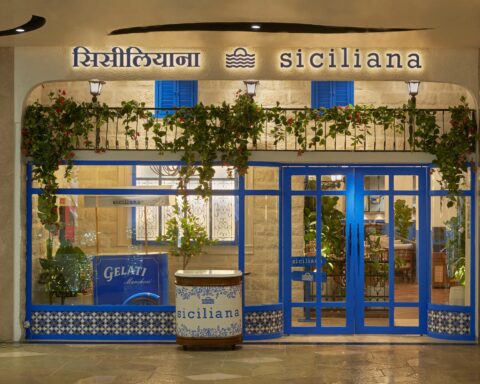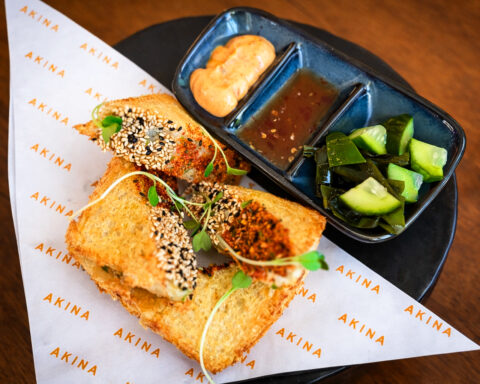
There’s a quiet truth about luxury that most of us feel but rarely say out loud: the more we pay for something, the harder it becomes to enjoy it.
Think about the last time you booked an expensive hotel room or splurged on a business-class ticket. The expectations didn’t just rise—they multiplied. Suddenly, every detail mattered. The room had to smell a certain way, the service had to be flawless, the food had to be exceptional. If even one small thing slipped—a delayed check-in, a lukewarm meal, a slightly uncomfortable seat—it felt like the entire experience had let you down.
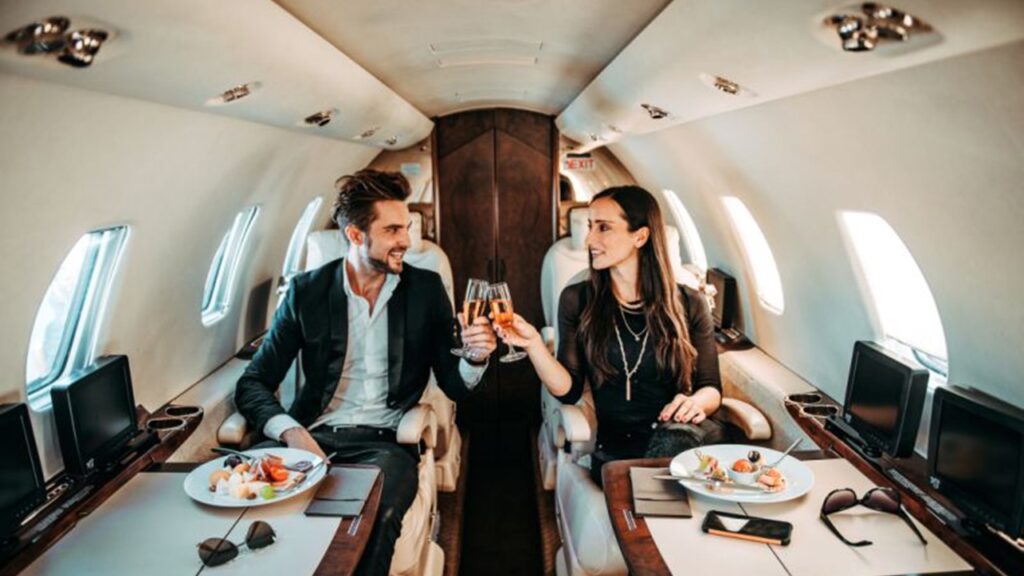
But this isn’t because we’ve become more demanding as people. It’s because spending more changes the emotional contract we have with an experience.
The psychology behind the price tag
When we pay a premium, we’re not paying for the product anymore—we’re paying for a promise. Luxury sells more than comfort; it sells certainty. It tells us that if we spend enough, nothing will go wrong. But life, of course, doesn’t operate on perfect terms. So when reality shows up with its tiny, inevitable imperfections, our disappointment feels sharper.

This is where the luxury paradox emerges: the experiences that are supposed to make us feel pampered often leave us feeling restless.
When less becomes more
Interestingly, the opposite happens in everyday situations. At a small café, a slightly delayed coffee doesn’t ruin your day. A modest hotel with warm staff often feels more memorable than a five-star property that checked every box but didn’t feel personal.
When expectations are lower, joy has more room to show up. We appreciate things as they are, instead of mentally comparing them to what they “should have been.”
A shift in what luxury means today
Across big Indian cities, you can sense that people are quietly redefining opulence. It’s becoming less about marble bathrooms and starched linens, and more about:
- having a slow morning without rushing
- choosing a homestay run by a local family
- taking a long walk instead of booking an expensive wellness retreat
- eating a simple, well-made dish instead of a 12-course tasting menu
Luxury is moving from the external to the internal—from things we buy to the way we feel.
The real wealth is in not needing perfection
It’s a reminder that happiness doesn’t scale with price. Sometimes, the pressure to “get your money’s worth” quietly steals the joy you were trying to buy.
Maybe the real luxury is freedom from expectation—the ability to enjoy something without mentally calculating its value. The moment an experience stops needing to be perfect, it suddenly becomes easier to love.