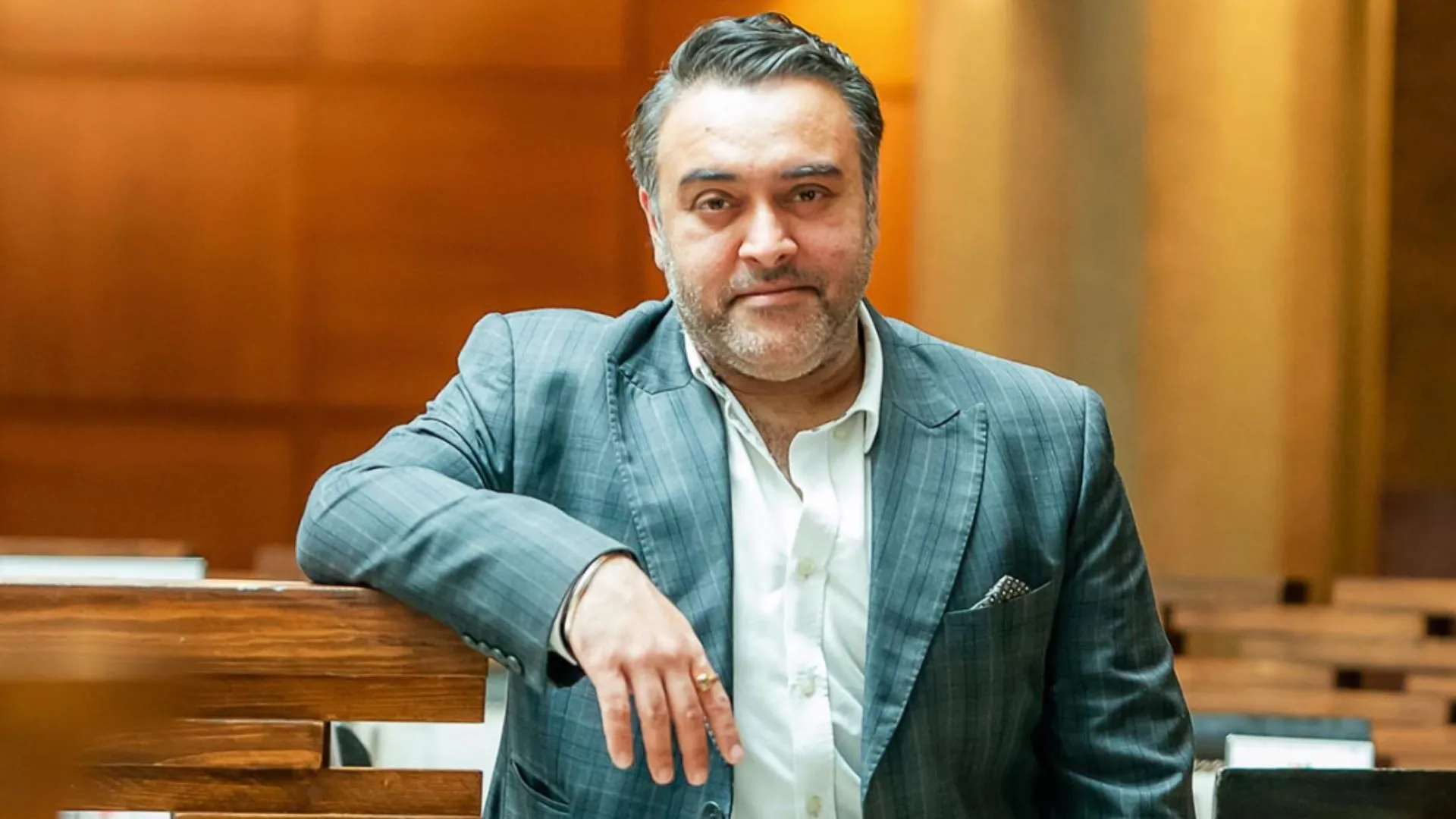
Zorawar Kalra is the Founder and Managing Director of Massive Restaurants, one of India’s most influential hospitality companies. Widely regarded as a visionary restaurateur, he has built iconic brands such as Masala Library, Farzi Café, Pa Pa Ya, Made in Punjab, Bo-Tai, Swan, and more. Known for reshaping modern Indian dining through bold concepts and global ambition, Zorawar has consistently stayed ahead of consumer trends. Son of legendary gastronome Jiggs Kalra, he carries forward a powerful culinary legacy while creating one of the most dynamic restaurant portfolios in the region. He remains a defining voice in hospitality today.
1. What are some innovative concepts you are planning to launch at Massive Restaurants?
At Massive Restaurants, we’ve always believed in pioneering concepts rather than following trends. The next phase is about building immersive, culture-led experiences where food, design, music and storytelling come together. We’re exploring sharper members-club formats, elevated casual dining brands, and concepts rooted in regional Indian cuisines presented in globally relevant ways. We’re also looking at premium quick-service formats and stronger international expansion. For me, innovation is not about being flashy—it’s about understanding how people want to dine tomorrow and building it today. The goal is simple: keep surprising the consumer while staying commercially smart.
2. How do you plan to take forward the legacy of your father through food?
My father, Jiggs Kalra, dedicated his life to giving Indian cuisine the respect it deserved. He documented recipes, celebrated culinary history, and showed the world how rich our food culture truly is. Carrying that legacy forward means continuing to champion Indian cuisine with pride—but in a language today’s consumer understands. Through my restaurants, I want to preserve authenticity while embracing evolution. India’s food story is too vast to be boxed into nostalgia alone. My responsibility is to honour where we come from, while helping shape where Indian cuisine goes next. That would make him proud.
3. What are three leading trends in the food industry right now?
First, experience-led dining—people want restaurants that create emotion, memory, and occasion, not just serve meals. Second, authenticity with edge. Guests want genuine flavours and real stories, but delivered in contemporary ways. Third, premiumisation. Consumers today are eating out less casually but spending more intentionally when they do. I’d also add convenience-led luxury—great food delivered beautifully is no longer optional. Across the board, diners are smarter, more travelled, and more demanding than ever before. That’s a good thing—it pushes the industry to evolve faster and raise standards consistently.
4. Gen-Z is consuming less alcohol than ever. Is that concerning for Indian restauranteurs?
Not at all. It’s simply a shift in behaviour, and smart restauranteurs adapt. Gen-Z may drink less alcohol, but they value experiences, atmosphere, quality ingredients, and social connection. That opens up exciting opportunities—zero-proof cocktails, wellness beverages, better coffee programs, daytime concepts, and community-driven spaces. Hospitality cannot depend on one revenue stream forever. Every generation rewrites the rules of leisure. If operators listen carefully, there is always opportunity inside change. The restaurants that succeed tomorrow will be the ones built around lifestyle, not just liquor sales.
4. Masala Library has been a key tasting menu destination in India. How do you plan to continue innovating at Masala Library?
Masala Library was never created to be fashionable—it was created to change perceptions of Indian cuisine. That mission remains the same. Innovation there must always begin with flavour and end with emotion. We continue exploring forgotten regional ingredients, heirloom recipes, modern techniques, and seasonal storytelling menus. I also believe collaboration is the future—bringing in chefs, artisans, and fresh perspectives keeps the brand alive. Masala Library introduced India to a new culinary vocabulary years ago, and now the challenge is to keep evolving that language without losing the soul of Indian food.
6. What inspires you to be in the food industry?
Food is one of the few industries where business meets emotion every single day. You create jobs, build culture, entertain people, and become part of their life moments—birthdays, dates, deals, reunions, celebrations. That’s powerful. I’m also inspired by how dynamic this space is. Trends change, tastes evolve, cities move, generations think differently. You have to keep learning. Hospitality rewards creativity, resilience, and instinct in equal measure. I love that challenge. And I love seeing people leave happier than they arrived. That never gets old.
7. If not opening and managing your restaurants, what would you rather be doing?
I’d still be building brands. I’m entrepreneurial by nature, so it would probably be in travel, entertainment, consumer lifestyle, or media. I’m fascinated by culture—what people aspire to, how they spend time, where communities form. Restaurants happen to combine all of that in one business, which is why I love them. But if not hospitality, I’d likely be creating something that shapes consumer behaviour and experiences at scale. I enjoy the thrill of turning an idea into something people genuinely connect with.
8. Out of all the restaurants you run, if you had no other choice but to pick a favourite – what would it be?
That’s an unfair question because every brand reflects a different chapter of my journey. But if I absolutely had to choose one, it would be Masala Library. It was bold, risky, and ahead of its time. It challenged what people thought Indian cuisine could be and became a benchmark for progressive Indian dining. It proved that Indian food could sit confidently on the global fine-dining table without imitation. More than a restaurant, it was a statement—and those kinds of moments stay with you forever.