
Walk into any pharmacy, scroll through wellness Instagram, or browse the supplement aisle, and you’ll notice one ingredient dominating the conversation: magnesium.
Once considered a niche mineral, magnesium has become one of the fastest-growing supplements in the wellness industry, with brands positioning it as the answer to everything from better sleep and stress management to muscle recovery and hormonal balance. But as consumer demand continues to rise, experts say it’s worth separating science from social media.
According to Shivam Hingorani, Founder of Ace Blend, the surge isn’t simply a passing trend.
“We’ve seen a significant rise in consumer demand over the past few years. Magnesium has moved from being a niche mineral to becoming a core part of many people’s wellness routines. Consumers today are far more informed, they’re asking about absorption, bioavailability and different forms of magnesium rather than simply buying a supplement because it’s popular,” he says.
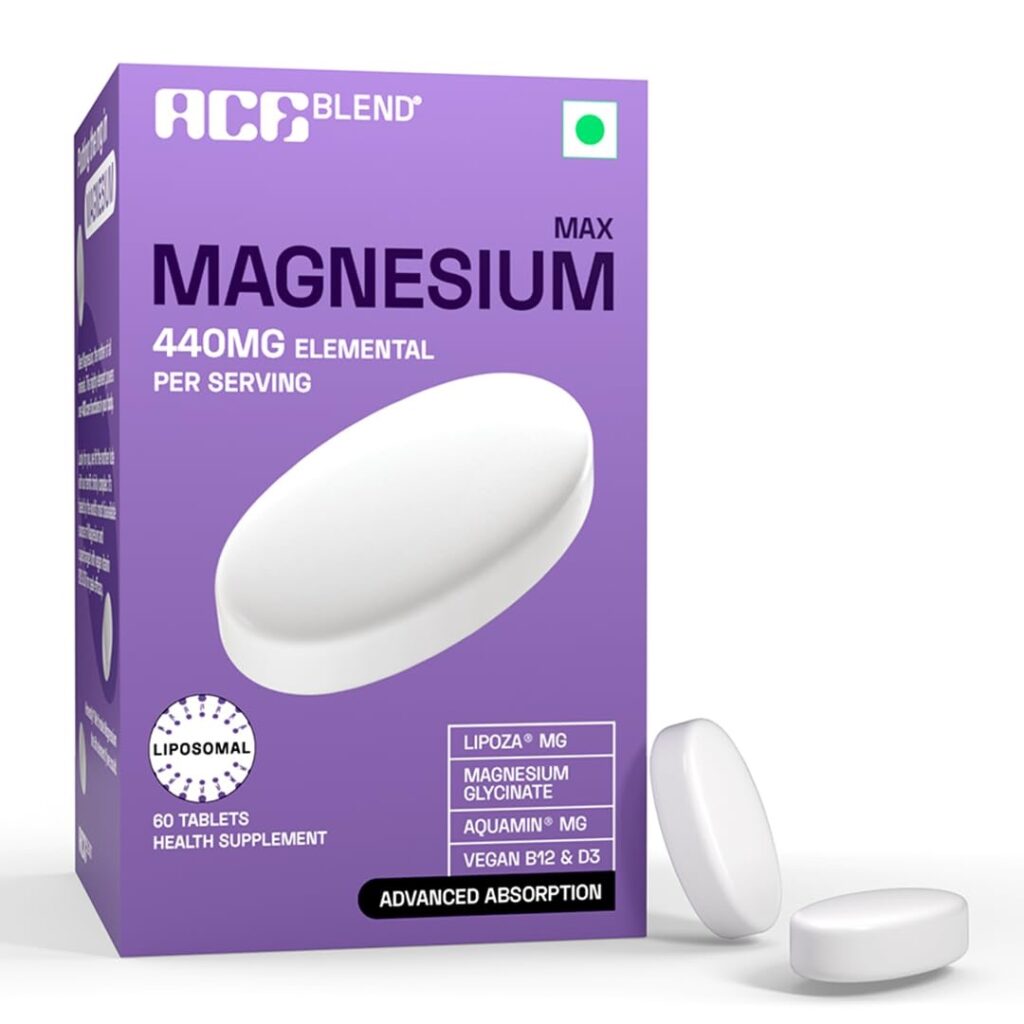
He attributes the shift to increasing awareness around nutritional deficiencies, rising conversations about sleep and stress, and a broader move towards preventive healthcare.
Medical experts agree that magnesium deserves attention, but with some caveats.
Dr Manish Shetty, Consultant – Physician and Diabetologist, S.L. Raheja Hospital, Mumbai – A Fortis Associate, says magnesium’s growing popularity is understandable, but much of its appeal today is being driven by the broader wellness movement.
“Magnesium is essential for muscle and nerve function, maintaining a normal heart rhythm, energy metabolism and bone health. While supplementation is beneficial for people with diagnosed deficiencies or specific medical conditions, it is not meant to treat general tiredness, stress or sleep disorders. Most healthy individuals can meet their magnesium requirements through a balanced diet,” he says.
Dr Vinaya Bhandari, Consultant Neurology & Neuromuscular Specialist at Jaslok Hospital & Research Centre, believes magnesium’s popularity is backed by genuine science, although its benefits are often overstated online.
“Magnesium is an essential mineral involved in nerve function, muscle health, energy production and hundreds of biochemical processes in the body. However, social media has sometimes taken the science further than the evidence does. It’s an important nutrient, but it’s not a one-size-fits-all solution,” she explains.
Why magnesium matters
Magnesium plays a vital role in over 300 enzymatic reactions in the body, supporting muscle contraction, nerve signalling, blood sugar regulation, bone health and energy production.
One reason it’s become a wellness favourite is its association with better sleep.
Hingorani explains that magnesium helps the body produce melatonin and supports the activity of GABA, a neurotransmitter involved in relaxation and sleep regulation.
“Rather than forcing the body to sleep, magnesium supports the body’s natural sleep mechanisms,” he says.
While there is promising research around magnesium’s role in sleep, stress and migraine prevention, doctors caution that the evidence isn’t equally strong for every health claim.
“We have good evidence for correcting magnesium deficiency and reasonable evidence for conditions such as migraine prevention. But claims around improving sleep, reducing anxiety or boosting energy vary from person to person and shouldn’t be viewed as guaranteed outcomes,” says Dr Bhandari.

Do you actually need a supplement?
The bigger question isn’t whether magnesium is important, it unquestionably is but whether everyone needs to supplement.
According to Dr Diksha Goyal, Consultant, Internal Medicine, Marengo Asia Hospitals, most healthy individuals who consume a balanced diet obtain adequate magnesium through food.
“Leafy green vegetables, nuts, seeds, legumes and whole grains remain the best sources of magnesium. Supplements should be considered when there’s a genuine deficiency or an increased medical need, not simply because they’re trending,” she says.
Dr Shetty echoes this view, emphasising that supplementation should be need-based rather than trend-driven.
“The first step is determining whether you actually need magnesium supplementation, ideally after consulting a healthcare professional. For most healthy people, dietary intake is sufficient,” he says.
Magnesium deficiency can be difficult to identify because its symptoms are often non-specific. Fatigue, muscle cramps, weakness, twitching, numbness and tingling may all be signs, although these symptoms can also indicate several other medical conditions.
According to Dr Shetty, symptoms such as muscle spasms, fatigue, weakness, tremors, poor appetite and numbness may indicate magnesium deficiency, although they can also be linked to several other medical conditions and should always be medically evaluated.
He adds that older adults, people with uncontrolled diabetes, gastrointestinal disorders such as Crohn’s disease or coeliac disease, long-term users of proton pump inhibitors or diuretics, individuals with chronic kidney disease, and those with chronic alcohol use are among the groups most likely to require assessment for magnesium deficiency.

Certain groups are more susceptible to deficiency, including older adults, individuals with Crohn’s disease or coeliac disease, people with poorly controlled diabetes, those taking long-term proton pump inhibitors or diuretics, and individuals with chronic alcohol use. Some patients experiencing recurrent migraines may also benefit from magnesium supplementation under medical guidance.
Not all magnesium is created equal
One of the biggest misconceptions, experts say, is assuming every magnesium supplement works the same way.
“Different forms serve different purposes,” explains Dr Bhandari. “Magnesium glycinate is generally well tolerated and commonly recommended, magnesium citrate is more easily absorbed but may cause diarrhoea in some people, while magnesium oxide is inexpensive but has relatively poor absorption.”
Hingorani echoes the importance of looking beyond marketing claims.
“Consumers should pay attention to the form of magnesium and the amount of elemental magnesium rather than simply reading the front of the label,” he says.
More isn’t always better
As magnesium continues to trend across social media, doctors warn against self-prescribing high doses.
Excessive supplementation can lead to nausea, abdominal cramps and diarrhoea, while people with kidney disease need to be particularly cautious, as their bodies may struggle to eliminate excess magnesium. The mineral can also interfere with the absorption of certain medications, including some antibiotics and thyroid medicines.
Dr Shetty cautions that excessive magnesium intake may also lead to more serious complications, including disturbances in heart rhythm and nervous system function, particularly in individuals with kidney disease who may be unable to eliminate excess magnesium effectively.
“Supplements should fill a genuine nutritional gap, not replace healthy eating,” says Dr Goyal.
The bottom line
The wellness industry’s fascination with magnesium reflects a larger shift towards preventive health and better lifestyle habits. Yet experts agree that while magnesium is undeniably essential, it is not a miracle cure.
For most people, a nutrient-rich diet remains the best source of magnesium. Supplementation should be guided by an individual’s health status, medical history and professional advice and not by social media trends alone.
As Dr Bhandari puts it, “Magnesium is an important nutrient, not a magic bullet. The best outcomes come when we use it for the right patient, at the right dose and for the right reason, not because it’s trending.”