Lately, the internet has started to feel like a room where everyone is talking and nobody is saying anything. Our feeds are crowded with AI-generated photographs, recycled opinions, identical captions and videos made to hold our attention for a few seconds before the next one arrives. Even music, which once found us through friends, radio stations and accidental downloads, now reaches us through an algorithm that already knows what we will probably like. We have access to more culture than ever, yet much of it leaves us feeling strangely unmoved.
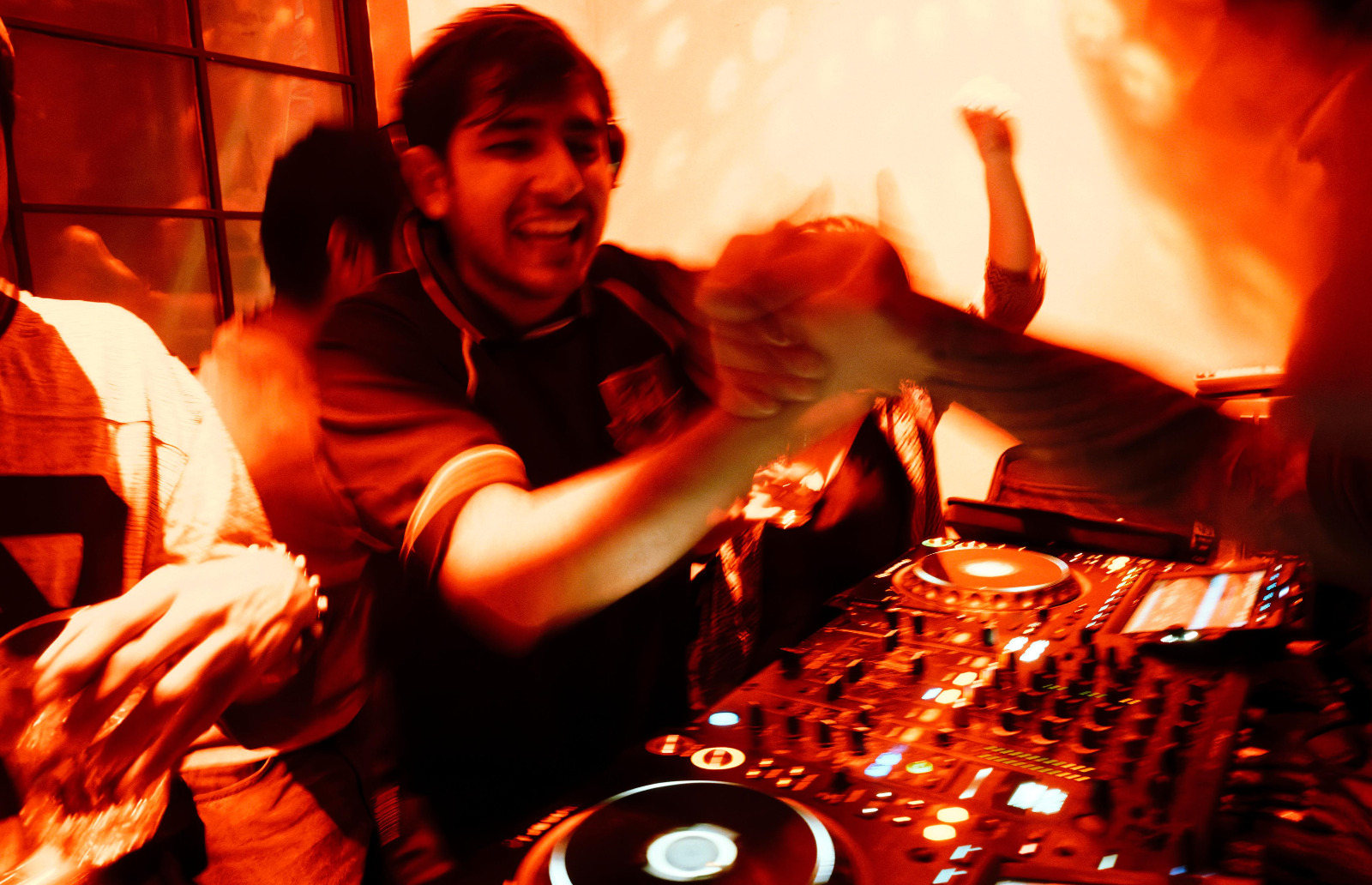
Perhaps that is why so many of us are beginning to crave experiences that cannot be generated, personalised or replayed later. Hearing a familiar song in a packed room. Catching your friend’s eye when the chorus begins. Dancing without wondering how the night will look on Instagram. At Millennials Only, full-time DJ Adi Chaudhri is trying to create exactly that. It is a few hours away from AI slop and digital fatigue, where the music is familiar, the room feels alive and the night becomes more interesting than the phone in your hand.
A dance floor for the burnout generation
Millennials Only came from Chaudhri noticing that people his age were not simply searching for another place to go out. They were looking for a break from the particular exhaustion of adulthood. “Literally all of us are overworked and anxious and on the verge of burnout,” he says. “We’re eager to figure our lives out now that we have been thrown into the deep end of adulthood. Millennials Only is like comfort food, but in the form of a party.”
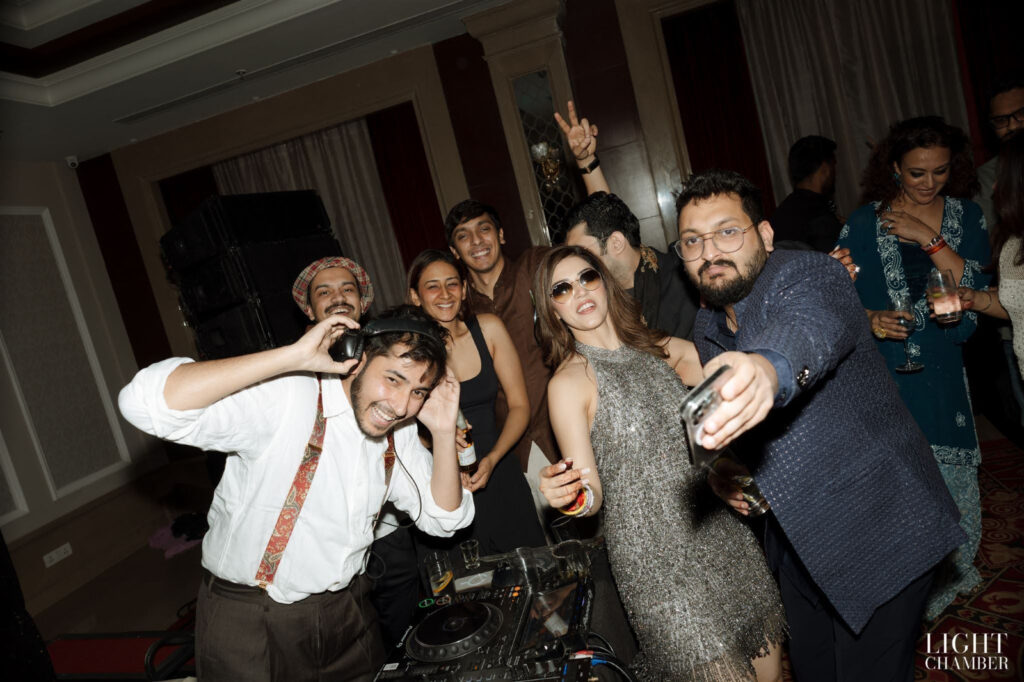
The music comes from a period when many millennials were first deciding who they wanted to be. There is emo rock, glossy pop, early EDM and songs tied to school buses, college festivals, iPods and badly labelled MP3 files. These tracks are not played as an ironic revival. They belong to the people in the room. “They’re connecting with a more carefree version of themselves,” Chaudhri says. With wars, uncertain jobs and the AI boom unfolding around them, a familiar song can offer relief. “Momentary respite is really all that I can offer.”
Of course, playing old songs is easy. Anyone can make a playlist called “2000s bangers” and let it run. Chaudhri is more interested in recreating the feeling attached to those songs. He wears retro jerseys and brings nostalgic references into the production whenever the venue allows it. He also makes sure the party does not feel overly sexualised, pays attention to the gender ratio, works with venues he trusts and encourages people to attend in groups. The idea is to make the room feel like one large school or college party, only everyone is older now and probably has something due on Monday.
From behind the console, Chaudhri has also noticed how phones have changed the way people experience nightlife. He appreciates his younger audience and the effort they put into dressing up, but says they often feel the need to place everything on Instagram Stories. The content may help market a party, but it does not necessarily mean that people had a memorable night. “If they have an actual good time, they’ll come back again and again,” he says. Millennials Only is not a phone-free party. It simply gives people enough reason to stop looking at one.
Playing for the room
Chaudhri never plans his sets in advance. “I feed off the room’s reactions,” he says. “The only goal is to chase peaks and tire the room out.” Before he became a DJ, he was a superfan who downloaded tracks, followed releases and went to clubs alone just to watch DJs play. What he learnt during those years was momentum. A good DJ knows how to build energy, when to break it and when to play the song that brings everybody back together.
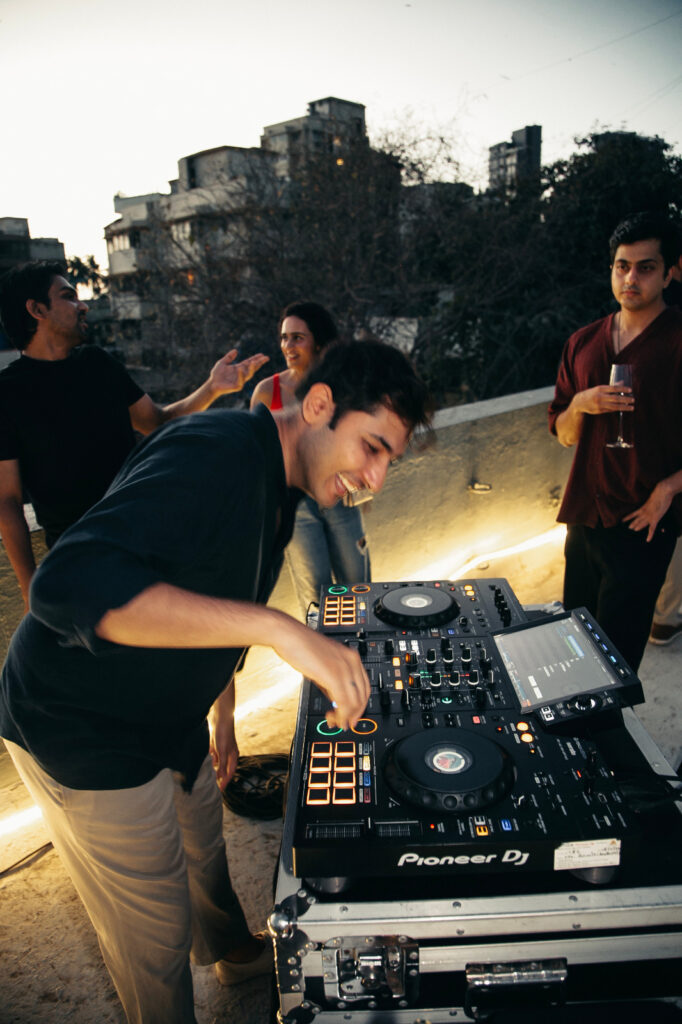
That human instinct feels especially valuable at a time when algorithms are constantly predicting our next song. A playlist can study what you have heard before, but it cannot see when a room is becoming restless. It cannot hear a group scream at an opening note or notice people beginning to leave the dance floor. Chaudhri watches those small reactions and changes direction in real time. The surprise does not come from discovering an obscure track. Sometimes it comes from hearing a song you know by heart at exactly the right moment.
The room is carefully built too. Chaudhri still runs Millennials Only through a guest-list model, looking at new attendees while balancing them with people who regularly return. Most of its growth has come through friends telling friends. At the Jaipur edition, somebody attended through a recommendation from someone in Mumbai. Chaudhri remembers being amazed by it. “People put their trust in me for a good time,” he says. “I’ve got to deliver.”
That trust is also why he remains cautious about brand partnerships. He has considered integrations, but does not want Millennials Only to become “a massive advert” or allow a company to treat its audience as a way to make quick money. Any collaboration would have to respect the space people return to. In a nightlife culture where nearly every surface can become branded, protecting a party from becoming content of another kind feels almost radical.
A party people kept coming back to
Chaudhri started Millennials Only “for kicks”. A year later, people began messaging him whenever there was a long gap between editions, asking what had happened and when the party would return. That was when he realised it had become valuable to listeners in their mid-twenties to early forties. “I contributed to this city something that its people want,” he says. “That gives me confidence and also makes me feel loved.”
He can now imagine Millennials Only travelling to more cities, moving into larger venues and eventually creating a complete experience without having to work around the limitations of existing clubs. But its growth is not only about how many people can fit into a room. It is about preserving the feeling that brought them there in the first place.
AI slop has not only filled our screens with bad or repetitive content. It has also made us question whether anything we encounter online is genuine. Photographs can be generated, voices can be copied and songs can be designed to sound like artists who never made them. Even our leisure time is shaped by recommendations predicting what we will watch, hear or buy next. After spending the day scrolling through material selected by machines, being in a room responding to another person begins to feel different.
That is what Millennials Only offers at its best. Chaudhri does not know exactly what he will play. The crowd does not know what is coming next. A song begins, somebody recognises it and the feeling spreads across the dance floor. Nothing about that reaction has been generated or personalised. Everyone hears the same song, but each person brings a different memory to it.
The party is not asking people to abandon their phones or reject technology altogether. It simply reminds them of what a screen cannot reproduce. An Instagram Story can show that the room was full, but it cannot capture the second everyone recognised the opening notes. A playlist can recommend a song you already love, but it cannot feel the mood of a crowd and decide that this is the precise moment to play it.
Chaudhri wants his dance floor to feel like “a cocktail of euphoria and nostalgia and all-round positivity”. In another era, that might have sounded like a straightforward promise for a good night out. Today, it feels almost like an escape route. When the internet is crowded with content that feels synthetic, repetitive and impossible to trust, perhaps the experiences we crave most are the ones that cannot be generated at all.