There is a moment in every serious kitchen when the conversation moves beyond recipes and into philosophy. It is in the way a flame is tended, how heat is read, and increasingly, how it is replaced. As restaurants grapple with rising energy costs, evolving technologies, and the pressure to scale sustainably, the question is no longer romantic—it is operational. Does fire still belong at the centre of the modern kitchen, or is induction quietly taking its place?
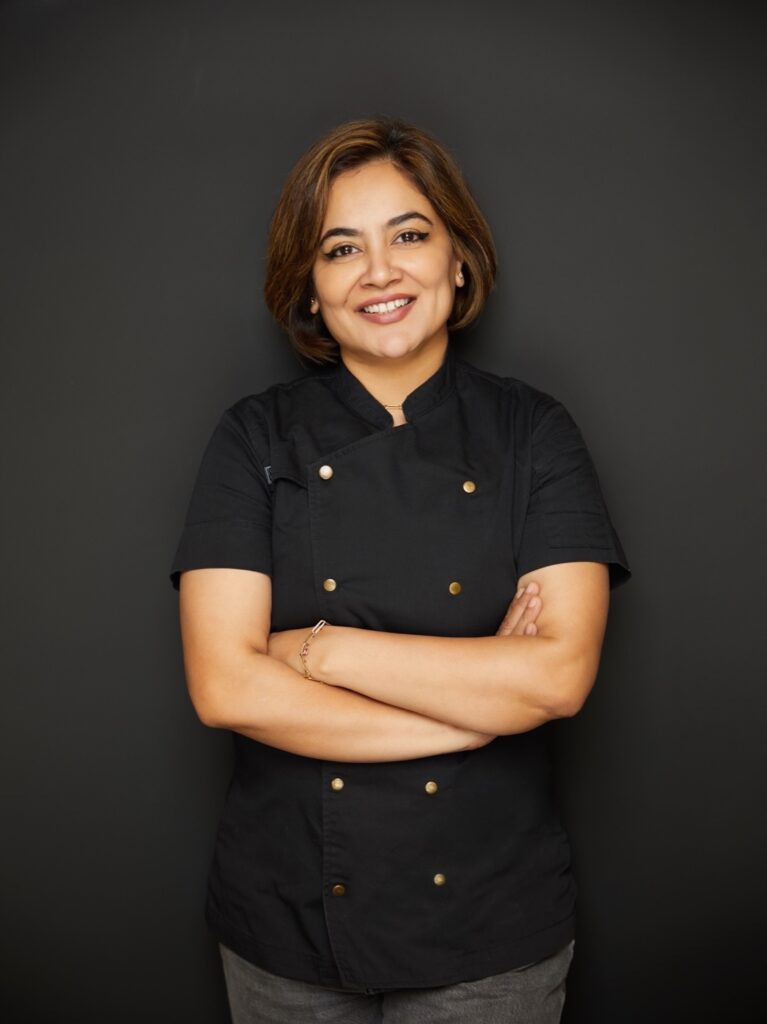
For Amninder Sandhu – Founder of Kikli, Bawri & Barbet & Pals, the answer lies in what fire fundamentally represents. Wood-fired cooking, she says, is not just a method but an elemental interaction. “Live fire is not just heat, it carries smoke, moisture, aroma and an ever-changing intensity.” It creates layers of flavour and texture—blistering, charring, caramelisation—that controlled systems struggle to replicate. More than that, it demands instinct. Cooking becomes less mechanical and more responsive, where a chef reads the fire as much as the ingredient.
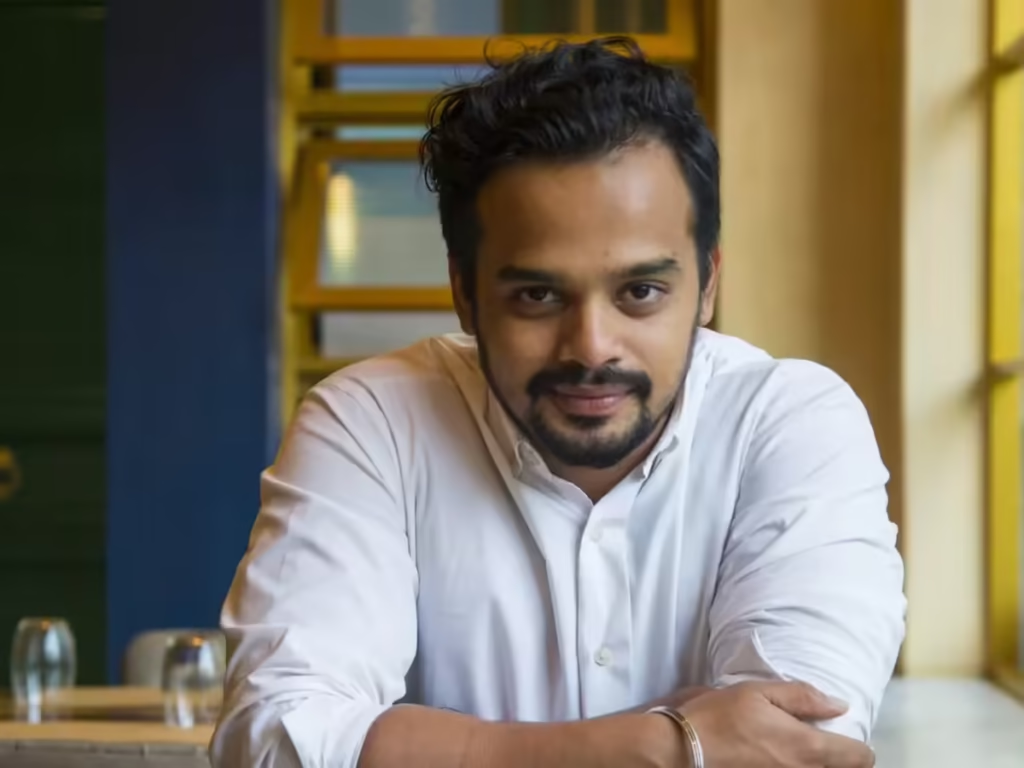
That instinct, however, sits within an industry increasingly driven by efficiency. Pankaj Gupta – Founder of Taftoon acknowledges that rising energy costs and LPG uncertainties have pushed restaurants to reconsider long-standing dependencies. Induction and electric systems are finding space, particularly in prep-heavy sections where consistency matters. But in restaurants like Taftoon, he explains, fire is not just fuel—it is technique and cultural memory. The shift, then, is not absolute. It is a careful negotiation between operational pragmatism and culinary identity, where hybrid kitchens are becoming less of an innovation and more of a necessity.
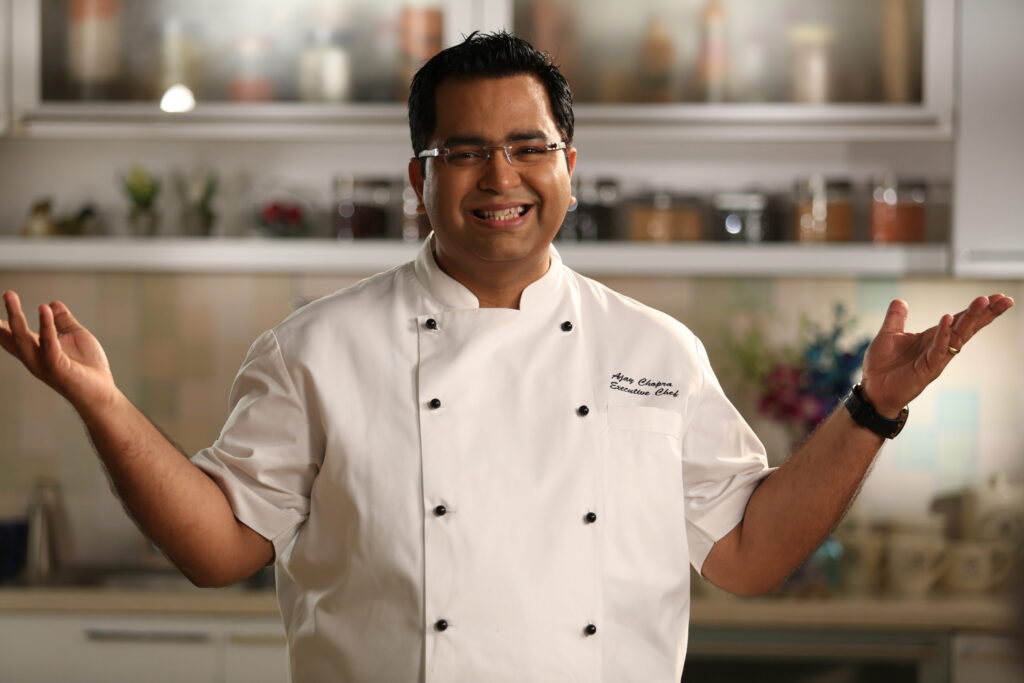
This idea of balance is echoed across the industry. Ajay Chopra from Paashh frames wood-fired cooking as something that brings “character” to food—an earthy smokiness, a depth that comes from time and interaction rather than control. Yet he is pragmatic about its place in modern service. Fire does not slow kitchens down, he argues, if it is planned for. The success of wood-fired concepts across India suggests that when integrated into the rhythm of operations, the model is not only viable but enduring. What is emerging instead is a “modern rustic” approach—one that retains authenticity while adapting to contemporary demands.

In practice, that adaptation often looks like coexistence. Chef Ashwin Singh – Creative Culinary Director at Aspect Hospitality, describes wood fire as almost another ingredient—one that adds smokiness, bitterness, and depth through its unpredictability. It is precisely this unpredictability, he suggests, that gives food its personality. But it also requires time, preparation, and an understanding of heat that cannot be switched on at will. In the restaurant he is currently building, fire is positioned not as a supporting tool but as the first voice in the kitchen—shaping flavour from the outset. Yet even here, the role of technology is not dismissed. Induction and electric systems, he notes, bring efficiency and control where needed. The future, clearly, is layered.

That layering is perhaps best articulated by Beena Noronha, who captures the emotional undercurrent of the debate. “Wood fire will always hold a certain romance in the kitchen,” she says, pointing to the instinct and primal connection it brings to cooking. But romance alone cannot sustain a restaurant. Induction offers precision, consistency, and a level of operational ease that modern kitchens increasingly rely on. The question, then, is not which one wins. It is how both can coexist. Fire for character, induction for control.
What emerges from these perspectives is not a binary shift but a quiet recalibration. Kitchens are not abandoning fire; they are redefining its role. In an industry where margins are tight and expectations are high, the future may not belong to those who choose between tradition and technology, but to those who understand how to orchestrate both.