India’s beauty industry is undergoing a meaningful shift. For years, skincare and beauty were driven largely by global trends, aspirational marketing, and quick-fix promises. Today, a new generation of women founders is challenging that model by building brands rooted in science, transparency, and a deeper understanding of real skin concerns.
From dermatology-led clinics to research-driven skincare brands and personalised beauty labs, women entrepreneurs are moving the conversation beyond surface-level aesthetics. Instead of selling perfection, they are focusing on credibility, education, and formulations that deliver long-term results. The result is a beauty ecosystem that prioritises integrity as much as innovation.
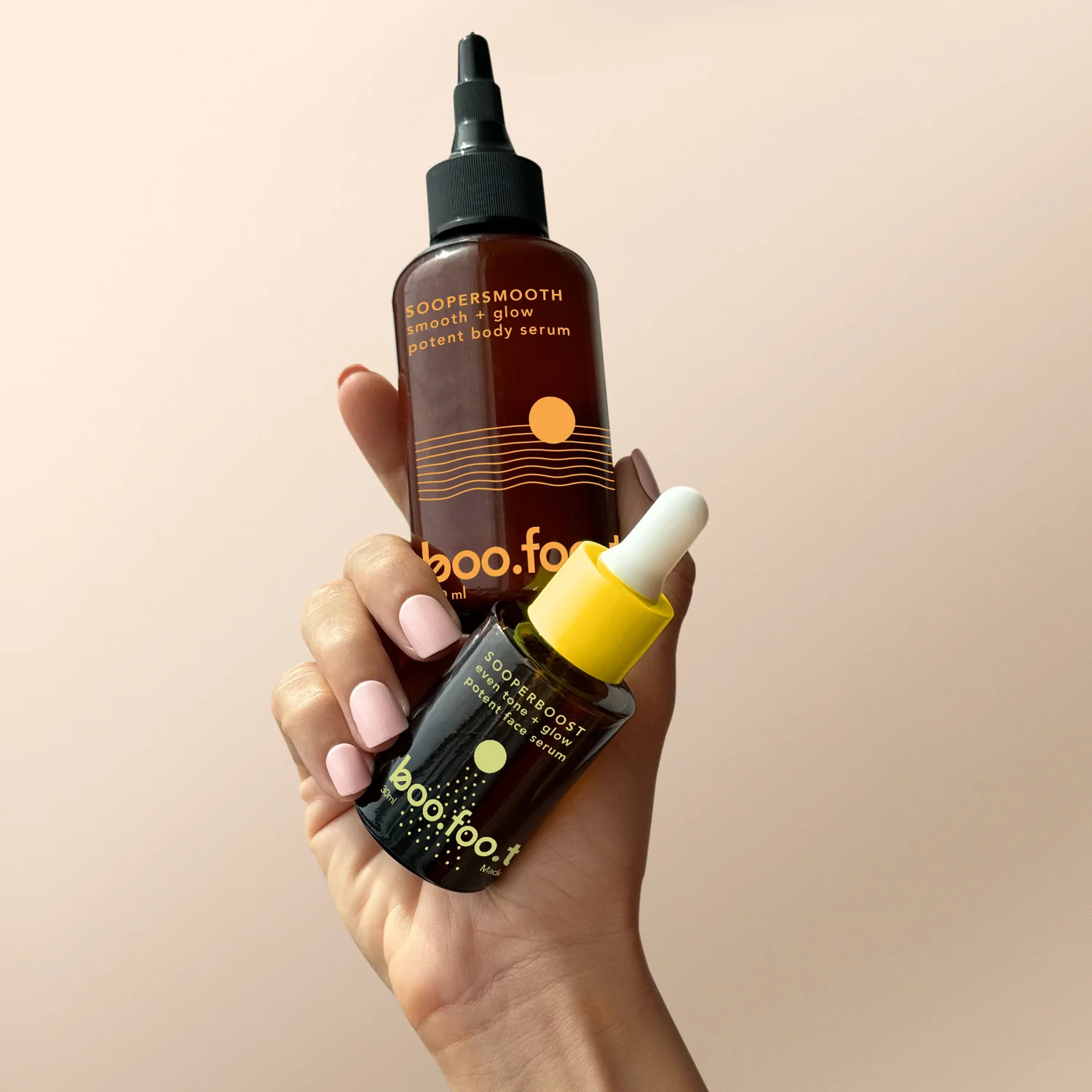
One of the most significant changes is the growing recognition that Indian consumers require solutions designed specifically for their skin biology, environment, and lifestyle. Delara Lalwani, Founder of Boofootel, points out that Indian skin has long been overlooked in global formulations.
“Indian skin behaves differently, we tan easily, and pigmentation concerns are extremely common. Yet very few brands were openly saying they were formulating specifically for Indian skin,” she explains. Her brand was built to address these realities through targeted formulas designed for Indian skin behaviour and climate.

Similarly, Divya Malpani Maheshwari, Founder and CEO of Skinvest, observed that Indian consumers were often left choosing between international brands that weren’t designed for local conditions and domestic options that compromised on quality.
“Skincare often felt overcomplicated and performative,” she says. “We wanted to build science-backed products specifically for Indian skin, weather, and lifestyles so people could see real, long-term results without needing complicated routines.”

This push toward performance-led beauty is not limited to skincare. In haircare too, founders are questioning long-standing gaps between marketing promises and actual results. Megha Abrol Arora – Founder of 3TENX Professional notes that for years the Indian haircare market was split between expensive global brands and mass-market products that rarely delivered on their claims.
“The biggest gap we saw was between promise and performance,” Arora explains. “We built 3TENX to create professional, science-led haircare that delivers visible results from the first wash especially for common concerns like frizz, lack of smoothness, and absence of real shine.”
For many founders, the real challenge in the beauty industry has been the dominance of marketing narratives over scientific credibility. Swagatika Das, CEO and Co-founder of Nat Habit, believes the industry has historically forced consumers into a compromise.

“Consumers were constantly asked to choose between ‘natural but ineffective’ and ‘high-performance but harsh,’” she explains. “Our goal was to remove that trade-off by combining time-tested Ayurvedic principles with modern scientific validation.”

This shift toward evidence-led beauty is also driving greater transparency. Megha Asher, Co-Founder and COO of Juicy Chemistry, believes the real gap in the market was trust.
“The word ‘natural’ was everywhere, but very little of it was verified,” she says. “Consumers were being asked to trust without proof. We wanted to build a brand where ingredients are traceable, certified, and supported by real formulation integrity.”
Transparency today extends beyond ingredients to research and product development itself. At Skinvest, Maheshwari explains that each formulation undergoes extensive testing before launch.
“If a product cannot stand up to data, testing, and visible results, it doesn’t make it to the shelf,” she says.
Another emerging trend is the move toward personalisation. As consumers become more aware of their individual skin needs, one-size-fits-all beauty solutions are increasingly being questioned. Arshiya Kaur Vijan, Founder of Tint Cosmetics and Tint Labs, believes the future of beauty lies in customisation.

“Beauty should be as personal as possible,” she says. “We’re building spaces where people can create products tailored entirely to them, from shades to finishes to formulations.”
Alongside product innovation, the aesthetics industry is also shifting toward more responsible, science-led practice. Dr. Sonia Tekchandani, Founder and Medical Director of TenderSkin International, believes aesthetic medicine must prioritise medical integrity.
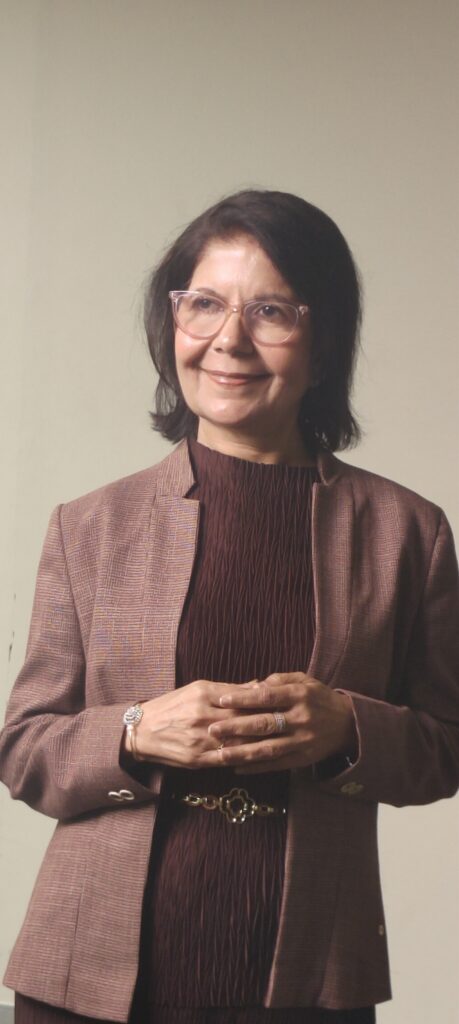
“When I began practising, treatments were often trend-driven rather than diagnosis-led,” she says. “Patients deserve to understand what is being done to their skin and why. Transparency and education are essential.”
Ultimately, the women leading this new wave of beauty entrepreneurship are also redefining what beauty itself means. Lalwani believes it begins with self-acceptance and care rather than transformation.
“It’s about being comfortable in your own skin and nourishing it,” she says.
For Das, beauty should empower rather than create anxiety. And for Vijan, it is about confidence and authenticity rather than hiding behind products.
As these founders continue to build brands rooted in research, honesty, and long-term wellbeing, they are not only shaping successful businesses — they are redefining the direction of the beauty industry itself.