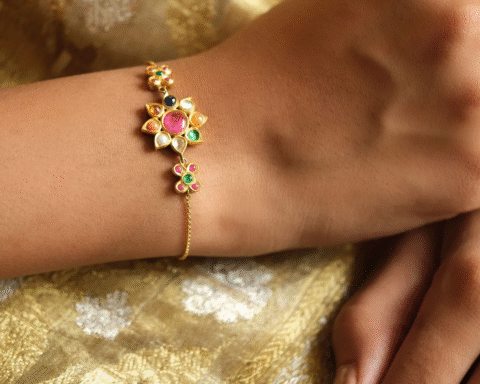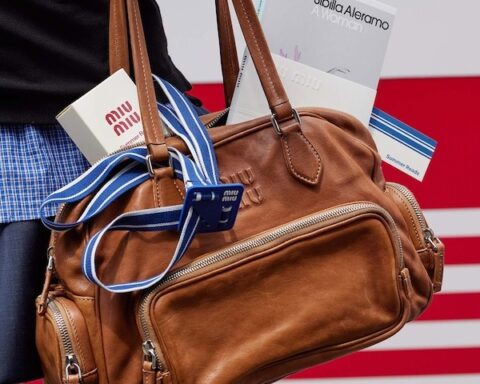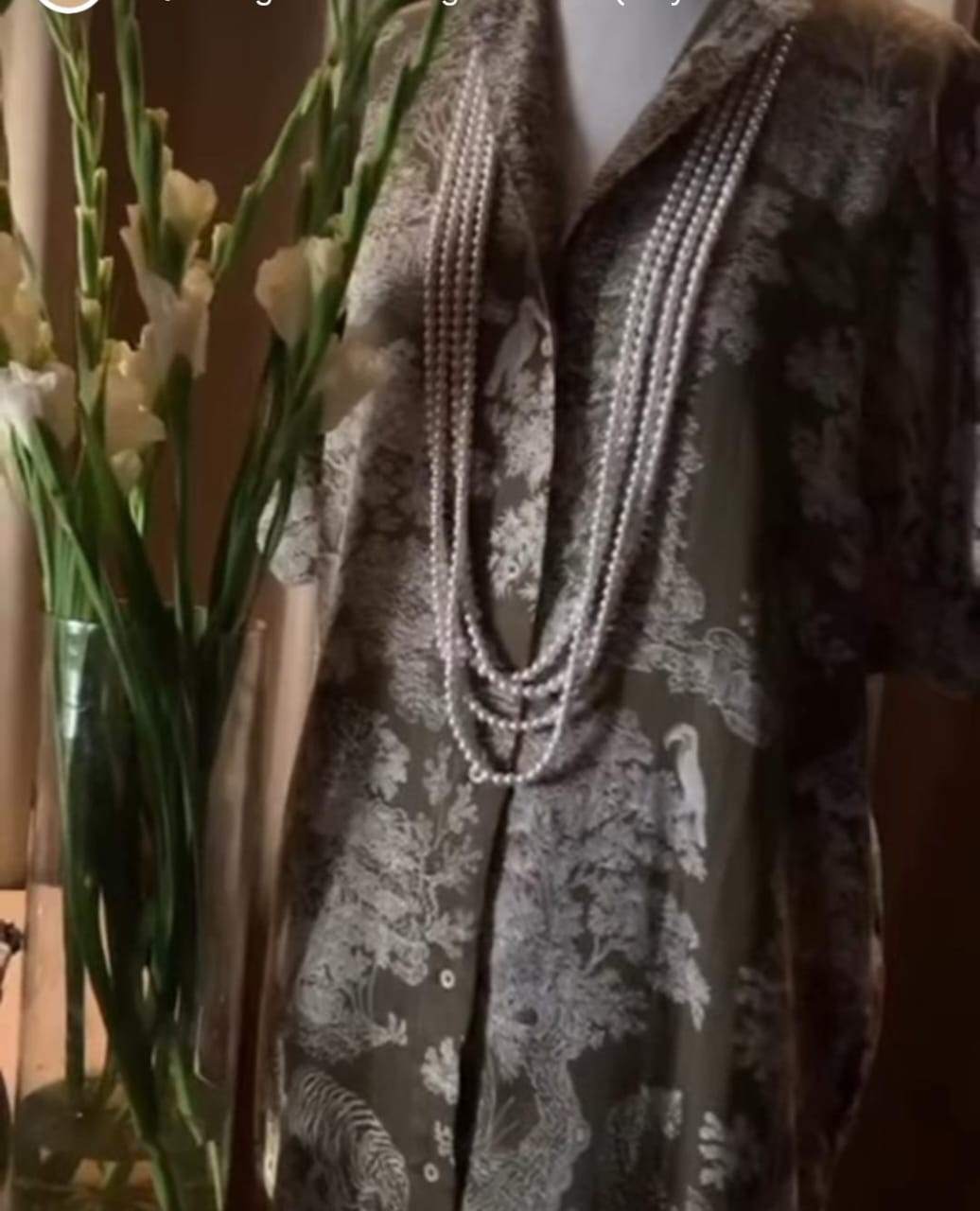
A dramatic change is taking place in our wardrobe as winter sets in, and it’s not just about reaching for that next puffer coat. A host of fashion industry from luxury houses to indie labels, is accepting the sustainability challenge with offerings that combine warmth and style, even amid eco-conscious materials and circular practices. The winter clothes we’re all wearing now must do more than keep us warm: they need to consider our habits, minimise the damage we make on precious water sources and support ethical means of manufacturing along with furthering longevity in fashion.
From upcycled wool and vegan leather to thrifted tees, to slow-fashion sweats before you even know it’s a genre: When it comes to “sustainable winter wardrobe” sartorial updates, much of the magic lies in your consumption mentality.
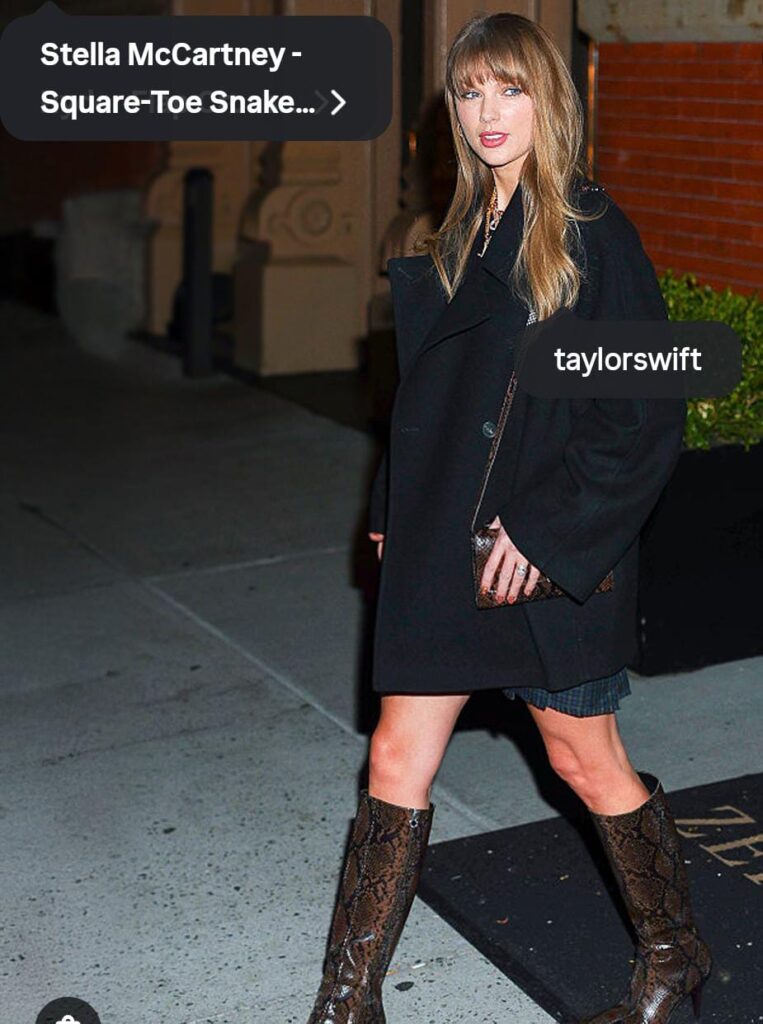
For instance, Indian designers are choosing organic wool, bamboo blends, low-impact dyes and hand-spun Himalayan fabrics as winter-suitable options. Global brands including Stella McCartney and Gucci are leading the way – with circular fashion campaigns, vegan leathers and recycled materials featuring heavily in their winter collections. This feature navigates through the current trends, principle fabrics and stand-out examples from both Indian and overseas heroes in sustainable winter fashion.
Key materials and methods
Recycled wool & cashmere: Though the specific sources and environmental impact of these fibers can be opaque, a growing number of brands are offering sweaters, coats and accessories made from recycled wool, taking pressure off land and animals.
Vegan leather & faux fur: Fabrics made to look and feel like leather or fur — but not derived from animals, nor carrying the heavy environmental cost — are fixtures in sustainable winter outwear.
Regenerated synthetics & low-impact fabrics: For winter layering and insulation, like recycled polyester (r-PET), lyocell blends (Tencel) and other low-impact finishes; are on the rise.
The mode of consumption: Beyond materials, slow fashion, circular & thrifting. Purchasing fewer, better pieces; reselling or renting outerwear; thrifting high-quality winter gear — it all makes a difference.
Indian market: eco-winter style from the locals
Winter in India may not always bring deep snow, but climate-conscious layering alongside cultural richness provides a fertile environment for sustainable fashion. Some Indian designers and brands are re-inventing winter wardrobes by:
- Working in organic wool, bamboo blends and recycled polyester for sweaters and shawls
- Resurrecting heritage fibres like hand-spun Himalayan wool cardigans, which saves landfill and empowers local artisans.
- Platforms like No Nasties (100 % organic cotton and zero waste knits) or curated stores such as Nete, focusing on slow, ethical fashion and seasonal style rather than throw-away looks.
These changes point to how sustainable winter wear in India is not just a buzzword — it links heritage fabrics, local manufacturing, artisan livelihoods, and conscious consumerism.
Brands are going big-time on the luxury front
Stella McCartney’s whole circular, waste-created parka has set a new standard in luxury for outerwear.
Gucci is also pushing further on its sustainability strategy through its “Equilibrium” platform and vegan materials like Demetra, which is part of a broader circular economy push from the company.

Building the cold-weather wardrobe of minimalists who care about what their garments are made from, Scandinavian label Holzweiler use recycled and offset materials to craft its outerwear.
These are worldwide examples of how sustainable winter fashion is satisfying the needs and wants of aesthetics, performance, luxury and ethics.
Conscious consumerism: the way to create your sustainable winter wardrobe

Go for quality over quantity: Opt for a few good, well-made layers (think recycled wool coat or vegan leather jacket) that will last you multiple seasons rather than fast fashion pieces that fall apart.
Pay attention to materials and sourcing: Seek pieces that are marked as recycled wool, r-PET, vegan leather or traceable fibres such as Tencel or ECONYL.
Embrace the circularity: Think about renting outerwear or purchasing pre-loved items, and selling it again when it’s no longer needed. Formulations are now being supported by many brands take-back or recycling programmes.
Buy local and artisan-made: In India, especially, purchasing from slow fashion brands that work with handloom weavers, use organic fabrics and low-impact dyes is both an eco and socio-economic investment.
Layer smartly: Since the Indian winter is usually mild, go for intelligent layering (hand-woven scarves, cardigans, jackets) in eco-friendly materials instead of bulky synthetic puffers.
Also Read:
Style Shift 2025: The Beauty and Fashion Trends We Couldn’t Stop Talking About
The New Royal Canvas: When Couture and Carats Become One
Dress Dopamine For This Diwali: How This Colour Psychology Trend Is Redefining Global and Indian Fashion Trends