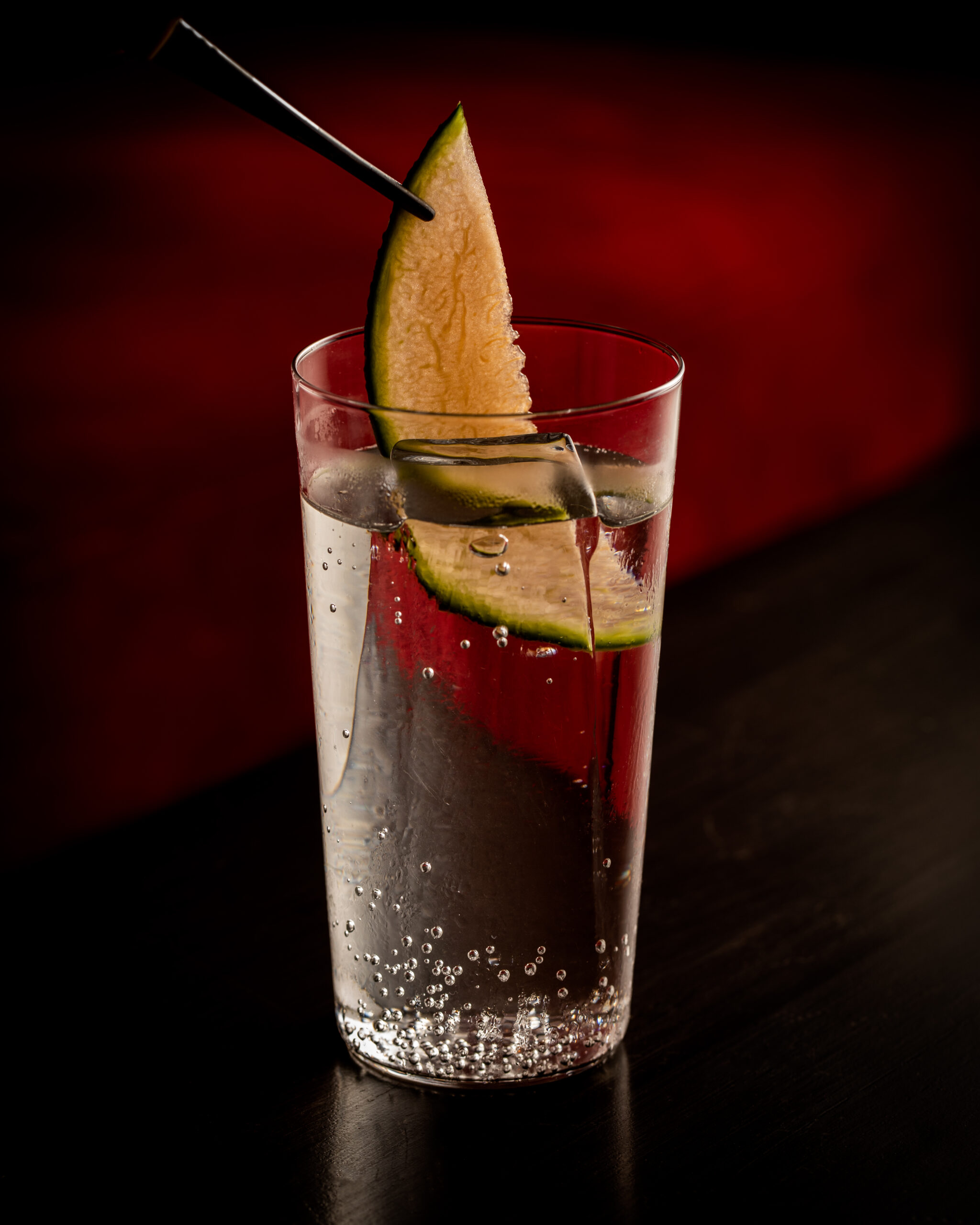
Walk into any modern cocktail bar and you’ll see it instantly: a giant, crystal-clear block of ice gleaming at the bottom of your glass. It’s become a signature of the “premium cocktail experience” — oversized cubes, spheres, diamonds, branded slabs — all signalling craftsmanship and luxury. But with this trend has come an increasingly common complaint from guests: Are we paying more for less drink?
The truth is layered, and the bartenders behind the bar say the conversation is overdue.
For many consumers, big ice seems like the perfect disguise: it fills most of the glass, reduces visible liquid, and makes the cocktail look more substantial than it is. But according to those crafting the drinks, the assumption that block ice saves bars money is not only wrong — it’s the opposite of reality.
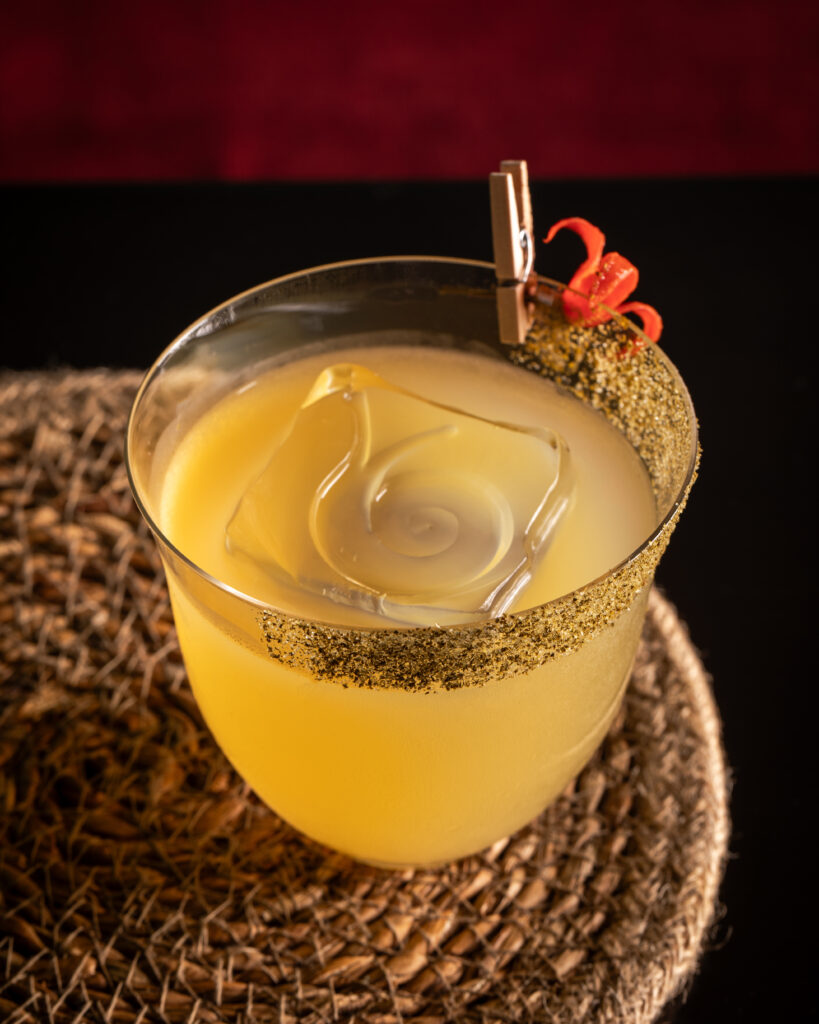
Guruprasad Abani Tripathy, Head Bartender at Slink & Bardot, explains why “Using block ice isn’t just for show, it genuinely costs money. A single clear-ice block can make up 15–20% of a cocktail’s total cost because producing flawless, crystal-clear ice is expensive.”
Block ice requires specialised freezing equipment, temperature-controlled curing, filtered water, and trained staff to carve or shape it. Bullet ice, by comparison, is cheap, mass-produced, and melts rapidly. Yet bars willingly take on the higher cost because of what that ice does to the drink.
Tripathy breaks down the liquid logic. A standard cocktail has 45–60 ml of spirit, and after mixers and natural dilution, it reaches 150–200 ml. Meanwhile, most cocktail glasses are 350–400 ml. Something has to fill that remaining space — and that choice determines whether the drink stays balanced or collapses into a watery pool. “You can pack the glass with cheap bullet ice that melts quickly, floods the drink, and flattens the flavour,” he says. “Or you use block or highball ice — ice that holds temperature longer, slows dilution, and keeps the drink consistent, balanced, and tasting great till the very last sip.”
Fay Barretto, Head Mixologist at Scarlett House, adds a practical perspective on the portion-size debate — one that challenges the assumption that big ice automatically means less drink.
“I think the drink size is the same whether you shake or stir,” she says “Clear ice helps with less dilution and is cured differently — filtered water compared to the ice we usually get. So I don’t think it’s premium, but a more robust experience of drinking a cocktail.” further adds.
Her point is that big ice doesn’t reduce quantity; it protects quality. So is the cocktail actually smaller? Not really. What’s shrinking isn’t the pour — it’s the illusion of volume created by cheap ice and overly diluted drinks.
In the end, the “big ice trend” isn’t a gimmick but a shift in philosophy: from drinks that look full to drinks that taste right. And as mixologists frame it, the block of ice isn’t replacing the cocktail — it’s elevating it.