As 2025 comes to a close, wellness in India has evolved from being aspirational to deeply personal — especially for Gen Z. What began as gym memberships and green smoothies has grown into a broader conversation about mental health, sleep, food choices, digital boundaries, and long-term sustainability. For young Indians, wellness is no longer about extremes; it’s about balance, access, and authenticity.
Here’s a look at the biggest wellness trends of 2025 — and how they are shaping healthier habits in 2026.
Wellness Becomes a Way of Life, Not a Resolution
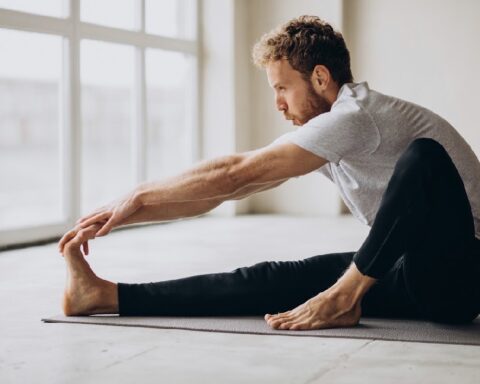
In 2025, Gen Z moved away from short-term fitness goals and embraced wellness as a daily practice. Health routines became integrated into everyday life, supported by fitness apps, wearables, and digital tracking tools. From counting steps to monitoring sleep cycles, technology helped young Indians stay mindful of their bodies without obsessing over perfection.
In 2026, this shift is expected to deepen, with community-driven wellness spaces gaining traction. Online groups, fitness collectives, and shared accountability platforms will likely replace solo routines, making wellness more social and sustainable.
Food Choices Get Practical and Pleasure-Driven
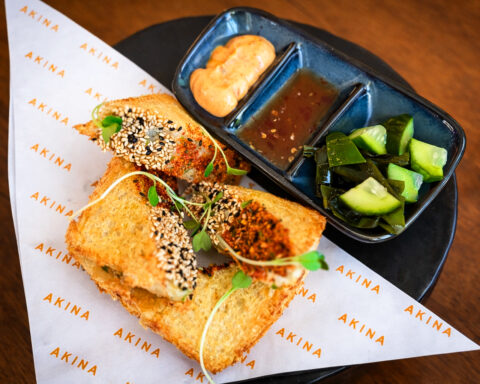
Healthy eating in 2025 shed its elitist image. Gen Z questioned rigid diet rules and embraced flexibility — focusing on nourishment rather than restriction. Protein-rich meals, gut-friendly foods, and immunity-boosting ingredients became part of everyday diets, often inspired by Indian home cooking rather than imported trends.
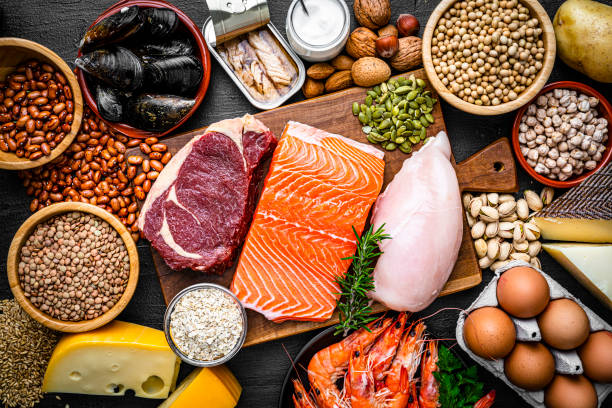
The year also highlighted a growing demand for flavour-forward wellness. Young consumers want food that supports health without sacrificing taste or affordability. In 2026, expect brands and kitchens to respond with accessible, nutritious options that feel indulgent rather than clinical.
Mental Health Conversations Go Mainstream
One of the most defining wellness shifts of 2025 was the normalisation of mental health care. Therapy, mindfulness, and emotional check-ins became widely discussed, particularly among young professionals navigating burnout, job uncertainty, and social pressure.
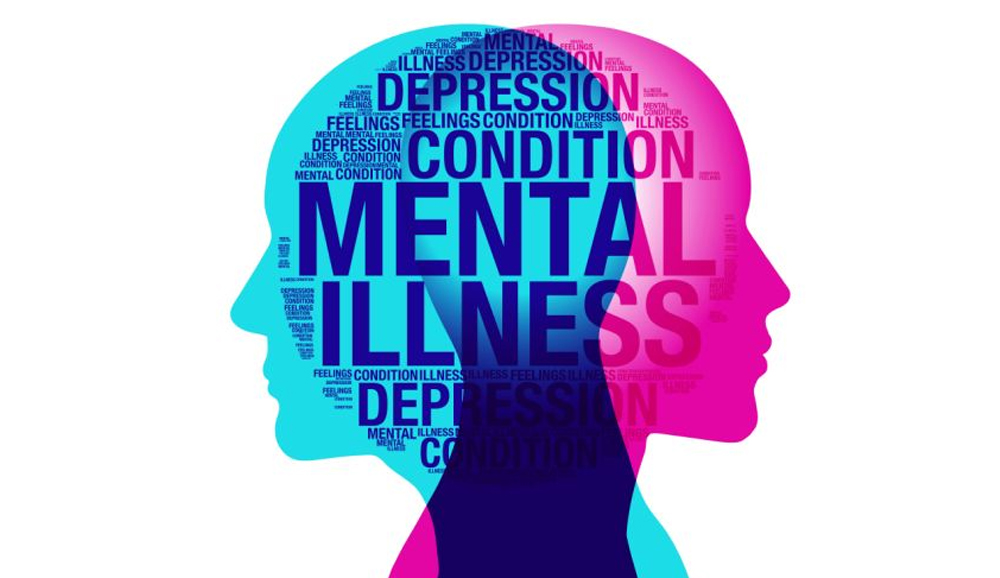
Gen Z has led this change, using digital platforms to openly discuss anxiety, boundaries, and self-worth. As we enter 2026, mental wellness tools are expected to become more culturally attuned, with increased focus on local languages, affordability, and early intervention.
Technology Personalises Wellness
Artificial intelligence played a quiet but powerful role in wellness this year. AI-driven fitness plans, personalised nutrition advice, and smart sleep insights helped individuals tailor health routines to their own lifestyles rather than follow generic templates.
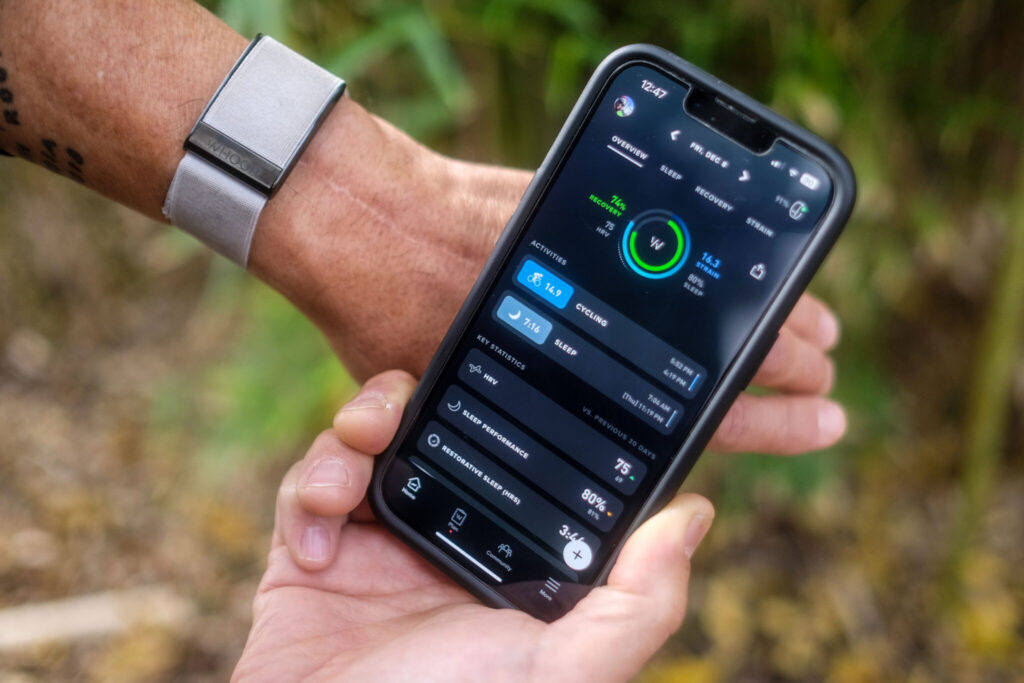
In 2026, this trend is set to grow, with more seamless integration between wearables, health apps, and everyday devices. The focus will shift from tracking numbers to interpreting patterns, helping Gen Z make informed choices without information overload.
Sleep Emerges as a Wellness Priority
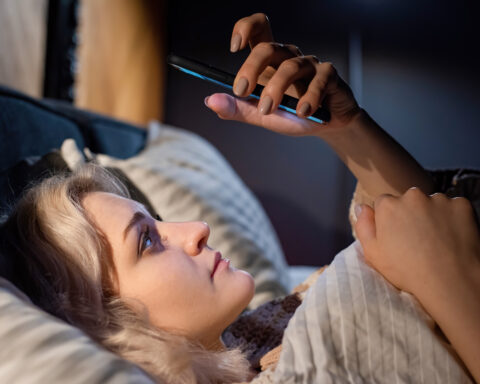
Sleep gained long-overdue attention in 2025, as young Indians recognised its impact on mental clarity, productivity, and emotional health. Late-night hustle culture began to lose its appeal, replaced by conversations around rest, recovery, and sustainable performance.
From curated bedtime routines to travel experiences centred on rest, sleep became aspirational rather than indulgent. In 2026, sleep wellness is expected to move beyond trends and become a non-negotiable part of healthy living.
Wellness Meets Financial Awareness
Another notable shift was the way Gen Z began budgeting for wellness. Health expenses — from fitness classes to therapy sessions — were viewed as long-term investments rather than optional luxuries. Subscription models and flexible payment options made wellness more accessible, even for young earners.
As this mindset continues into 2026, wellness is likely to intersect more closely with financial planning, encouraging mindful spending that prioritises long-term well-being.
Looking Ahead to 2026
The wellness landscape of 2025 reflected a generation learning to listen to itself. For Gen Z in India, health is no longer about chasing trends but about building routines that align with personal values, cultural context, and real-world constraints.
As 2026 unfolds, wellness will continue to evolve — quieter, smarter, and more intentional. Less about perfection, more about presence. Less about extremes, more about balance.