Back pain is one of the most common health complaints in modern life. For many people, it comes after a long day at the desk or a strenuous workout and usually fades with rest. But when the pain lingers, radiates down the legs or arms, or is accompanied by numbness, it may point to something more serious, a condition commonly known as a slip disc.
Despite the name, the disc does not literally “slip.” What doctors call a slip disc is medically known as a herniated or prolapsed disc, a condition that occurs when one of the cushion-like discs between the bones of the spine bulges or ruptures.
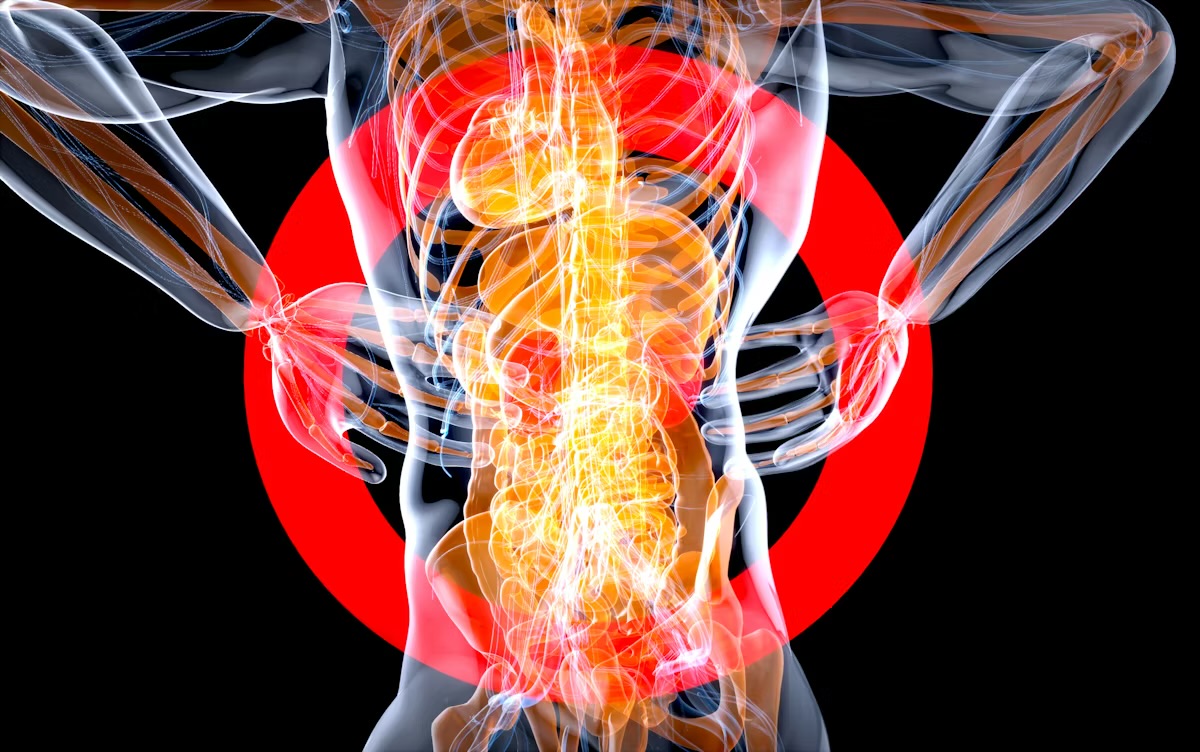
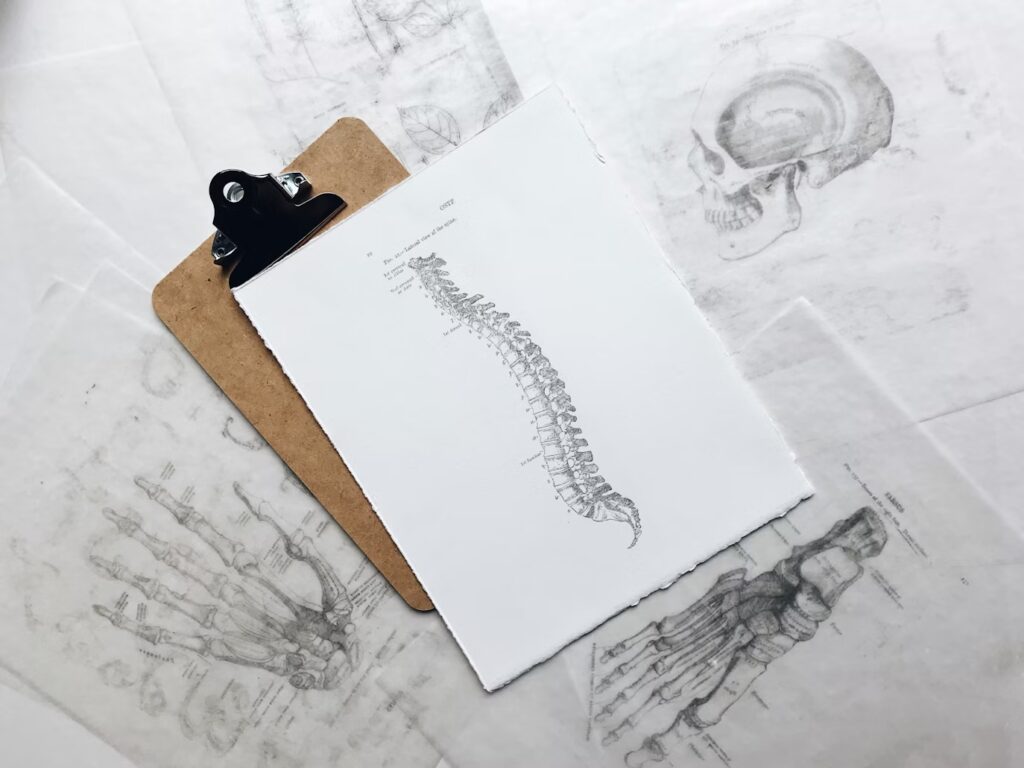
“Between every two bones of the spine there is a soft cushion called a disc that acts as a shock absorber,” explains Dr Hemant Sharma, Chairman of the Marengo Asia Robotic Centre for Orthopaedics & Joint Care at Marengo Asia Hospitals, Gurugram. “Each disc has a tough outer ring and a jelly-like centre that allows the spine to move smoothly and absorb pressure.” When the outer ring weakens or cracks, the inner jelly-like material may protrude outward. “This bulging material can press on nearby nerves,” Dr Sharma says. “That is when patients begin to experience symptoms like pain, tingling or weakness.”
Why slip discs occur
According to Dr Pushkar Chawla, Director and Unit Head, Orthopaedics at ShardaCare – Healthcity, slip discs are often the result of wear and tear on the spine combined with lifestyle factors.
“A slip disc occurs when the outer layer of the disc ruptures and the inner softer material pushes outwards, sometimes compressing surrounding nerves,” he explains. “This can happen due to ageing, improper lifting of heavy objects, bad posture or excessive strain on the back.”
Over time, the discs naturally lose elasticity and hydration, making them more vulnerable to injury. However, sedentary lifestyles and poor posture are increasingly contributing to the condition among younger adults.
“People often underestimate how much pressure long hours of sitting can place on the spine,” Dr Chawla says. “When posture is poor, the stress on spinal discs increases significantly.”
Who is most at risk?

While slip discs can occur at any age, certain groups are more susceptible.
“Office workers who spend more than six hours a day sitting, especially without proper back support, are at higher risk,” Dr Sharma notes. Continuous vibration from long drives can also affect spinal health, which is why drivers frequently experience back issues.
People involved in heavy lifting including manual labourers or those lifting weights at the gym without proper technique also face increased risk.
“Individuals who are overweight or have weak back muscles may place additional strain on their spine,” Dr Chawla says. “Over time, this extra pressure can increase the likelihood of disc damage.”
Smoking and family history can also contribute to faster degeneration of spinal discs, making some individuals more prone to developing the condition earlier in life.
Slip disc V/S Ordinary back pain
Distinguishing a slip disc from ordinary back pain can be difficult, especially in the early stages.
“Most everyday back pain is muscular or posture-related and improves within a few days,” Dr Sharma explains. “But slip disc pain typically behaves differently because it involves nerve compression.”
Instead of remaining confined to the back, the pain may travel along the nerve pathways.
“Patients often describe pain that radiates from the lower back down the leg or from the neck into the arms,” says Dr Chawla. “They may also experience tingling sensations, numbness or even muscle weakness.”
In some cases, individuals may find it difficult to walk long distances or stand for extended periods.
“If back pain continues for several weeks, or if it is associated with numbness or weakness in the limbs, it is important to consult a specialist for proper diagnosis,” Dr. Chawla advises.
Managing the condition
Fortunately, most slip disc cases improve without surgery if treated early.
“Many patients recover well with conservative treatment,” Dr Sharma says. “The key is to reduce pain, strengthen the spine and correct the habits that caused the problem in the first place.”
Treatment often begins with short periods of rest, followed by gradual movement to maintain flexibility. Doctors may prescribe anti-inflammatory medications to relieve pain and swelling.
Physiotherapy is often the cornerstone of treatment.
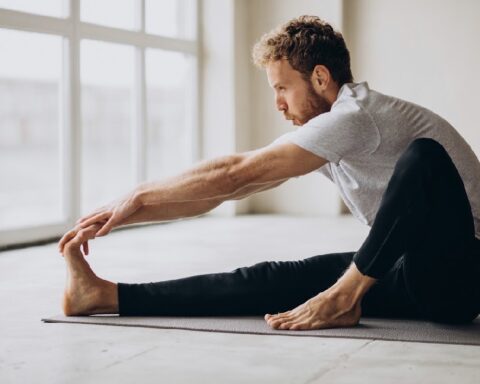
“Exercises that strengthen the core and back muscles help support the spine and reduce pressure on the discs,” Dr Chawla explains. “Posture correction and ergonomic changes in the workplace are equally important.”
Applying hot or cold packs can also help relieve muscle spasms and discomfort.
Surgery is typically considered only when symptoms persist despite weeks of treatment or when there is progressive nerve damage.
“In cases where nerve compression leads to severe pain or weakness, surgery may provide faster relief,” Dr Sharma says. “But many patients improve with structured physiotherapy and lifestyle modifications.”
Ultimately, doctors say the spine thrives on movement, strength and good posture.
“Back pain should never be ignored,” Dr. Chawla adds. “Early recognition and simple lifestyle changes can prevent minor spine problems from turning into long-term conditions.”
Also Read:
Zone Zero Exercise: Smart Starting Point or Fitness Myth?
City Life vs. Joint Health: How Urban Stress Is Hitting Our Bones
Why Kids Turn Violent: Neuroscientists Explain