In Wadi Rum, I get a taste of the generosity and grace that define Jordanian hospitality.
The 4X4 vehicle lurches over rust-red sand and drops into shallow valleys, while I maintain a tight grip on the handrails. Wadi Rum, Jordan’s otherworldly desert wilderness, doesn’t believe in smooth rides. This vast landscape, sculpted by wind and time, has been home to the Bedouins for centuries, their lives shaped by its unforgiving terrain and enduring traditions. There’s perhaps no better place to glimpse their way of life than over a cup of Arabic coffee in a traditional Bedouin home. I take off my shoes and sit cross-legged on the carpet. The host, Yousef Almarahia welcomes me into his home with a cup of coffee served from a beautiful white and gold pot. The fragrant aroma of freshly brewed coffee fills the room even before the first cup is poured.
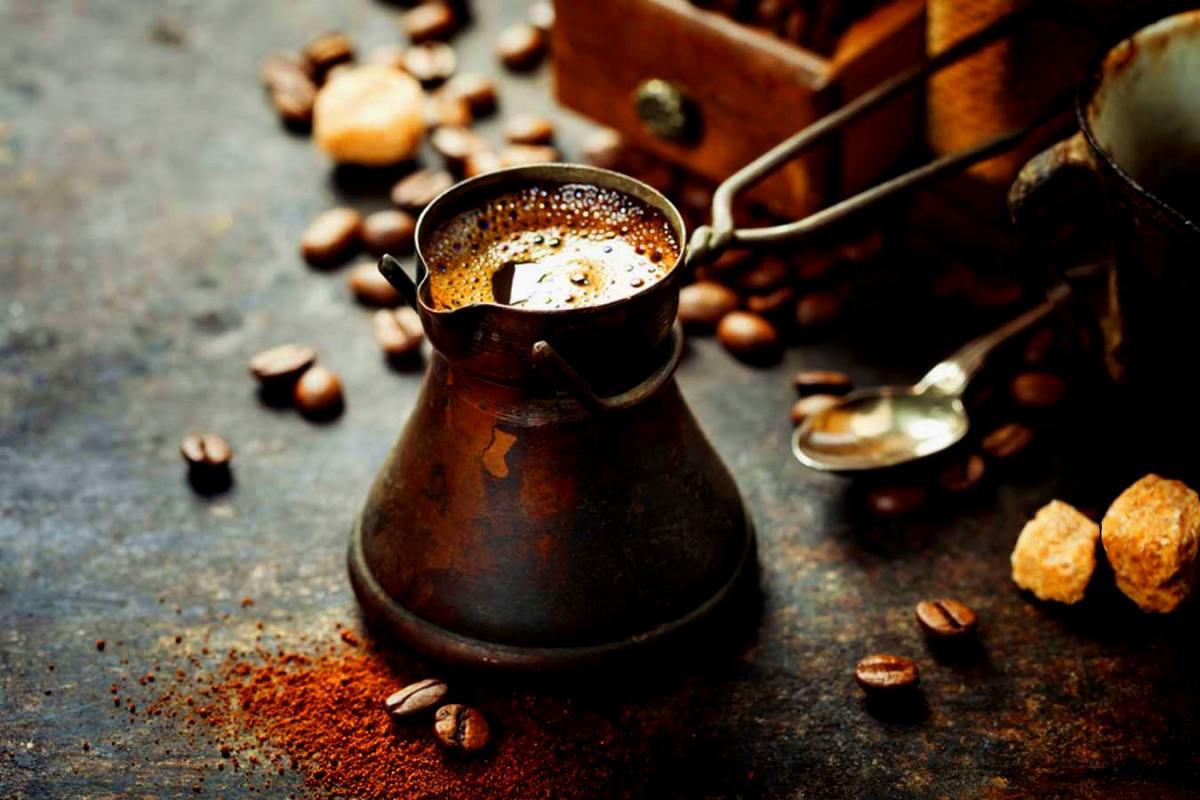
This isn’t my first tryst with Arabic coffee. A couple of days earlier, I had settled into my business class seat on the Royal Jordanian flight from Mumbai to Amman. A flight attendant, dressed in a traditional black thobe (elegant long-sleeved, ankle-length dress) adorned with intricate embroidery, arrived with a dallah and ceramic cups. Dallah is a traditional Arabic coffee pot used to brew and serve Arabic coffee. It’s a shapely vessel with a long spout, and is usually made of brass or steel, sometimes even silver or gold. It’s often adorned with decorative patterns, although the one on the flight was a practical steel one with minimal decoration on the lid. It was my first introduction to a custom I would encounter repeatedly across Jordan.
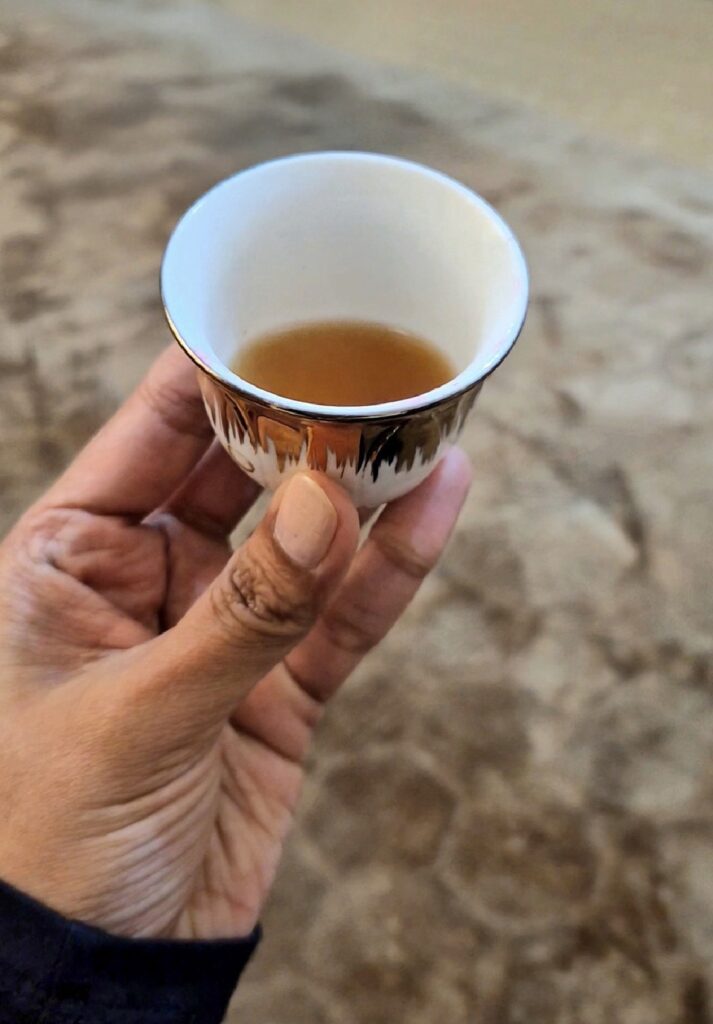
Preparing Arabic coffee follows a time-honoured tradition. Lightly roasted Arabica beans are ground along with fragrant cardamom; sometimes saffron, cloves, or a touch of rose petals are also added depending on the region and the household. You can also buy a readymade coffee mixture. At Albaba Spices & Coffee in the Aqaba souk, the smiling owner shows me their signature blend — light and dark-roasted coffee beans and cardamom pods, all of which go into a grinder to produce a coarsely ground coffee mixture. This is simmered in water and the brew is left to settle before being poured into the dallah, which keeps it warm while allowing the grounds to remain behind.
The coffee is served in small handleless cups called finjan. These are usually three in number and each cup has a significance. The first cup al-heif is the host’s cup, which signals that the guest is welcome. The second cup is al-keif or the guest’s cup showing the guest’s appreciation of the coffee. The final cup is called al-seif or the sword cup, which is as serious as it sounds. It’s the cup that binds the host and guest in a kinship that goes beyond mere formality, with the guest committing to pick up a sword and defend the host against any enemy! Together, the three cups turn a simple drink into an act of welcome and trust.
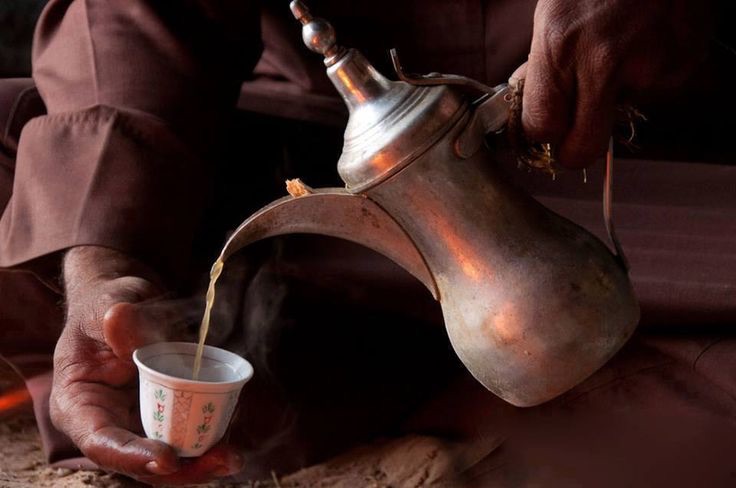
At Almarahia’s home, my guide Abdallah Murtada explains the etiquette of Arabic coffee. “You cannot say no to the coffee as it’s a sign of hospitality,” he says. Coffee is both served and received with the right hand, a gesture of respect in Arab culture. I take a sip of the cardamom-scented coffee, a delicate brew quite unlike my usual espresso. Pale amber rather than inky black, it is lighter in body, gently spiced and free of the sharp bitterness that defines an espresso shot. Instead, the lightly roasted beans yield a mellow, almost tea-like drink, with cardamom lending a subtle perfume that lingers on the palate. Tradition dictates that the cup be filled only a third of the way, keeping the coffee warm while allowing it to be served over multiple rounds. I down the coffee and I’m ready for my next pour. I return the cup and Almarahia immediately fills it up again. After drinking three cups (and pledging my loyalty), I’ve had enough, and Murtada tells me that I should gently shake the cup side to side while returning it, indicating that I’m done. Throughout the ritual, Almarahia remains standing, a sign of deference and service to the guest. As I leave his house, I’m struck by how much can be expressed without words. Arabic coffee is about far more than what’s in the cup — it is Jordan’s way of saying, “you’re welcome here.”