Across India’s hospitality landscape, a noticeable shift is unfolding. What was once an industry largely dominated by male leadership is now witnessing the rise of a new generation of female entrepreneurs who are not just participating in hospitality but they are building businesses, shaping brand ecosystems, and redefining what leadership looks like in restaurants, bars, and dining concepts.
Their influence extends beyond the dining room into the architecture of how modern restaurant businesses are conceived, scaled, and sustained. This evolution reflects a deeper transformation in the industry itself and one where hospitality is no longer seen only as a passion-led pursuit but as a structured, scalable business.
Building Hospitality as Enterprise
According to Vijeta Singh, Co-Founder of Together Hospitality and Founder & Creative Director of Rare Ideas, scaling hospitality businesses requires founders to move beyond instinct-driven decision-making.
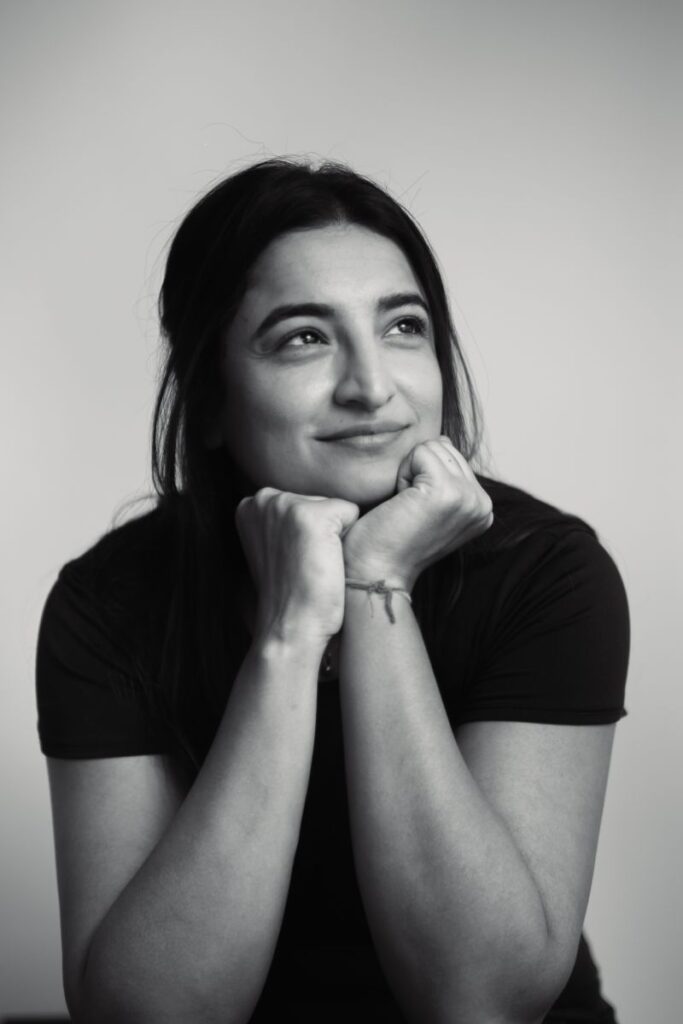
“One of the biggest challenges while scaling was moving from founder instinct to institutional structure. What works when you have a single restaurant becomes a limitation when you grow. You have to build systems where culture and leadership can travel without the constant presence of the founder.”says Vijeta
Under Together Hospitality, Singh has been involved in building concepts such as Cobbler & Crew, Juju, Gather, and the upcoming Izipizi Street, while also helping scale Elephant & Co. Her work reflects a growing industry trend and positioning hospitality brands as structured intellectual property capable of long-term expansion.
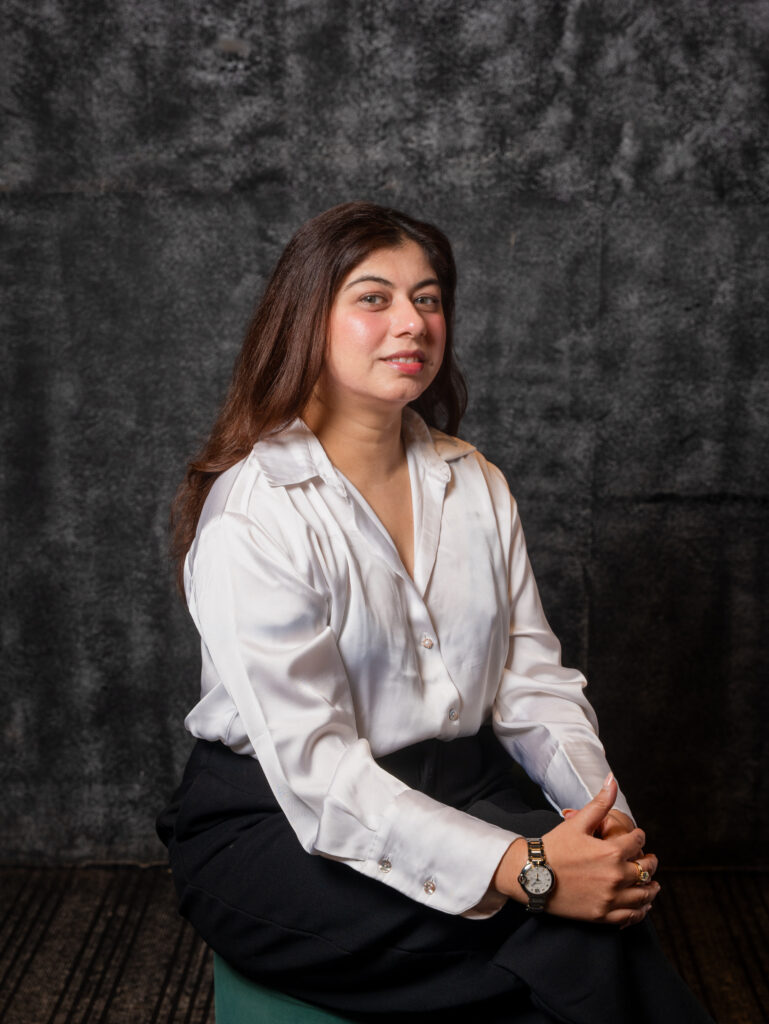
Priyanka Jain, Co-Founder & Director at Prasuk Jain Hospitality Pvt Ltd, has played a key role in building experiential hospitality brands such as Snow World, Amazonia, The Game Palacio, and Luna et Sol. “When we launched Snow World, India had no established framework for large-scale indoor entertainment formats. We faced regulatory complexities, technical limitations, and a lack of local expertise,” she explains.
To navigate this, Jain and her team studied global entertainment models and adapted them to the Indian market. “As we expanded into brands like The Game Palacio and Amazonia, talent acquisition and team structuring became equally critical challenges. My approach remained consistent: build strong systems, implement clear processes, and plan meticulously.”
Across the sector, entrepreneurs are increasingly thinking about restaurants as scalable brand systems rather than single-location successes.
Creativity Meets Financial Discipline
Hospitality has always been driven by creativity, but the industry’s new generation of founders is equally focused on financial architecture.
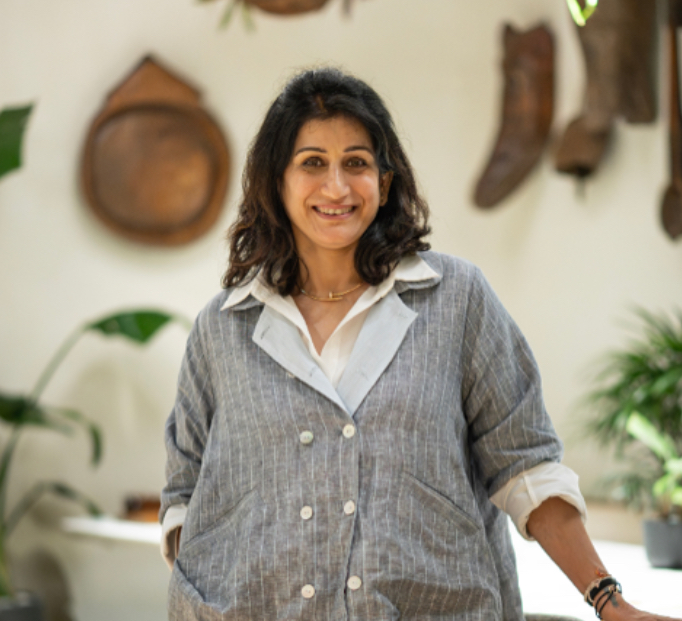
Vaishali Karad, Founder of Paashh, believes the two must work in tandem. “Hospitality is an art form sustained by economics. Creative direction shapes experience and recall, while financial discipline secures endurance and scale. True creative freedom flourishes most confidently within strong financial architecture.”
Rather than viewing creativity as an indulgence, many entrepreneurs now design concepts with commercial logic embedded from the beginning and through menu engineering, operational efficiency, and revenue mapping. This integrated thinking allows brands to maintain strong identities while protecting long-term profitability.
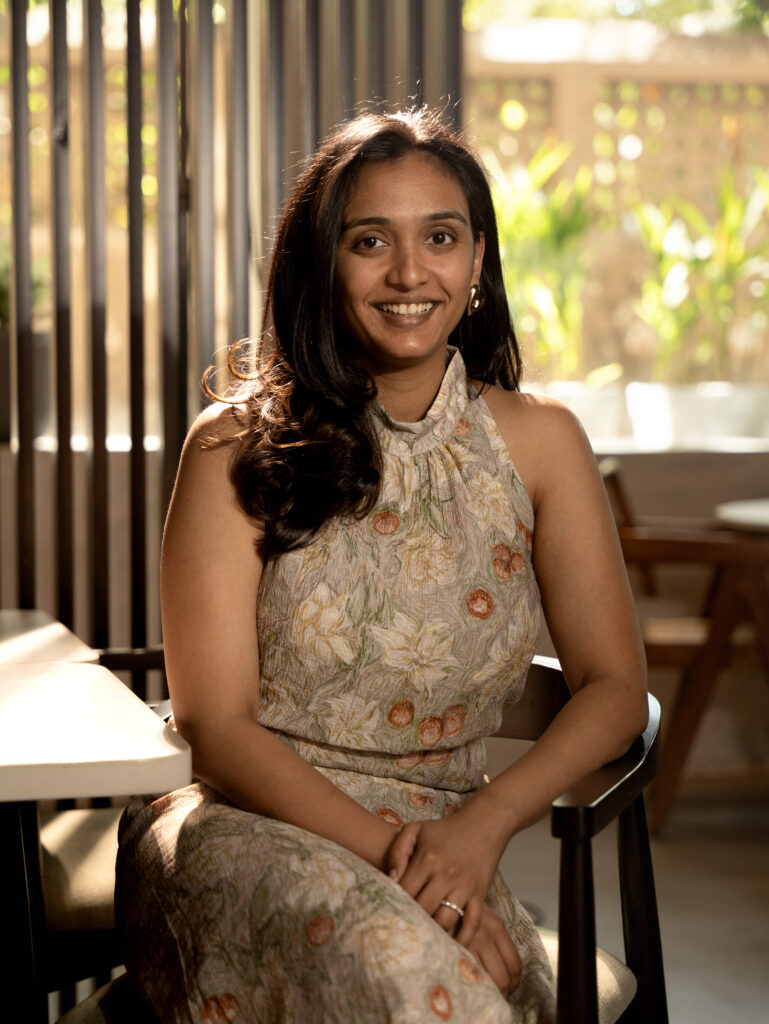
Similarly, Ishaa Jogani, founder of TÓA66, notes that striking the balance requires careful decision-making. “I don’t believe there is ever a perfect split between creative vision and financial performance. It’s about ensuring creativity doesn’t compromise sustainability, and financial decisions don’t strip away the soul of the restaurant.”
At TÓA 66, Jogani maintains operational clarity by evolving menus quarterly, allowing space for creativity while maintaining cost discipline.
Scaling Requires a Leadership Shift
As hospitality ventures expand, founders often face a significant shift in leadership style. In the early stages, entrepreneurs are deeply involved in daily operations. But as businesses grow, scaling requires founders to move from hands-on operators to strategic architects.
For Singh, this meant evolving from problem-solver to capability builder. “At scale, growth requires building decision frameworks so teams can operate confidently without constant founder intervention.”
Building strong leadership teams, defining culture clearly, and investing in structured training are becoming essential components of hospitality expansion.
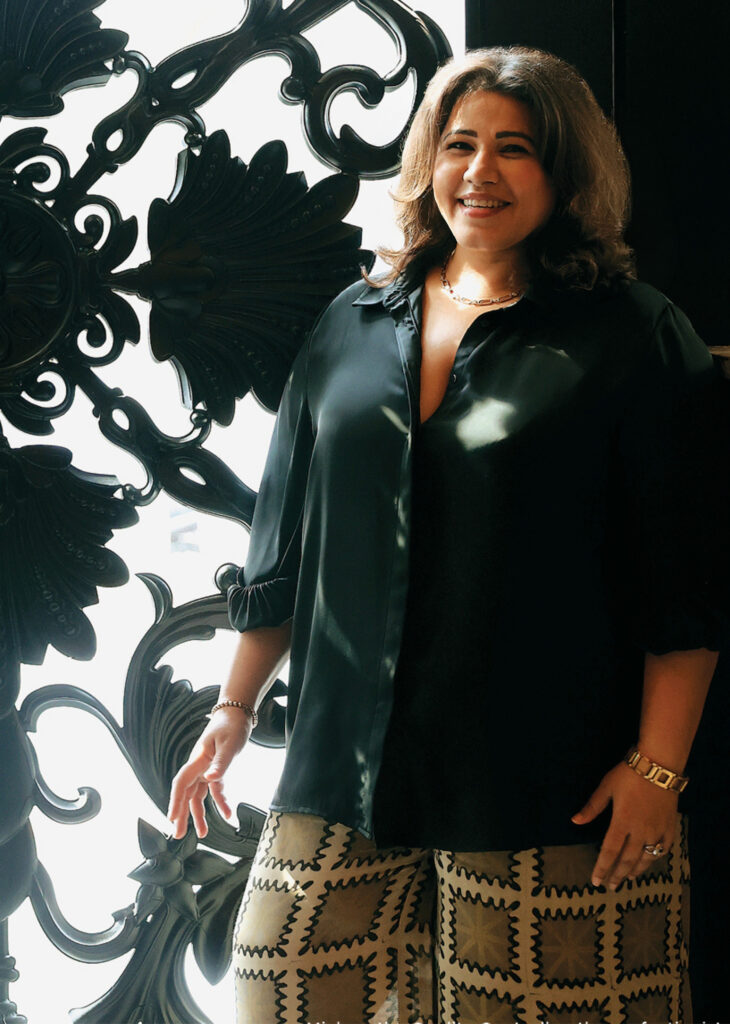
Pratima (Mickee) Tuljapurkar, Founder of La Loca Maria and La Panthera, echoes this perspective. “In the beginning, you are involved in everything. As the business grows, the biggest shift is learning to step back and trust the team. Moving from operator to entrepreneur means building systems and people who can run the business without everything depending on you personally.”
Tuljapurkar has helped grow La Loca Maria LLP from a single restaurant into a multi-concept hospitality company, demonstrating how operational discipline and strong brand foundations can support expansion.
Redefining Workplace Culture
The restaurant industry has long been known for high-pressure environments and rigid hierarchies. Many entrepreneurs today are consciously designing work cultures that prioritise safety, fairness, and growth.
Singh highlights how scaling teams requires intentional cultural frameworks. “As women founders, there is often an additional emotional labour layer where teams expect reassurance and access. As organisations grow, culture must be embedded into systems so it can travel beyond the founder.”
Similarly, Karad emphasises that culture cannot simply be declared it must be structured. “In hospitality, the team forms the emotional architecture of the brand. Safety, dignity, and opportunity are essential to long-term success.”
Restaurants led by women are increasingly investing in transparent policies, defined growth pathways, and leadership opportunities that allow employees to build meaningful careers within the industry.
Changing Perceptions of Leadership
While progress is evident, women founders acknowledge that leadership in hospitality still involves overcoming perception barriers.
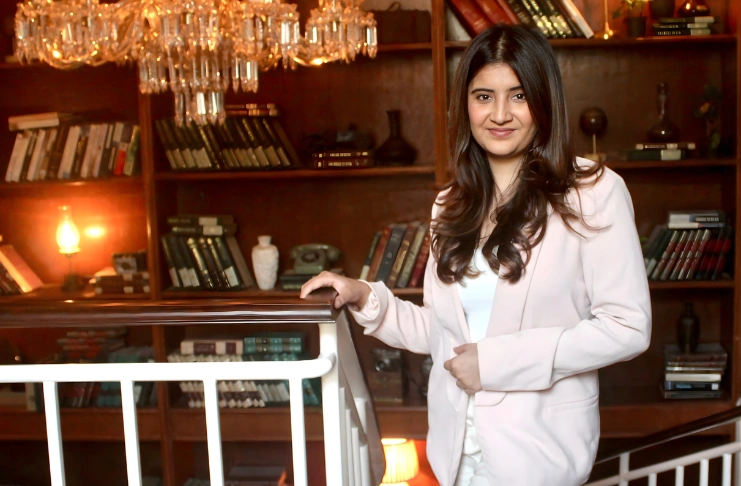
Nikita Shahri, Co-Founder of Chrome Asia Hospitality, notes that bias often appears not in operational spaces but in decision-making ones. “Women are often welcomed as creative contributors in hospitality but questioned when they control capital, leases, and expansion strategy. When you understand your unit economics and capital deployment clearly, competence leaves very little room for bias.”
As more women take ownership roles within the sector, these perceptions are gradually shifting.
Representation itself is playing a powerful role in changing expectations around leadership.
Building Legacy Through Hospitality
For many founders, the ambition extends beyond individual restaurants. Entrepreneurs increasingly view hospitality as a platform for cultural impact, career creation, and long-term economic value.
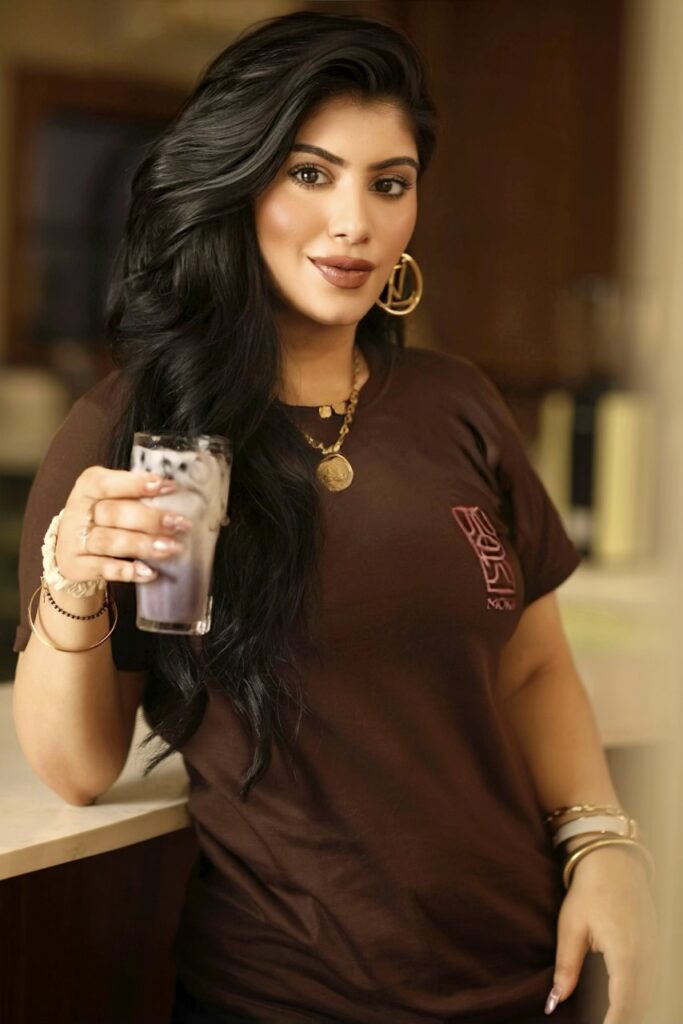
Karreena Bulchandani, Founder of Mokai, sees hospitality as a space where human connection and creativity intersect. “I want Mokai to be remembered not just as a place people visited, but as a space people returned to because it made them feel seen, curious, and welcomed.”
Similarly, Tuljapurkar believes lasting hospitality brands are built on emotional resonance. “The goal is to build restaurants people return to places that become part of their memories and routines.”
Ultimately, many founders share a common vision: building businesses that create opportunity.
A Defining Moment for the Industry
The rise of female hospitality entrepreneurs represents more than individual success stories. It signals a structural transformation in how hospitality businesses are built and led.
Women today are negotiating leases, directing capital, shaping brand identities, and building multi-concept hospitality groups. They are influencing not just the aesthetics of restaurants but the economics and systems behind them.
As more women move into ownership and leadership roles, the industry itself becomes more diverse, more strategic, and more resilient. And perhaps most importantly, hospitality leadership is beginning to reflect the communities it serves.
The dining room may still be where guests experience the magic but increasingly, the future of hospitality is being designed by the women building the industry behind it.