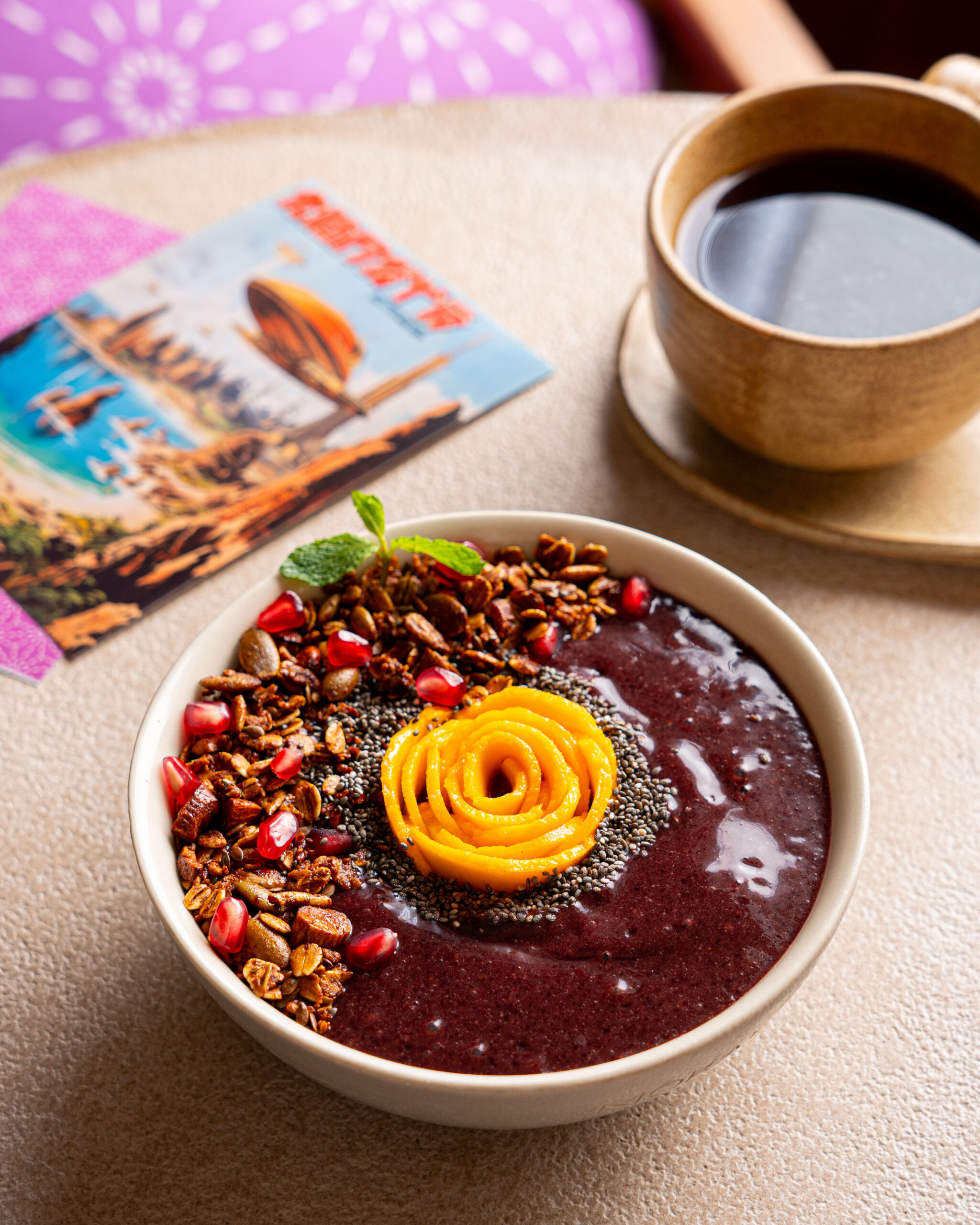
Wellness today doesn’t arrive with declarations. It slips into our mornings quietly, through how we start the day, what feels doable rather than demanding. Açaí bowls and matcha lattes fit neatly into this softer idea of health. They’re familiar, comforting, and carry the promise of nourishment without restriction.
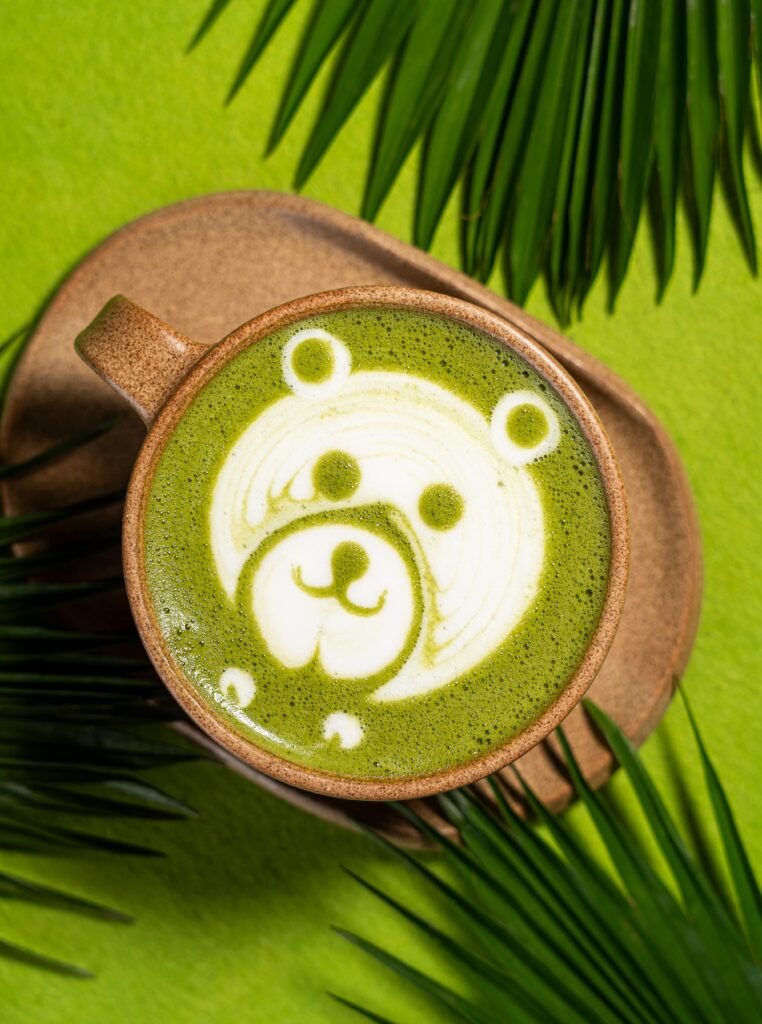
Açaí bowls double up as breakfast or a mid-day reset. Matcha has become the gentler alternative to coffee and calm energy in a cup, often framed as the “better choice.” But as with most things in wellness, intention matters more than image.
“Wellness today is less about miracle claims and more about mindful choices,” says Karreena Bulchandani, Founder of MOKAI. “We’re very conscious about not overpromising. These ingredients aren’t cures or shortcuts, they’re simply nutrient-rich foods that can support a balanced lifestyle. At MOKAI, our responsibility is transparency. Real wellness comes from consistency, not a single bowl or drink.”
That honesty is important, especially with matcha. While it’s rich in antioxidants and L-theanine, which helps create sustained focus and calm energy, it is still a concentrated form of caffeine. In moderation, matcha supports alertness without the sharp spikes associated with coffee. But too much of matcha and multiple servings through the day can tip the balance.
Luke Coutinho, Integrative Lifestyle Expert, explains it simply: “Matcha is powerful because it’s concentrated. That’s also why moderation matters. Excess caffeine, even from natural sources, can impact sleep quality, digestion, and hormone balance over time. When matcha is treated as a ritual like one cup, mindfully consumed, it works beautifully. When it becomes a replacement for rest or proper meals, it stops supporting the body.”
The same applies to açaí bowls. On their own, they’re rich in antioxidants, fibre, and healthy fats. But portion sizes, toppings, and sweeteners quietly change their role. What begins as nourishment can easily turn into a dessert if consumed without awareness.
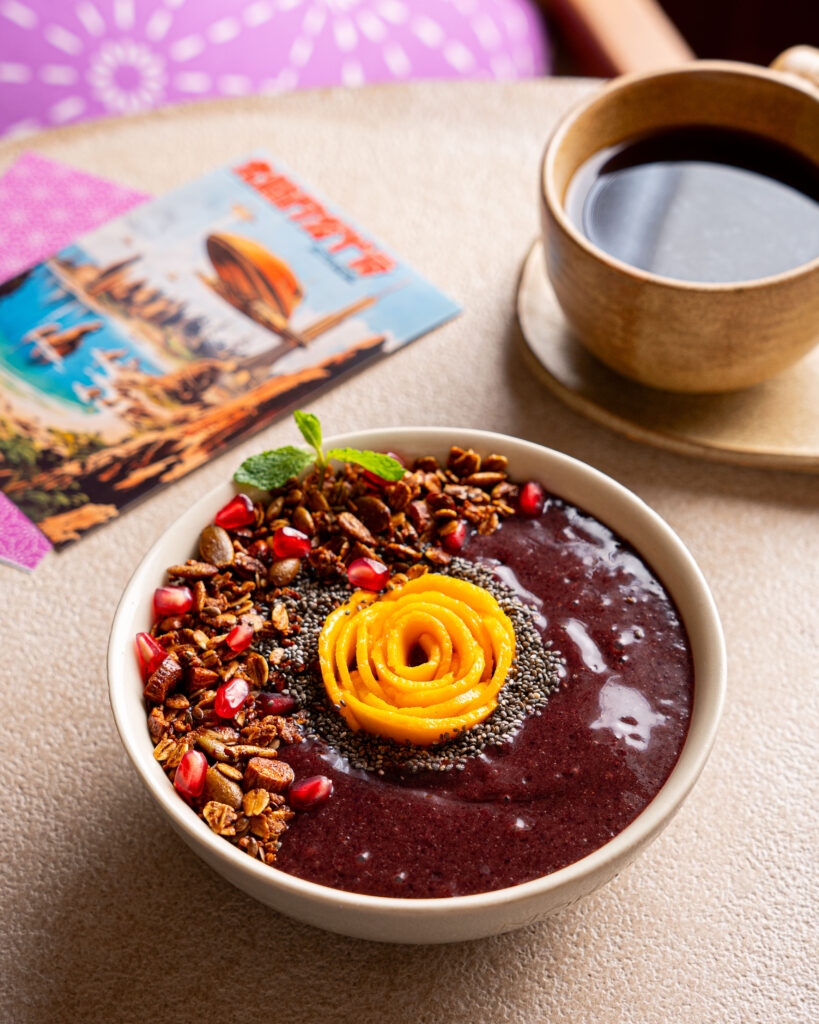
Matcha and açaí succeed because they don’t feel like compromises. As Bulchandani puts it, “Guests don’t feel like they’re choosing healthy over enjoyable but they get both. They’re visually striking, comforting, and fit into different moments of the day. That emotional satisfaction is what makes them consistent.”
What we’re really seeing is a shift in how wellness is defined. It’s no longer about extremes or rigid rules. It’s about foods that support life as it’s actually lived—busy, layered, and imperfect.
So, are they actually healthy? Yes, when consumed intentionally, in moderation, and with respect for what the body needs.
No, when treated as shortcuts simply because they look virtuous.
The real takeaway is this: wellness foods are not meant to carry the entire weight of health. They’re there to support and not replace sleep, nourishment, movement, and balance. Sometimes, one mindful cup or bowl is enough. And sometimes, that’s exactly what wellness looks like now.