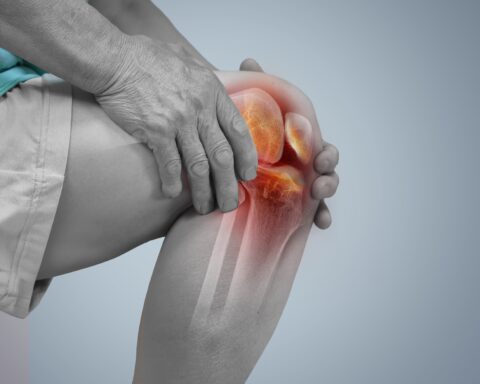
Joint pain is no longer a conversation reserved for older adults. From old sports injuries to sedentary routines, understanding what your body is telling you could make all the difference to your long-term mobility.
For years, arthritis has been associated with ageing, stiff knees and the occasional struggle to climb a flight of stairs. But joint pain in your 30s is increasingly prompting questions about how we live, work, exercise and care for our bodies.
Long hours at a desk, inconsistent exercise routines and the tendency to dismiss recurring discomfort as a consequence of a hectic lifestyle can make it easy to overlook joint health. However, pain in your 30s does not automatically mean arthritis, and not every ache can be attributed to poor posture or inactivity. Understanding the cause is the first step towards protecting your mobility.
According to Dr. Sana Ahmed Sayyad, Consultant Orthopaedic Surgeon specialising in shoulder, knee and sports injuries in Pune, arthritis is not simply a consequence of ageing. Previous joint injuries, including a torn meniscus or anterior cruciate ligament (ACL), can increase the risk of developing osteoarthritis years later. Excess body weight can also place additional mechanical stress on weight-bearing joints.
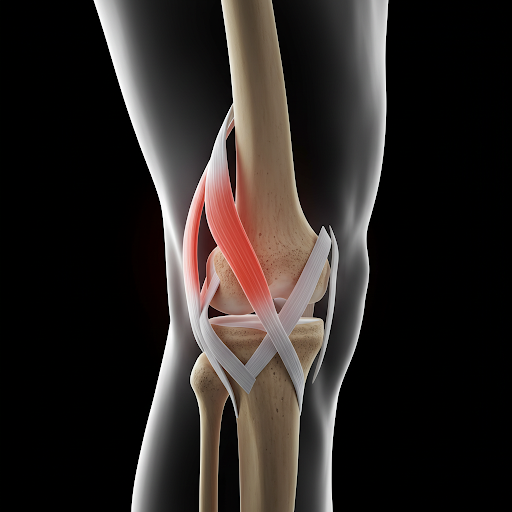
Rheumatoid arthritis, meanwhile, is an autoimmune condition that can develop in early adulthood and is different from osteoarthritis. Persistent swelling, morning stiffness, restricted movement or recurring pain following an old sports injury should not be ignored.
Is It Everyday Joint Pain or Early Arthritis?
The intensity of pain alone does not tell the whole story. Its pattern, duration and accompanying symptoms can offer important clues.
Discomfort caused by overuse may improve when the activity is reduced. Osteoarthritis commonly causes pain with movement and brief stiffness after periods of rest. Inflammatory arthritis, including rheumatoid arthritis, may involve visible swelling, warmth and prolonged morning stiffness, sometimes affecting small joints in both hands or feet.
These symptoms are not enough to establish a diagnosis. If pain persists for a couple of weeks, repeatedly returns or begins interfering with everyday activities, medical evaluation is advisable. Persistent swelling, particularly across several joints, warrants prompt assessment by a rheumatologist. A suddenly hot, swollen joint accompanied by fever requires urgent medical attention.
Treatment depends on the underlying condition. For osteoarthritis, individualised exercise, physiotherapy and weight management where appropriate can help improve symptoms and function. For rheumatoid arthritis, early disease-modifying treatment under a rheumatologist’s supervision can help control inflammation and reduce the risk of joint damage.
The takeaway is simple: identifying the problem early can help people make informed decisions rather than continuing to live with unexplained discomfort.
The Sedentary Lifestyle Factor
Our 30s often bring a familiar routine: desk jobs, long commutes, back-to-back meetings and hours spent looking at screens. While prolonged sitting does not directly cause arthritis, it can contribute to muscular deconditioning, stiffness and reduced physical capacity.
Dr. Supriya Patil, Consultant Physiotherapist at Jaslok Hospital and Research Centre, Mumbai, explains that our 30s are an important stage for building the foundation of long-term musculoskeletal health. Muscle strength, flexibility, physical capacity and movement habits can influence how comfortably we perform everyday activities as we age.
When the muscles surrounding our joints lack strength or endurance, tasks such as climbing stairs, lifting objects or getting up from a chair may become more demanding. Sustained positions, particularly with the head bent forward and shoulders rounded while using devices, can also contribute to neck and upper-back discomfort.
The solution is not necessarily an elaborate fitness routine. Breaking up prolonged sitting, taking short walks during work breaks, adjusting workstation ergonomics and incorporating regular strength training can make movement a more consistent part of everyday life.
Should You Exercise If You Have Arthritis?
One of the most persistent misconceptions about arthritis is that exercise wears out the joints. In reality, appropriately tailored physical activity is an important part of managing osteoarthritis.
Dr. Patil recommends a combination of low-impact aerobic activity, progressive strength training, mobility work and balance exercises, depending on the individual’s condition and fitness level.
Walking, stationary cycling, swimming and water-based exercise can help improve cardiovascular endurance. Strengthening the quadriceps, gluteal muscles, back and core can support functional movement and everyday activities. Resistance bands, body-weight exercises and gym equipment may all have a place in a suitable programme.

Gentle yoga and flexibility exercises can also be beneficial when adapted to the individual’s needs. However, deep knee bends, prolonged kneeling or extreme twisting may aggravate symptoms in some people.
The key is to begin at a manageable level and progress gradually. Some temporary discomfort can occur when starting therapeutic exercise, but sharp pain, substantial swelling or a marked deterioration in function should not be pushed through. During a flare-up, activity may need to be modified, and persistent worsening symptoms warrant professional guidance.
For adults, the general recommendation is to work towards 150–300 minutes of moderate-intensity aerobic activity each week, alongside muscle-strengthening activity on at least two days, adjusting for individual health and ability.
The Warning Signs You Shouldn’t Dismiss
Occasional stiffness does not necessarily indicate arthritis. However, recurring symptoms that begin affecting sleep, walking, climbing stairs, dressing or gripping objects deserve attention.
Other warning signs include persistent joint swelling, warmth, a progressive reduction in range of motion, or a joint that repeatedly locks or feels unstable. Morning stiffness lasting around 30 minutes or longer, particularly when accompanied by swelling or discomfort in multiple joints, should also be medically evaluated.
Dr. Patil emphasises the importance of addressing these symptoms before they significantly limit daily life. A sudden hot, red and swollen joint, especially when accompanied by fever, or severe pain and an inability to bear weight following an injury, requires urgent medical attention.
Maintaining a healthy body weight, staying physically active, strengthening the muscles that support the joints and seeking timely assessment can all contribute to better long-term function. For people with osteoarthritis who are overweight, weight management may help reduce pain and improve mobility.
A Healthier Approach to Ageing
Joint health is not something we need to start thinking about only when discomfort becomes difficult to ignore. Nor does protecting our joints mean avoiding movement altogether.
The habits we build in our 30s and 40s can help us maintain strength, balance and independence in the years ahead. Regular movement, progressive exercise and attention to persistent symptoms are far more useful than accepting recurring pain as an inevitable part of getting older.
Ultimately, the goal is not to eliminate every ache or follow a one-size-fits-all fitness routine. It is to understand our bodies, recognise when something needs attention and give our joints the support they need to keep us moving through life.