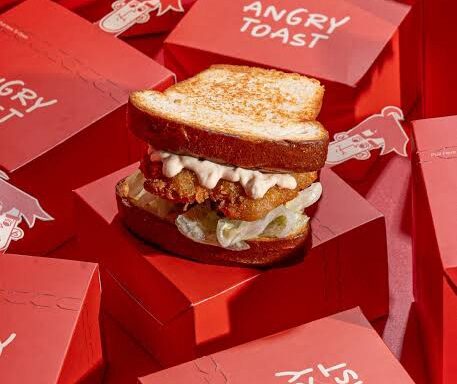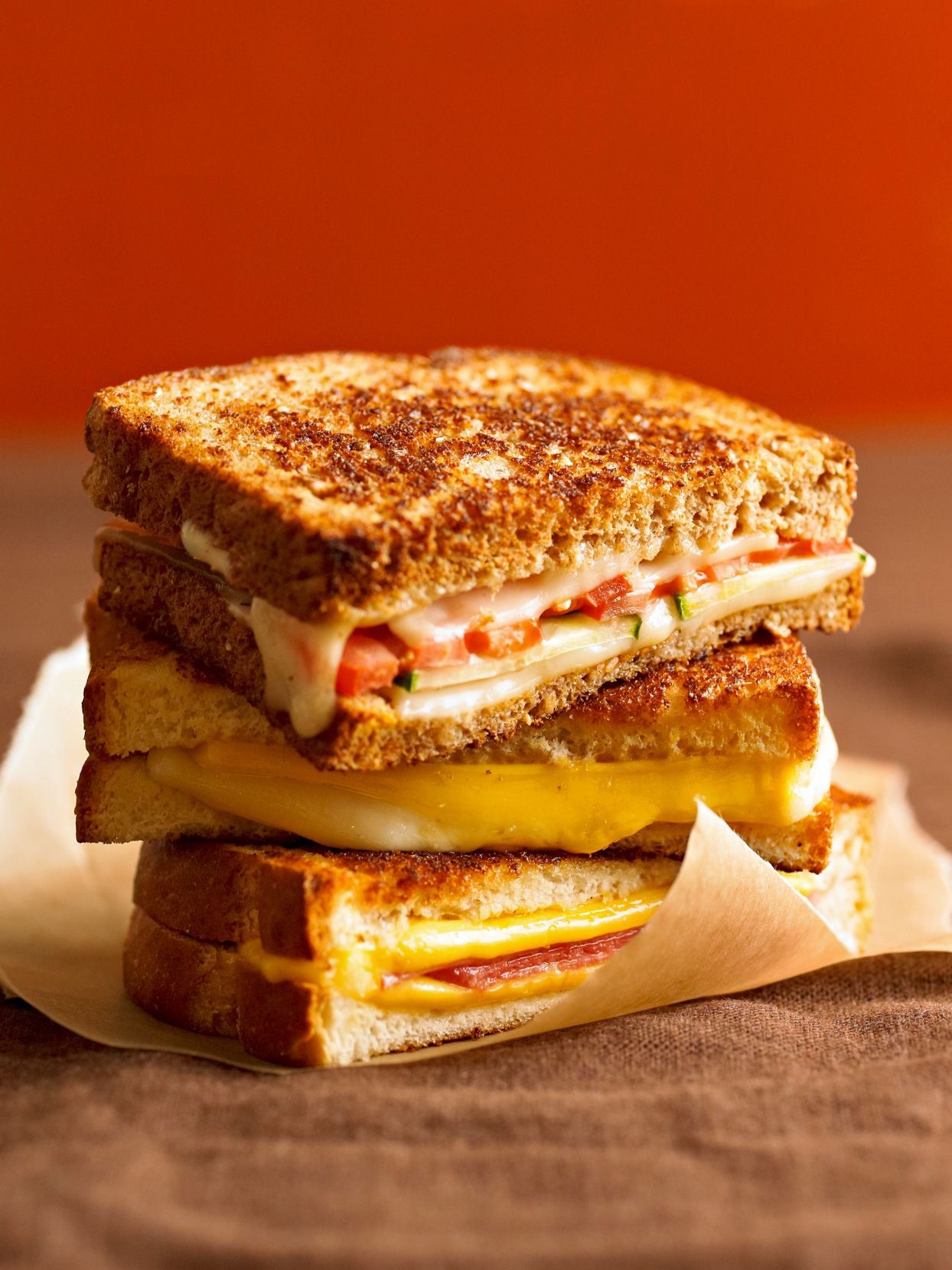
From Japanese sandos and focaccia stacks to elevated childhood favourites, the humble sandwich is getting a serious culinary makeover
For something that has been around for centuries, the sandwich is suddenly having a very contemporary moment.
Across cafés, bakeries and restaurant menus, sandwiches are moving beyond their role as a quick bite between meetings. They are becoming the centrepiece of menus, with chefs and founders putting as much thought into the bread, fillings, sauces and textures as they would into a plated dish.
So, what’s behind the renewed obsession?
According to Devashri Shah, founder of Fold Bakehouse, it comes down to a combination of convenience and quality. Diners want food that is easy to eat on the go, she says, but no longer want convenience to feel like a compromise. “A well-made sandwich can be as satisfying and thoughtfully crafted as a plated meal.”
That shift has also put the spotlight on what was once considered the supporting act with the bread.
For Shah, bread is the foundation of the sandwich rather than merely a vehicle for its filling. Its texture, fermentation, crust and crumb determine how every bite comes together. At Fold, this has meant paying close attention to hydration, fermentation and baking profiles when developing breads specifically for sandwiches.
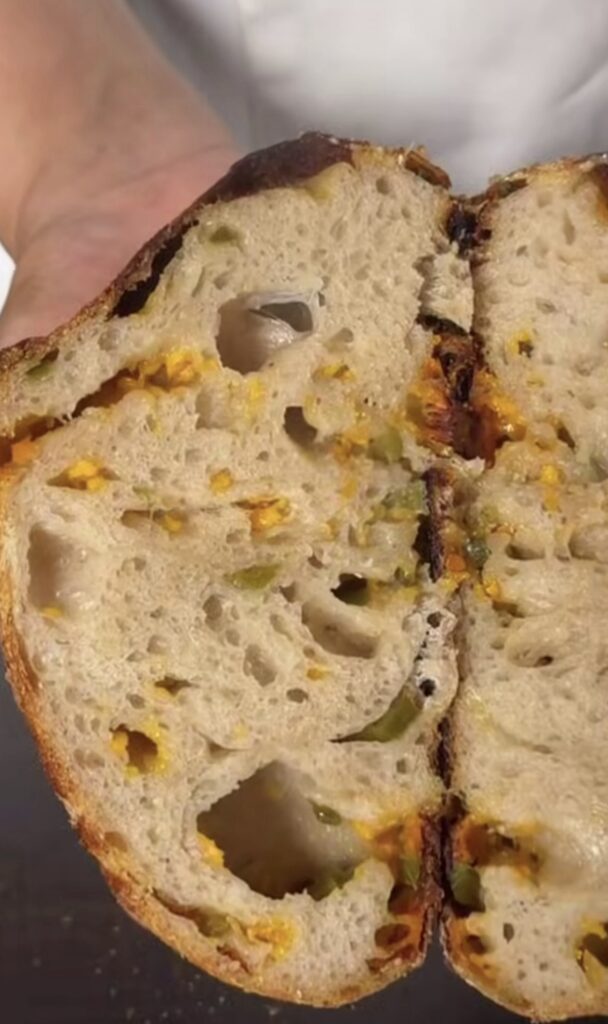
The difference can be significant. A naturally fermented sourdough, a soft brioche and an olive-oil-rich focaccia can completely change the experience of the same filling.
There is a clear appetite for this kind of craftsmanship. Shah says Fold has seen growing demand for artisanal breads, with sourdough and focaccia currently leading the way, while brioche and ciabatta continue to attract their own audiences.
This growing familiarity with bread is part of a larger change in the Indian dining landscape. Consumers today are more exposed to different food cultures, techniques and formats through travel and social media and considerably more discerning about what lands on their plate.
Gauri Devidayal, restaurateur and co-founder of Food Matters Group, sees the sandwich boom in the context of another important shift: the rise of niche, specialised restaurant concepts.
For decades, Indian restaurant menus often followed the multi-cuisine format, offering a little bit of everything. That is changing. “Sandwiches and burgers are one such concept, which has resulted in this specific menu item getting highlighted over the last year or so,” says Devidayal.
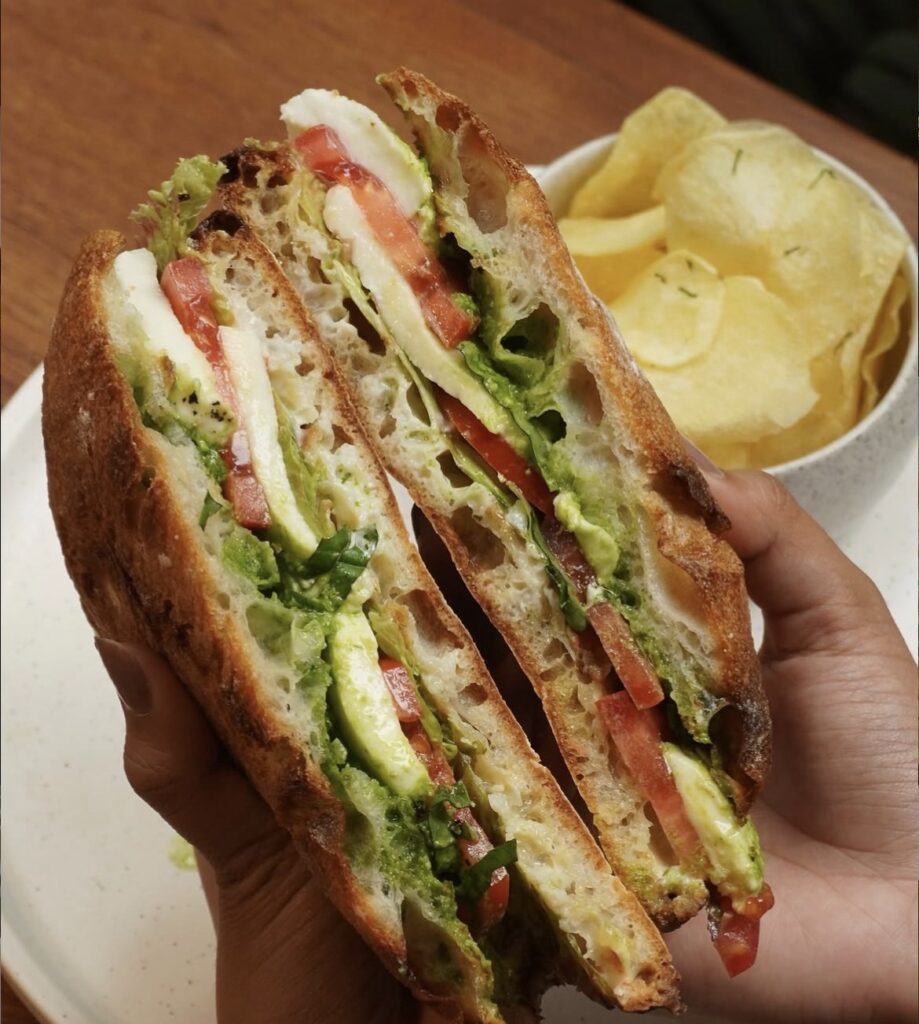
When a restaurant specialises, the expectation is higher. The product needs to be good enough to become the reason people remember the brand and marketing then plays an important role in amplifying that proposition and, ultimately, influencing consumption patterns.
The sandwich is also benefiting from something more emotional: nostalgia.
For Beena Noronha of STAQX, sandwiches are deeply tied to childhood memories like school lunches, picnics and the sandwiches made at home. What chefs are doing now is taking that familiarity and layering it with better ingredients, global influences and more sophisticated techniques.
“The nostalgia stays the same, but everything around it has evolved,” she says.
At STAQX, that philosophy translates into what Noronha describes as new-age nostalgia: house-made breads, slow-cooked meats, fermented pickles, sauces and ingredients with provenance, while retaining the emotional familiarity of the format.
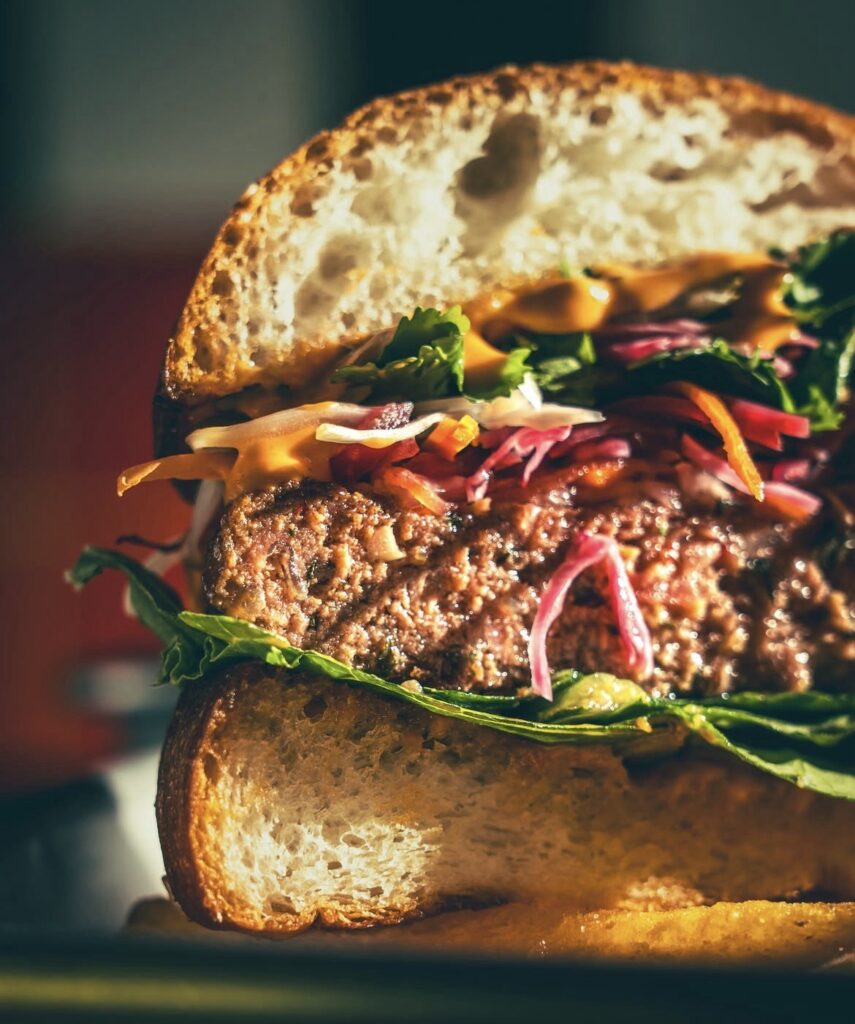
It is a combination that speaks to the way people increasingly want to eat: something familiar, but with enough discovery to make it interesting.
The explosion of Japanese sandos, American deli-style sandwiches, focaccia sandwiches and other global formats has only widened that vocabulary. Travel and social media have made diners more familiar with these formats, while local chefs are interpreting them through their own lens.
For Noronha, that tension between comfort and discovery is precisely what makes the category work. A great sandwich can transport you back to childhood while introducing flavours you have never experienced before.
And unlike some of the more ephemeral food crazes whether it was the matcha wave or the Dubai chocolate phenomenon the sandwich has one advantage: it doesn’t need to be invented.
“Sandwiches have always been there and will continue to be there,” says Devidayal. “It’s a convenient meal for one format that will never get boring.”
What is changing is everything around it.
The bread is becoming more artisanal. Fillings are becoming more ambitious. Fermentation, pickling, sauces and global flavours are adding complexity. Even the humble side of crisps or chips is being reconsidered as part of the overall experience.
Shah believes this is ultimately a reflection of a more knowledgeable consumer. “Today’s customer is not just buying a sandwich but they are looking for craftsmanship, flavour, texture, and a bread that feels both indulgent and thoughtfully made.”
Perhaps that is why the sandwich feels less like another passing food trend and more like a category undergoing a reset.
The format remains almost unchanged: bread, filling, bite.
But what happens between those two pieces of bread is becoming increasingly interesting.