There was a time when losing weight meant saying no—no to late-night desserts, no to weekend indulgences, no to skipping workouts. It meant waking up early for cardio, counting calories, spending months and sometimes years, trying one diet after another, and relying almost entirely on discipline and willpower. For many, the journey was physically exhausting and emotionally draining, with success often measured by how much sacrifice they were willing to make.

Today, that conversation is changing.
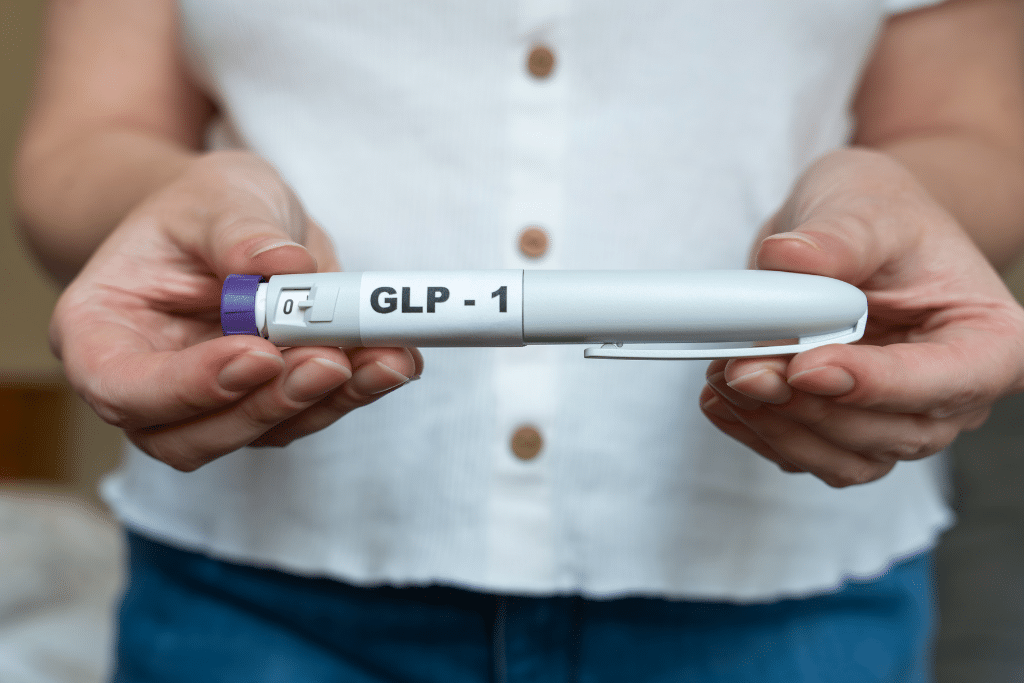
Scroll through Instagram or TikTok, and it’s hard to miss discussions around GLP-1 medications. Once prescribed primarily for people with type 2 diabetes, drugs such as semaglutide and tirzepatide have become household names, fuelled by celebrity transformations, influencer testimonials and viral social media content. What was once a niche medical treatment is now at the centre of mainstream conversations about weight loss.

The rise of GLP-1s has sparked a larger debate: Have we made weight loss easier, or have we finally begun to understand that obesity is far more complex than a lack of willpower?
Medical experts argue that obesity is a chronic metabolic disease influenced by genetics, hormones, brain signalling and environmental factors, not simply a consequence of poor lifestyle choices. GLP-1 medications work by regulating appetite, increasing feelings of fullness and reducing food cravings, helping patients overcome biological barriers that often make sustained weight loss difficult.
Dr Neeta Deshpande, Endocrinologist and Chief Medical Officer at Elevate Now, believes these medications have fundamentally transformed obesity care.
“GLP-1 medications have revolutionised obesity management. Today, we are achieving levels of weight loss that were previously possible mainly through bariatric surgery. However, these medications are not magic. Lifestyle changes, including healthy nutrition, exercise, good sleep and stress management and remain essential for sustainable weight loss.”
That distinction is important because while the medications may make weight loss more achievable, they don’t replace healthy habits.
According to clinical dietitian Dr Ridhima Khamsera, one of the biggest misconceptions is that eating less automatically means eating better.

“GLP-1 medications quiet hunger signals, but they don’t come with a nutrition plan attached. Someone can eat less and still have a nutritionally poor diet. Appetite suppression creates an opportunity to build healthier habits, but it doesn’t guarantee those habits.”
She also points to another concern: inadequate protein intake. Since appetite is significantly reduced, many people unintentionally consume too little protein, increasing the risk of muscle loss during weight reduction. Skipping meals, poor hydration and assuming the medication is doing “all the work” are among the most common nutritional mistakes she sees in practice.
The conversation extends beyond metabolism and nutrition. It also touches on psychology.
For decades, society has viewed weight loss as something that had to be “earned” through discipline and self-control. That belief often left people living with obesity carrying guilt, shame and the burden of repeated failed attempts.
Consultant psychologist Ms Sheena Sood says GLP-1 medications are beginning to shift that narrative.

“These medications help people recognise that hunger, fullness and food cravings are regulated by complex hormonal and neurological processes, not simply by willpower. This is encouraging a shift towards viewing obesity as a chronic medical condition rather than a personal failure.”
However, she cautions that while these medications reduce appetite, they do not resolve emotional eating.
Stress, anxiety, loneliness, unresolved trauma and unhealthy coping mechanisms often drive emotional eating, she explains. While reduced cravings may make overeating less frequent, the emotional triggers still require attention through therapy, mindfulness and behavioural interventions.
Experts also warn against another growing trend, the increasing visibility of GLP-1 medications on social media.
As influencers openly discuss their experiences and dramatic before-and-after transformations dominate online feeds, unrealistic expectations are becoming common. Weight loss is often portrayed as rapid and effortless, while conversations around long-term lifestyle changes, medical supervision and potential side effects receive far less attention.
Dr Deshpande notes that this has led to two parallel concerns: people seeking GLP-1 medications purely for cosmetic reasons, while others who would genuinely benefit continue to avoid treatment because of stigma or misinformation.
She stresses that these medications should always be prescribed under medical supervision and only for individuals who meet established clinical criteria.
Perhaps the biggest takeaway from experts is that GLP-1 medications are changing more than waistlines and they are changing the way obesity itself is understood.
The real question may not be whether weight loss has become easier. Instead, it may be whether medicine has finally caught up with what researchers have long known: obesity is not simply a test of willpower.
GLP-1 medications have undoubtedly opened a new chapter in obesity treatment. But lasting success still depends on the same pillars that have always mattered which is balanced nutrition, physical activity, mental wellbeing and sustained lifestyle change. The medication may make the journey easier, but it doesn’t eliminate the journey itself.