Ms. Sonal Chandalia, Clinical Nutritionist, Jaslok Hospital and Research Centre, Mumbai
Breakfast is the crucial jump-start meal of the day. The body metabolism is primed through the morning breakfast meal. If one tends to skip breakfast, they might experience low energy levels, over-eating in later meals and it may lead to a higher spike of blood glucose after the long fasting periods.
The typical Indian breakfast varies considerably in different parts of the country. Yet, it may be uniformly high in carbohydrates and lack adequate protein and heart-friendly fat.
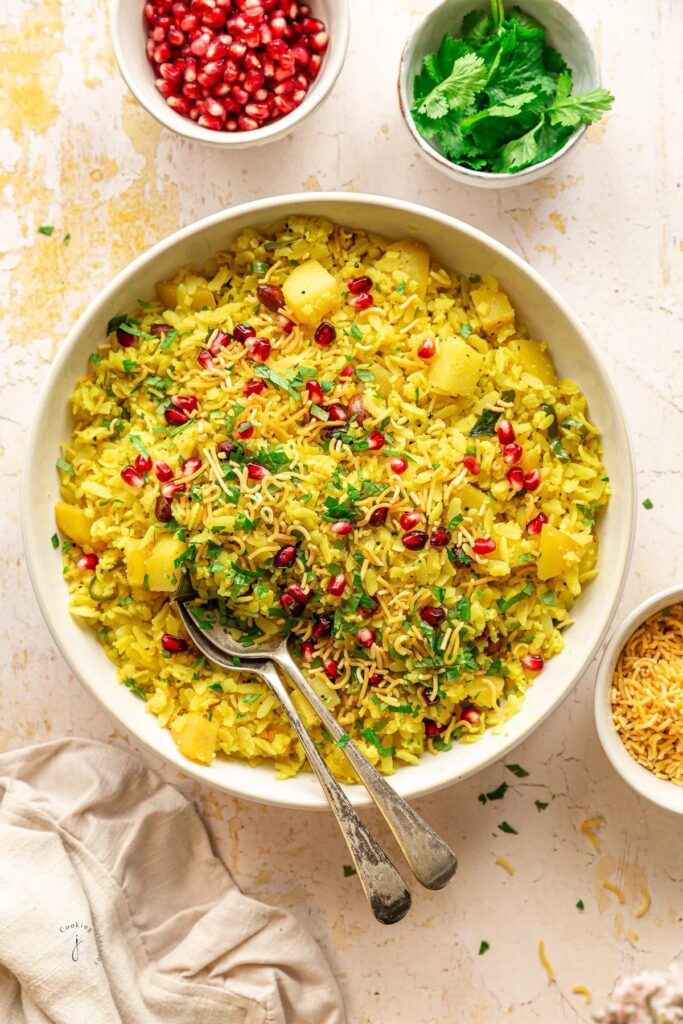
Usual breakfast options which are maida-based such as instant dosas and that made of polished rice such as pohe (rice-flakes) as well as ultra-processed packaged instant cereal options are all likely to be of higher glycemic index and thus contribute to elevated blood glucose levels in the morning hours.
Additionally, those breakfast options which are fried or made with dollops of fat such as medu wada, paratha, puris and fried farsan options also would contribute substantial calories from ghee or oil and likely trans-fat if deep-fried. These high-carbohydrate, high-fat breakfast options are avoidable as they are more calorie-dense than nutrient-dense. They are undesirable due to the nature of ingredients and the method of cooking used. The convenient and time-saver breakfast options available such as the ready-to-eat cereals and refined flour-based recipes such as pancakes have a higher glycemic index and thus are not the solution.
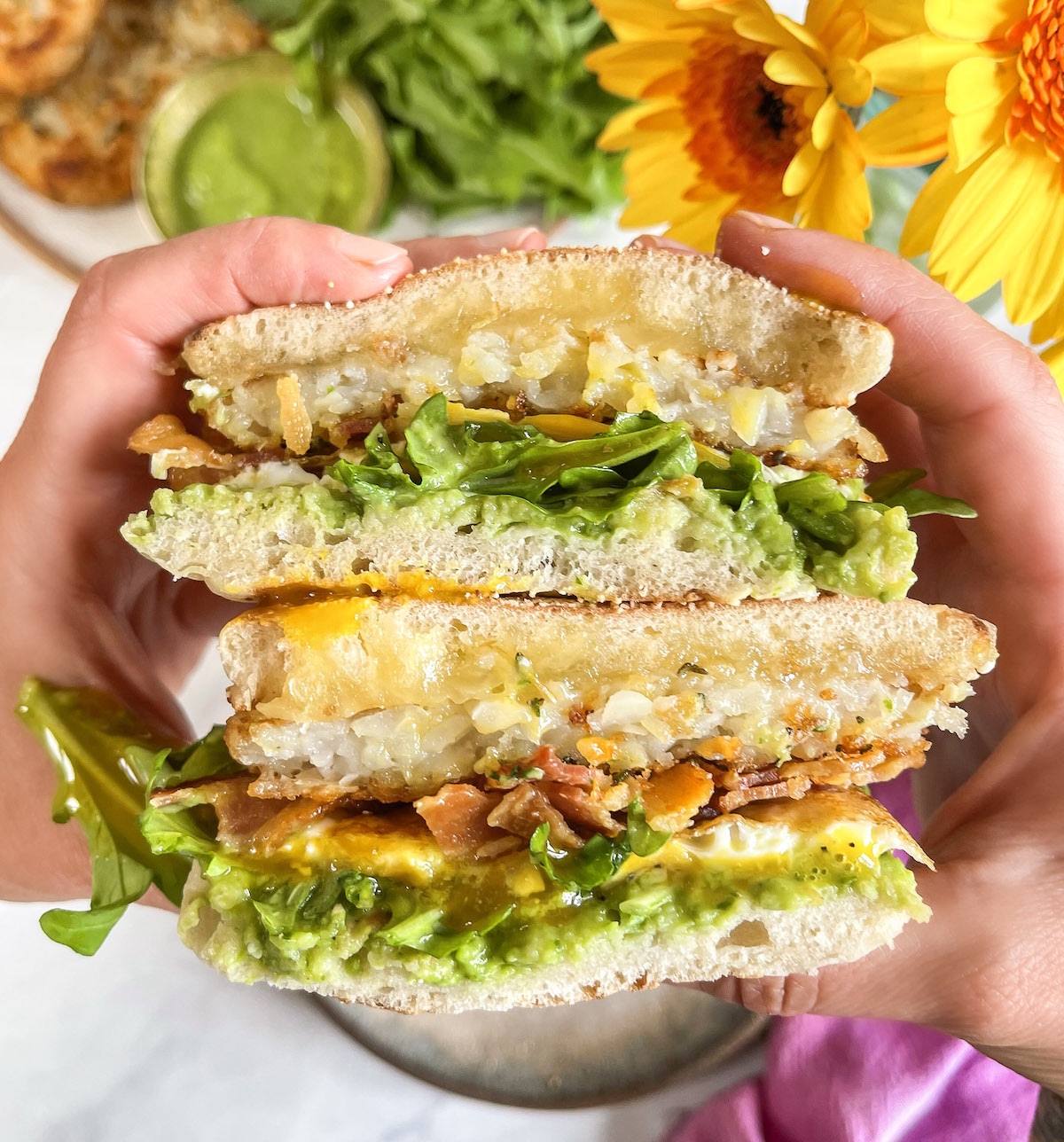
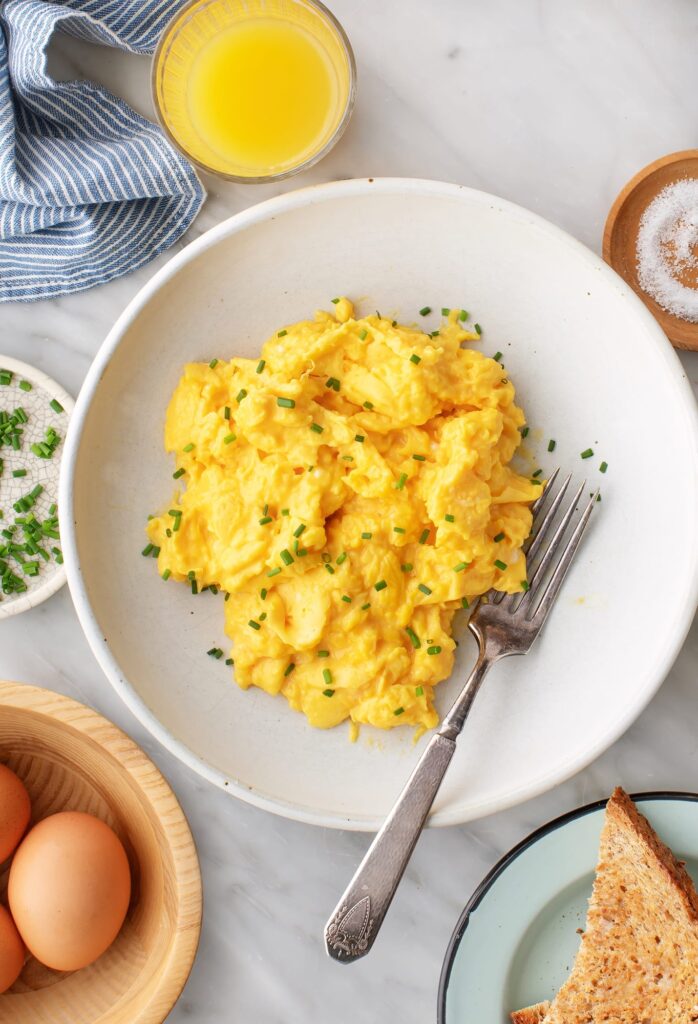
Hence, what is needed is a healthier version of the common breakfast options we consume by replacing the ingredients with nutritionally superior ones, which is still culturally acceptable and also modifies the method of cooking by adopting methods that require minimum oil and retain maximum nutrients. The original healthy macronutrient and micronutrient composition of the breakfast cereal/ millet/pulse should be left intact by keeping it reasonably unprocessed, unrefined and unmilled. For example, idli and dosa can be made healthier by ensuring the ingredients are less refined by using parboiled rice, or millet-based versions. Similarly, pohe maybe made of red rice or jowar flakes, upma made from coarse semolina and dalia/millet used as breakfast porridge instead of cornflakes. The combination is enhanced nutritionally by adding a pulse-based option to go with the cereal such as sambhar or skim curd. Pulse-based options can be also consumed as a choice at breakfast for example steamed whole moong/chana/matki sprouts accompanied with skim curd. An egg-white and or whole-egg preparation (depending on medical parameters) if boiled, scrambled, poached or an omelette made in minimum oil with spinach, is healthier than whole-egg fried with cheese.
A modification would not only upgrade the main breakfast option but also add in the missing protein component. The breakfast becomes a complete meal with a complex carbohydrate, plant or animal protein and correct quality of kindly fat used in the preparation of the meal. Apart from this, the upgrade facilitates better absorption of micronutrients as the grains are less processed and methods of cooking such as steaming, boiling, saute, grilling, baking are more efficient, thus preserving essential vitamin and minerals.
Thus, one must be mindful regarding the breakfast meal and consciously make it healthier to be able to support metabolism first thing in every morning.