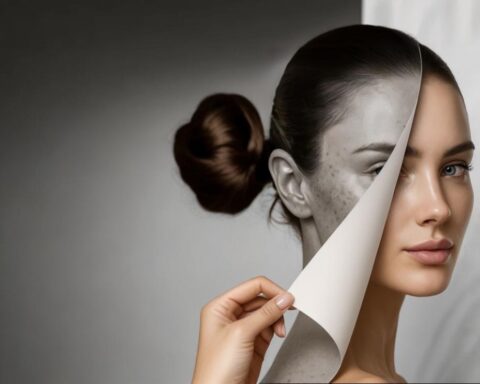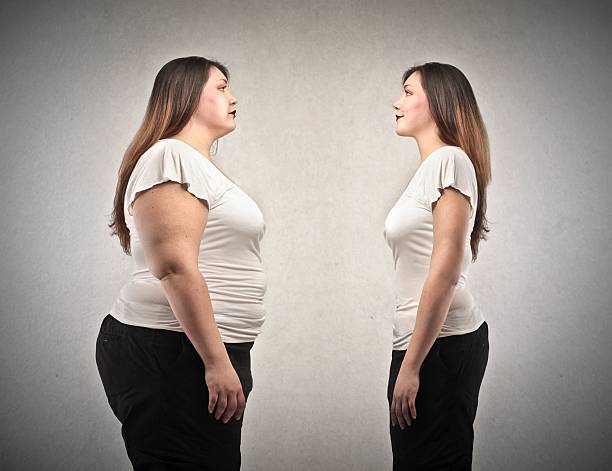
At some point in the last few years, the commentary around bodies didn’t disappear but it simply changed the tone. A person who once heard “you should lose weight” may be now you hear “don’t become too thin”. The direction reversed, but the attention stayed. What used to be fat-shaming has, in certain spaces, turned into fit-shaming, and between the two, the idea of health has become harder to hold onto.
For a long time, weight was treated as a visible measure of discipline. Thinness signalled control, weight gain signalled neglect. The cultural correction that followed, body acceptance and the rejection of unrealistic beauty standards was necessary. Yet social habits rarely dissolve completely. Instead, they redistribute. Today, effort itself is scrutinised. Exercising regularly can be labelled obsession. Watching portions can be called insecurity. Improvement requires explanation.
This shift has changed how people approach their own wellbeing. Decisions about food and movement are no longer private; they are interpreted. Someone trying to build stamina or reduce medical risk is often read through a social lens as vain, restrictive, or overly influenced. The conversation moves quickly from health to intention. Instead of asking whether a habit helps the body, people wonder how it will be perceived.

According to Dr. Niti Munjal, clinical nutrition and metabolic health expert at V6 Clinics, the change does not mean society has become less judgemental. It has simply altered what it reacts to. Earlier, individuals were criticised for being overweight. Now those focusing on fitness or weight loss may be judged for caring too much about it. In both cases, the commentary functions as a way to enforce a comfort zone and not necessarily to protect health, but to protect familiarity.
Constant observation shapes behaviour. When reactions are predictable, hesitation grows. Dr. Munjal notes that repeated remarks can affect confidence and emotional wellbeing. People begin to doubt their choices, feel anxious about standing out, and eventually lose motivation. Over time, this pressure discourages healthy habits because the outcome appears socially risky either way.

Part of the confusion comes from a persistent misunderstanding: the assumption that health is visible. In everyday conversation, thinness and fitness are used interchangeably, while larger bodies are assumed unhealthy. Medicine does not operate with that simplicity. Health is measured through markers such as blood sugar, cholesterol, blood pressure, body composition and cardiovascular capacity. A person may appear lean and still carry metabolic risk, while another with a heavier build may have stable markers. Appearance offers clues, but not conclusions.
When nuance disappears, social interpretation replaces medical understanding. Visible effort attracts attention, while invisible risk often passes unnoticed. The result is a culture where improvement invites commentary but deterioration may not.
Some patients hesitate to begin weight management or routine lifestyle changes because they anticipate reactions from family or peers. According to Dr. Munjal, this delay can postpone preventive care and worsen long-term outcomes. Health decisions become negotiations rather than priorities.
The transition from fat-shaming to fit-shaming suggests that the central habit was never really about weight. It was about regulating difference. Bodies that move away from the perceived norm in either direction draw response. Acceptance, in practice, often extends only as far as familiarity.
Health, however, is rarely dramatic. It is built through consistent sleep, moderate movement, balanced eating and gradual change. These shifts are subtle and often invisible, which makes them easy to overshadow by louder social narratives. Extremes are easy to comment on; maintenance is quiet.
When personal care requires social approval, clarity weakens. People stop trusting internal signals and begin reacting to external ones. The question shifts from what helps my body to what keeps me from scrutiny. In that space, health does not disappear, but it becomes harder to recognise and not because we lack information, but because we keep looking at each other instead of inward.
Also Read:
From Hospital Drips to Celebrity Wellness: Is IV Therapy Crossing the Line?
Can What You Eat Be Ageing Your Skin Faster?
Healing From Within: How Stem Cells Are Changing the Way We Treat Pain, Injury and Cancer