In a world where urgency has become a default setting and burnout, a badge of honour, calm no longer arrives organically. It has to be cultivated. Enter the 5-5-5 technique, a deceptively simple breathing ritual that’s fast becoming the nervous system’s most simple reset.
No crystals. No candles. No hour-long meditation required. Just fifteen seconds of deliberate breathing, repeated with intention, and the promise of coming back to yourself.
At its core, the 5-5-5 technique is about regulation. Not numbing emotions, not bypassing discomfort, but gently reminding the body that it is safe to soften.
What Exactly Is the 5-5-5 Technique?
“The 5-5-5 technique is a very simple regulation tool designed to interrupt stress, anxiety, or emotional overwhelm in the moment,” explains Dr Chandni Tugnait, Psychotherapist, Life Alchemist, Coach & Healer, and Founder & Director of Gateway of Healing.
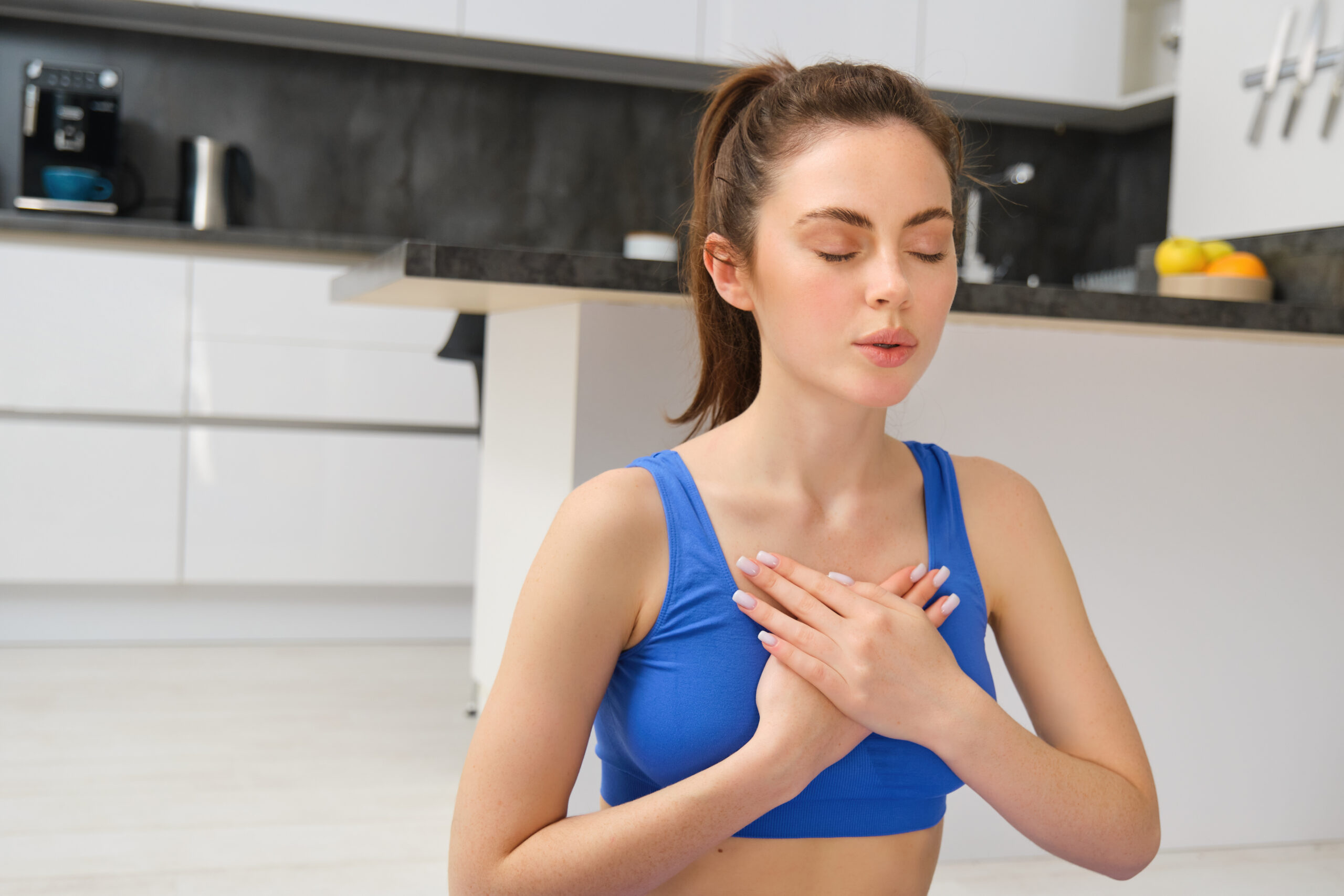
The practice follows a steady rhythm:
- Inhale slowly for five seconds
- Hold the breath for five seconds
- Exhale slowly for five seconds
This cycle is repeated five times.
What makes this technique powerful isn’t just the breath, it’s the structure. “When the mind feels flooded, it looks for something familiar and predictable,” says Dr Tugnait. “The 5-5-5 technique provides containment. It creates safety through rhythm.”
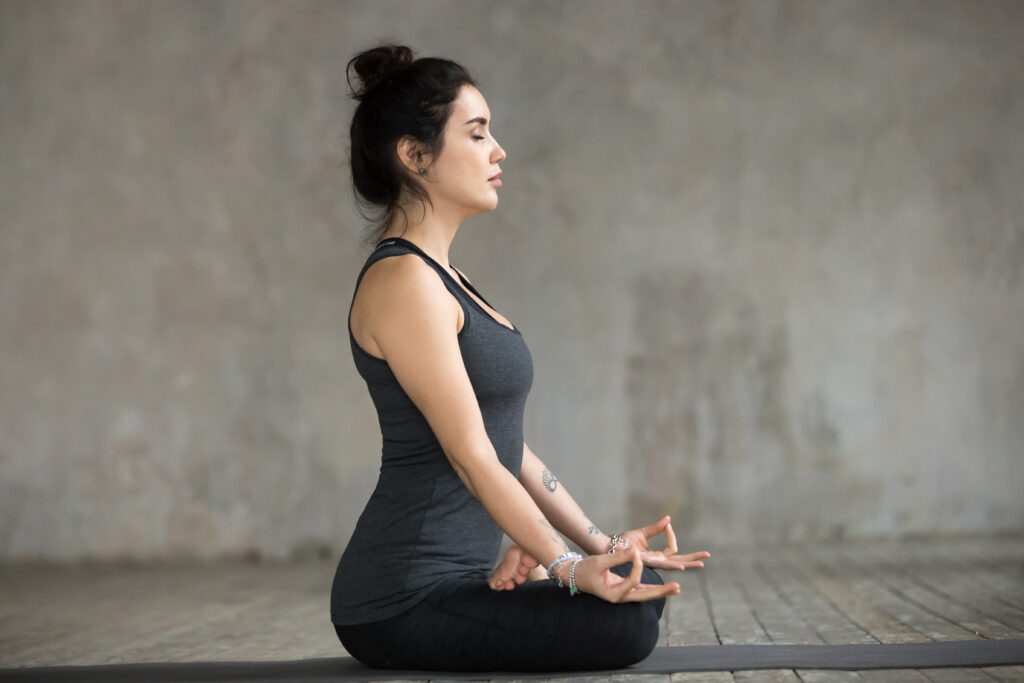
According to senior psychologist Neha Cadabam of Cadabams Mindtalk, the technique is rooted in polyvagal theory, helping the body move out of a fight-or-flight response and back into a parasympathetic, rest-and-restore state.
Some clinicians also use a sensory variation, naming five things you can see, hear, and feel, but the principle remains the same: pulling the brain out of threat mode and anchoring it in the present.
Why It Works
We’ve all tried to think our way out of anxiety, and failed. That’s because anxiety doesn’t start in the mind; it starts in the body.
“When stress spikes, your nervous system shifts into alert mode automatically,” explains Dr Tugnait. “Your heart rate increases, breathing becomes shallow, and the mind races. Logical reasoning rarely works because the body is leading the response.”
The 5-5-5 technique reverses that sequence.
The slow inhalation signals a shift away from urgency. The brief breath hold creates a pause, teaching the system that stillness is tolerable. And the extended exhale activates the parasympathetic nervous system, lowering stress hormones and allowing clarity to return.
Cadabam adds that paced breathing stimulates the vagus nerve, improving heart rate variability (HRV): a key marker of emotional resilience. Research published in journals like Frontiers in Psychology shows that structured breathing can reduce cortisol and muscle tension, often before the mind even realises it’s calming down.
In simpler terms: the body settles first, the mind follows.
The Benefits, According to Mental Health Experts
The appeal of the 5-5-5 technique lies in its quiet efficiency. It slips seamlessly into daily life, before a difficult conversation, during a workday spiral, or in the moments before sleep.
Key benefits include:
- Rapid nervous system regulation: By slowing the breath and extending the exhale, the technique signals safety before stress escalates.
- Improved emotional self-control: That brief pause between trigger and reaction strengthens your ability to respond thoughtfully rather than impulsively.
- Reduced mental overload: Counting anchors attention, preventing spiralling thoughts and catastrophic thinking.
- Greater tolerance for discomfort: The breath hold teaches the body that stillness isn’t dangerous, an important lesson for anxious minds.
- Unmatched accessibility: No setting, no preparation. It works in meetings, traffic jams, or while lying awake at 2 a.m.
- Long-term emotional resilience: With consistent practice, the nervous system learns to recover faster from stress, reducing the intensity of future reactions.
“It’s especially helpful for people who struggle with ‘thinking their way out of anxiety,’” says Cadabam. “Somatic regulation often comes before cognitive clarity.”
Are There Any Limitations?
Like all wellness tools, the 5-5-5 technique is not a cure-all.
“This method works best for mild to moderate emotional overwhelm,” says Dr Tugnait. “In cases of chronic anxiety, trauma, or panic disorders, breathing techniques alone are not enough.”
Some individuals may initially find breath-holding uncomfortable or anxiety-provoking. In such cases, experts recommend modifying the practice; shortening the hold or focusing only on slow exhalation.
There’s also the risk of over-reliance. “Using it as a quick fix without addressing underlying patterns can create temporary relief without long-term change,” Dr Tugnait cautions. “It’s a regulation tool, not a replacement for emotional processing, therapy, or lifestyle shifts.”
Research consistently supports this view: breathing exercises are most effective when paired with deeper therapeutic work such as CBT, trauma-informed therapy, or mindfulness-based interventions.
The Takeaway
The 5-5-5 technique works because it speaks the nervous system’s language: rhythm, safety, predictability. It doesn’t demand perfection or stillness. It simply asks you to pause.
In an era obsessed with optimisation, this practice offers something quietly radical: permission to slow down, even for a moment.
And sometimes, that moment is enough to change everything.