The first time it really stayed with me was a rasam-led cocktail at Amma Kai. It didn’t announce itself as experimental or clever. It just tasted familiar in a way that caught me off guard. Not long after, a Jimador at Mezcalita did something similar. Both drinks had restraint. One idea clearly led the glass, and everything else quietly followed. They stayed with me not because they were loud, but because they knew when to stop.
That confidence seems to be showing up more often at bars today. Cocktails are increasingly being built around one flavour rather than many. This isn’t minimalism for effect. It’s intent. A decision to trust a single note and let it carry the experience.
At Call Me Sofia, this idea begins with mood rather than method. For Harish Chhimwal, Lead Mixologist for the Olive Group, communicating intention has little to do with listing ingredients or walking guests through technique. Menu descriptions are short, precise, and ingredient-forward, but deliberately leave room for discovery. The finer details are meant to reveal themselves in the glass.
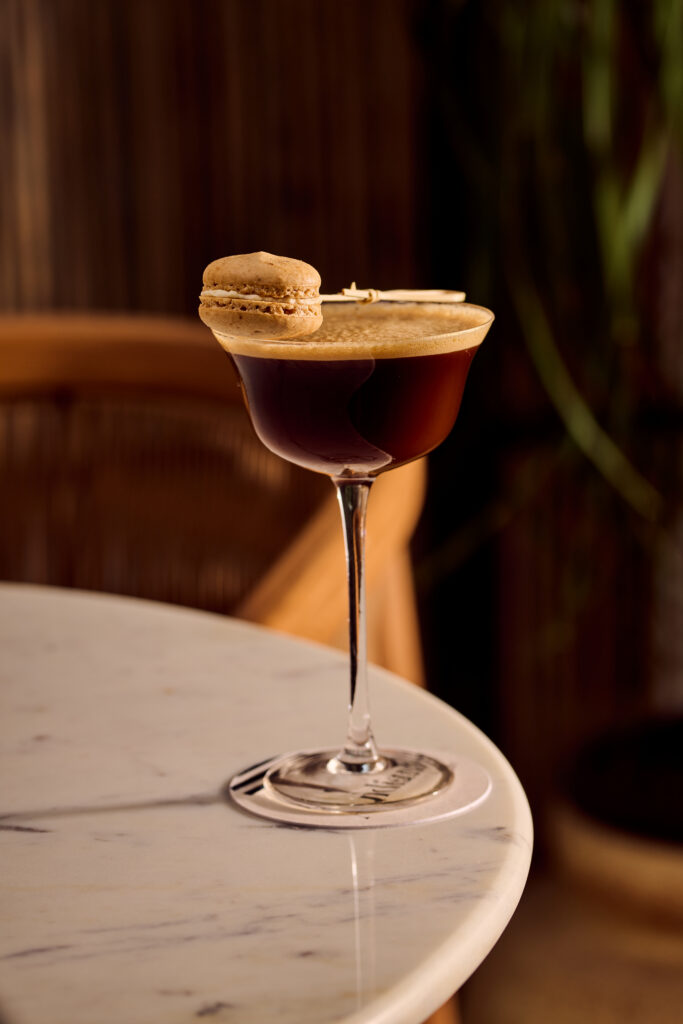
Take Breakfast in Bed. The drink was designed to capture the indulgence of a slow Italian morning. On paper, the description is crisp. At the bar, the experience shifts. The name sets the tone, while the macaron garnish provides a playful breakfast cue before the first sip. It’s breakfast turned aperitivo, comforting and indulgent, with just enough irreverence. Visuals and sensory cues do most of the talking, allowing the flavour to arrive without explanation.
When one flavour leads, Chhimwal believes precision is essential, but only as a starting point. A cocktail, he says, should feel like a good conversation. It begins with a clear point of view, but ends somewhere unexpected. Precision is what makes a guest pause. Surprise is what keeps them engaged. If the drink leaves behind a feeling after the glass is empty, it’s done its job.
That belief in feeling over explanation runs deep at Oxymorons. Founder Rehan Guha approaches flavour-led cocktails as characters rather than compositions. When a single ingredient leads, the intention has to be felt, not taught. That’s why the menu avoids technical descriptions and leans into emotion.
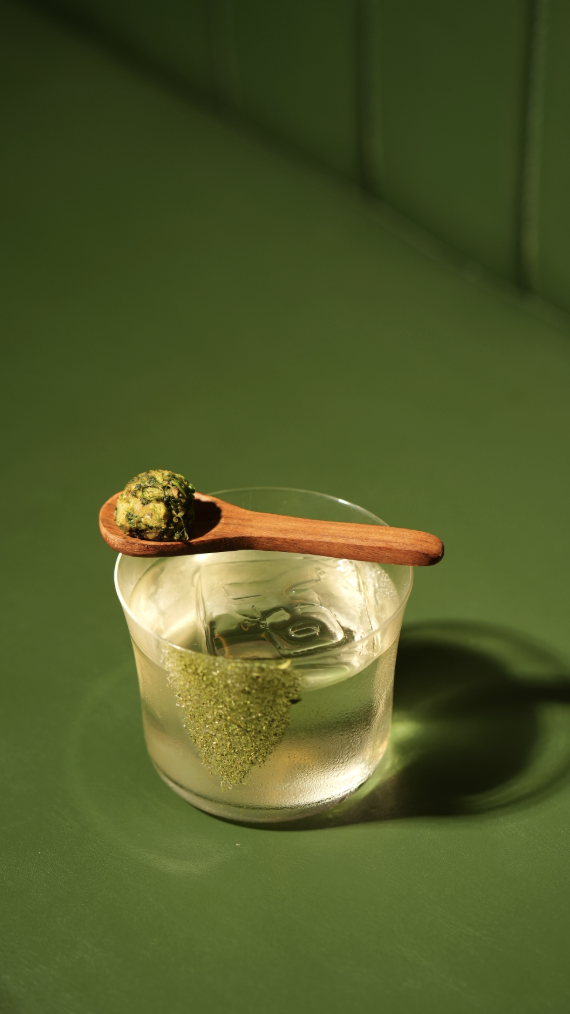
A drink like Random Order introduces itself with a line that sounds more like a joke than a tasting note: “Banana, soy, Okinawa sugar, and dark rum walk into a bar.” It signals curiosity and trust without breaking anything down. Cocktails like Clearly Misunderstood or Loud Whisper aren’t explained ingredient by ingredient. They’re framed as experiences. You sense whether a drink will be bold, comforting, or disruptive before you ever taste it.
Glassware, colour, garnish, ice, and aroma do most of the work. By the time the drink reaches the palate, the intention is already clear. Precision, Guha says, matters only to the extent that it allows feeling to land cleanly. Precision makes you notice a drink. Feeling makes you remember it. The best flavour-led cocktails linger just long enough to start a conversation after the glass is empty.
At Mezcalita, brand mixologist Sachin Yadav takes a similarly focused approach. Flavour-led cocktails here are narrative-driven. One ingredient sets the tone, and everything else exists to support it. Vamos Bananas, built around a peanut butter fat-washed mezcal, uses technique not to show off, but to capture richness and aroma without weight. Banana cordial and citrus don’t compete with the lead flavour. They frame it.
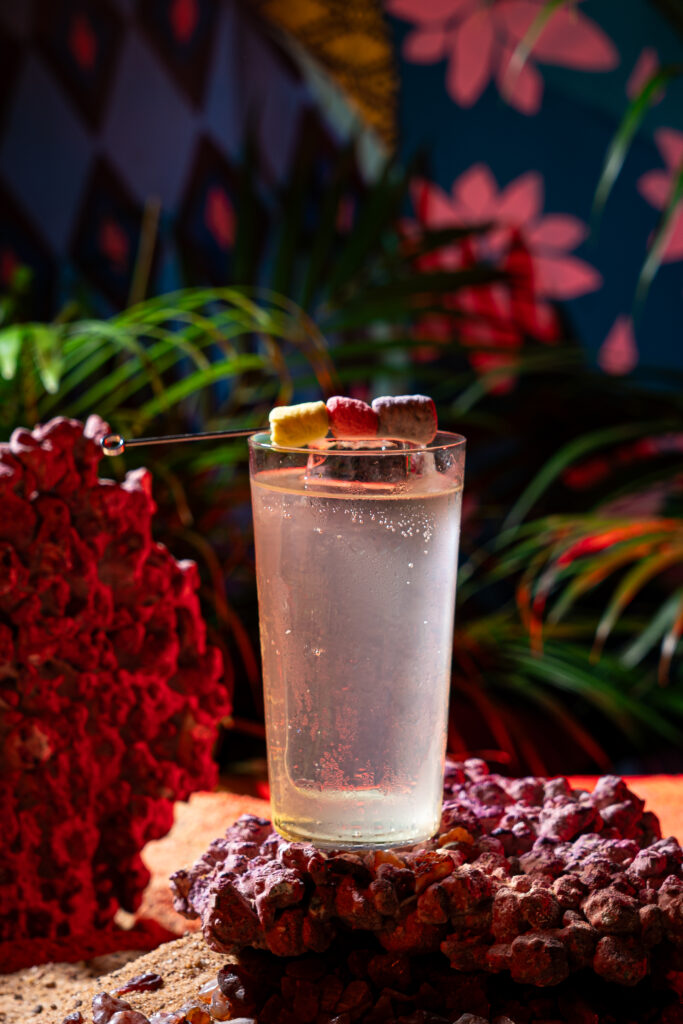
When introducing the drink, the explanation stays centred on intent rather than process. On the palate, the goal is clarity first, comfort later. A clear opening note followed by a finish that stays with you longer than expected.
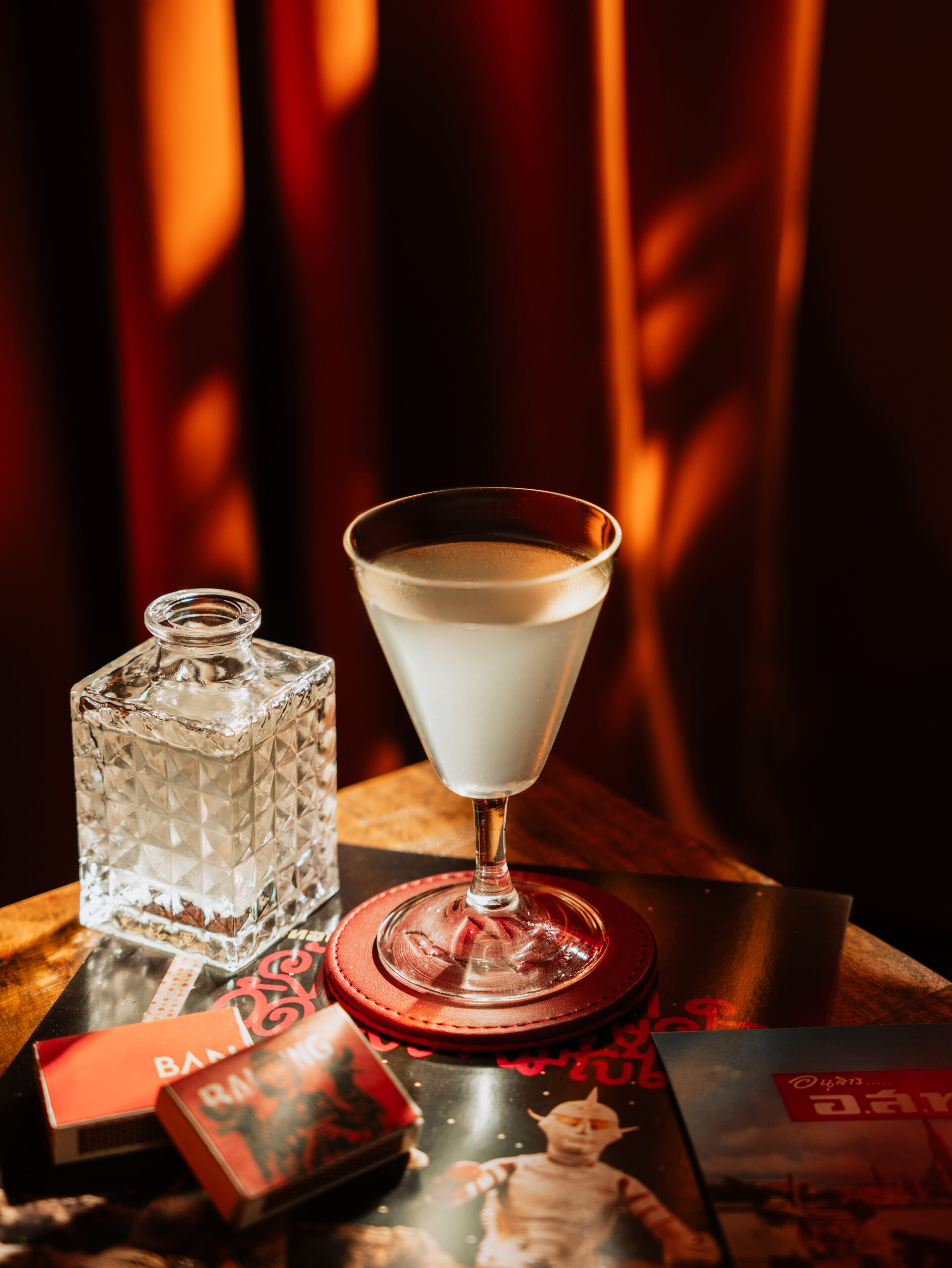
That balance between precision and memory also defines the cocktail programme at Banng in Gurgaon and Mumbai. According to Jones Elish, Assistant Vice President of Beverage Operations, the bar draws inspiration from Bangkok’s instinctive relationship with flavour. Drinks are built around contrast: sharp and soft, fresh and warm, bold yet balanced.
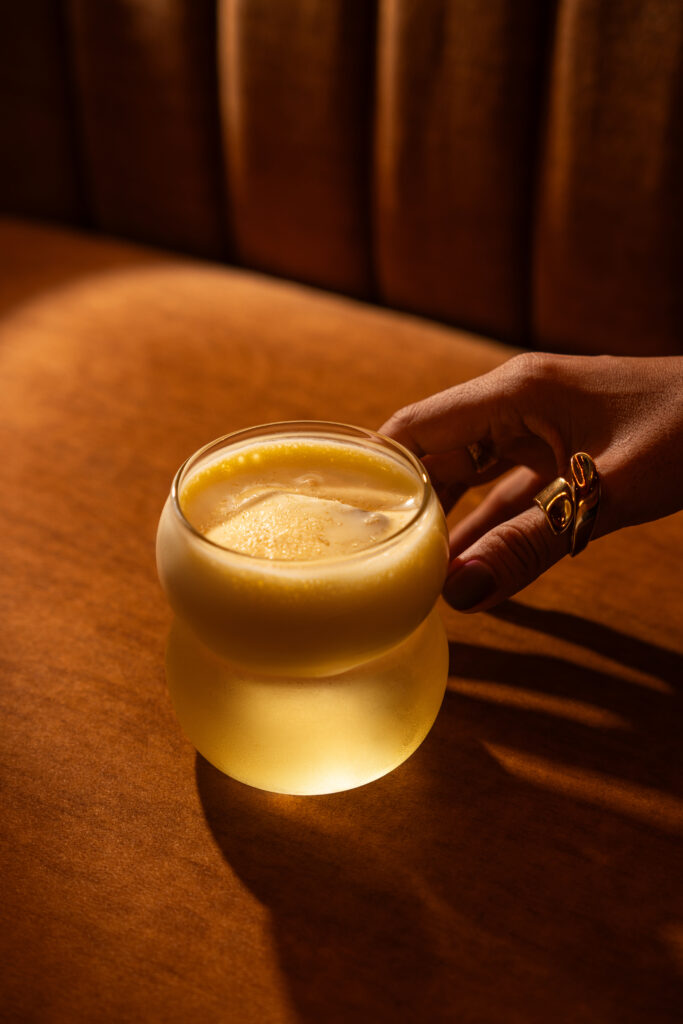
Menus offer subtle cues through a key ingredient, a mood, or a familiar Thai flavour memory. Conversations avoid technique and stay focused on sensation. Brightness from citrus. Depth from spice. Comfort from richness. Over-explaining, Elish notes, takes away surprise, and surprise is central to how these drinks are meant to be experienced.
What connects these bars isn’t a shared style or ingredient list. It’s restraint. A willingness to let one flavour lead and trust it to carry the experience.
As cocktails continue borrowing from the kitchen through spice, fermentation, and regional memory, the bar is becoming less about spectacle and more about confidence. One flavour steps forward. Everything else listens.
And maybe that’s where Indian cocktail culture is finding its footing. Not in how much goes into a drink, but in knowing when one flavour is enough.