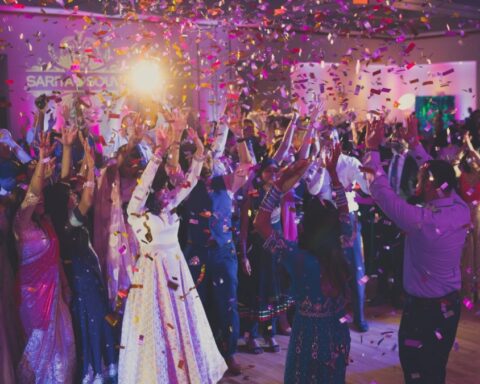
On weekend evenings across metros, something unexpected is unfolding: a rising tribe of twenty-somethings trading club nights for collective consciousness. The “Gen Z Bhajan Party” isn’t a meme, nor is it a rebellion—it’s a recalibration. A new social ritual where spirituality meets social currency, quietude meets community, and sacred mantras now live on the same playlist as indie pop.
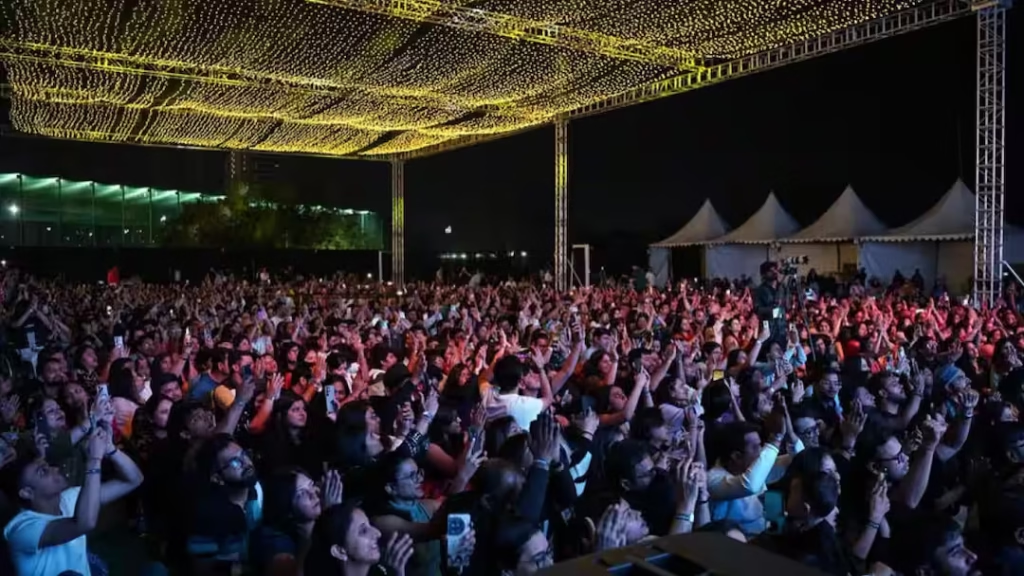
The shift is cultural as much as emotional. After a decade shaped by hustle culture, climate anxiety and attachment issues Gen Z is trying to self-regulate through experiences that feel grounding. Their solution is surprisingly ancient: singing devotional chants together, barefoot, phones on silent, in living rooms lit only by fairy lights and incense. These gatherings run like soft rave-meets-satsang hybrids—sound bowls warming up the room, harmoniums replacing DJ decks, and friends sitting in circles rather than queues outside clubs.
Instagram is filled with snippets: a group of friends singing “Om Namah Shivaya” in harmonies, someone playing the cajón, a quiet moment before the next chant. Unlike the older generation’s temple-led approach, this form is decentralised, aesthetic, and highly personal. Here, spirituality is not inherited but it’s curated.
Bhajan parties have become the new collective therapy. People who struggle to talk about their mental health are finding it easier to chant together than to vent. Group singing synchronises breath and heart rate; neuroscientists say it can trigger oxytocin release, lowering stress and deepening connection.
A spiritual influencer who hosts weekly chant circles says, “This isn’t about religion, it’s about resonance. People come because they want to feel held.” The sentiment echoes what we’re hearing across cities—from Pune’s terrace kirtans to Bengaluru’s candle-lit Krishna jams. The vibe is intimate, inclusive, and gently ecstatic.
More than a trend, the bhajan party marks a generational reset. It’s not about rejecting nightlife; it’s about rewriting it with meaning. Where club culture chases a high, this subculture searches for harmony. Where binge weekends leave people drained, these gatherings leave them soft, calm, and strangely restored.
If millennials popularised house parties, Gen Z may just popularise soul parties. And this time, the afterglow stays longer.