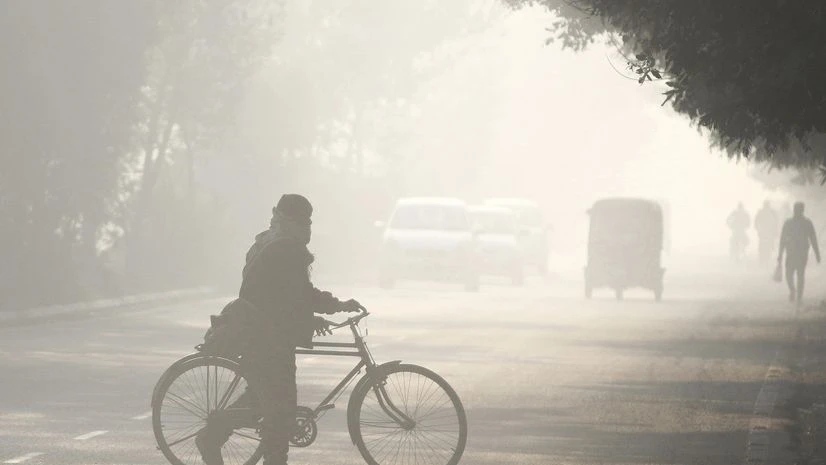
For many urban Indians, winter is the season to finally fall back in love with fitness. The cooler air feels energising, the mornings are quieter, and sunrise workouts seem more manageable than they do in the scorching months. But this year, as AQI levels across cities continue to rise, the ritual of the early morning run has quietly become one of the most harmful things you can do for your lungs.
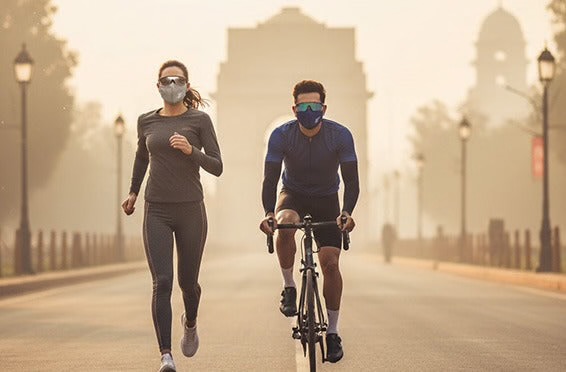
The problem isn’t the running — it’s the timing.
During winter, India’s big cities experience what scientists call a temperature inversion: cold air settles close to the ground while warmer air rises above it. This acts like a lid that traps pollutants — PM2.5, smoke, dust, and industrial emissions, right at breathing level. Since wind speeds are lowest at dawn, the pollution is at its densest just when most people step out for their jog.
“When you run, your breathing rate increases almost threefold,” says Dr Avya Bansal, Cardiologist & Pulmonologist, Mumbai. “In high AQI conditions, this means you are inhaling far more particulate matter, and much deeper into the lungs. Winter pollution penetrates the airways quickly and can trigger inflammation, breathlessness, and long-term damage even in healthy adults.”
This is why the classic winter morning run often ends with an unusual tightness in the chest, a dry cough, or a slight heaviness that lasts through the day. These symptoms are often mistaken for “winter allergies” — when in reality, they are early signs of pollution-induced stress.
Fitness experts and pulmonologists now recommend a shift in mindset: exercise in winter, yes — but smarter. The safest window to step outdoors is usually between late morning and early afternoon, when sunlight disperses pollutants and improves AQI by 20–30%. For those tied to morning routines, indoor workouts — from treadmill runs to HIIT circuits — are a far healthier alternative.

Breathwork adds another layer of protection. Even five minutes of Bhramari, box breathing, or slow alternate-nostril breathing can open the airways before exercise and reduce inflammation after. Pairing this with warm liquids, ginger infusions, and nasal steam helps the respiratory system recover from daily exposure.
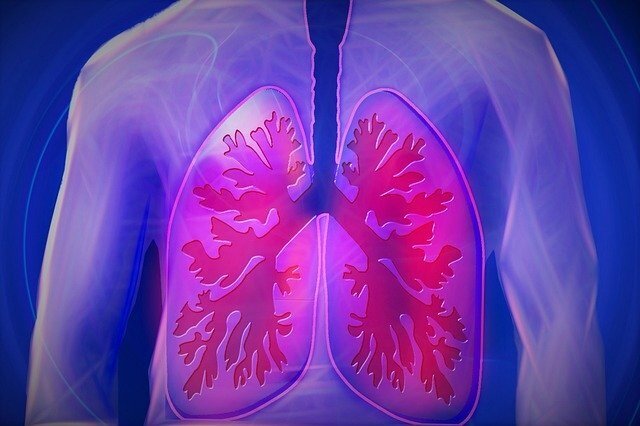
Winter wellness now demands more than cozy rituals and immunity boosters. It demands lung-aware living. The idea isn’t to give up movement, but to reimagine it — to respect that breath can be both healing and vulnerable. In a season where the air can work against you, protecting your lungs becomes the most essential part of your fitness routine.