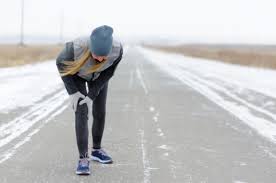
If winter mornings make your body feel older than it is, you’re not imagining it. That familiar stiffness when you get out of bed, the heaviness in your knees, or the dull ache in your shoulders isn’t always arthritis or a serious joint issue. For many people, it’s simply how the body responds to cold.
Even without a diagnosed condition, winter triggers a few physiological shifts that can make everyday movement feel harder than usual.
Why Winter Makes You Stiff
1. Your joint fluid thickens
Inside every joint is synovial fluid, a lubricant that allows bones to move smoothly against each other. In warmer temperatures, this fluid stays thin and slippery. Cold weather makes it more viscous, increasing friction inside the joint. Until movement generates heat, joints can feel heavy, slow, and resistant.
2. Blood flow is redirected
To protect vital organs, the body naturally reduces blood flow to the extremities in cold weather. This process, known as vasoconstriction, means less warmth and oxygen reach muscles, tendons, and joint surfaces. The result is tightness, reduced flexibility, and that familiar “locked” feeling when you first start moving.
3. Changes in air pressure affect tissues
Winter often brings lower barometric pressure. When pressure outside the body drops, soft tissues around joints—muscles, tendons, and even old scar tissue—can expand slightly. Within the tight space of a joint, even minimal expansion can cause a dull ache or pressure-like discomfort.
According to Dr Pallavi Singh, Physiotherapist at Stride Podiatry, the key to managing winter stiffness isn’t rest, but circulation. “The goal is to keep joints warm, hydrated, and moving so the body can restore its natural lubrication,” she explains.
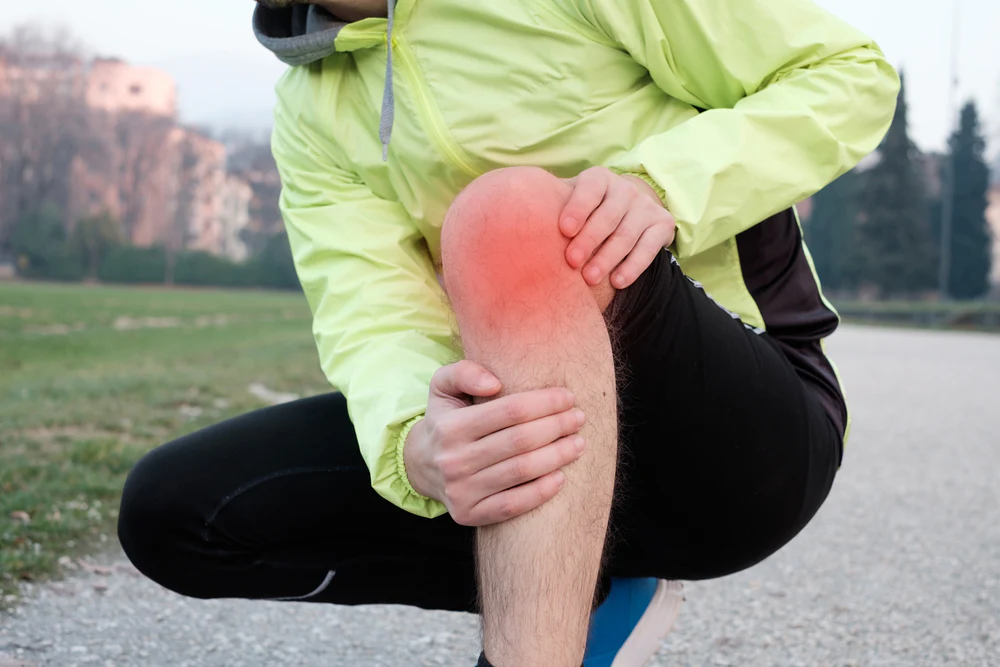
The 5-Minute Morning Flush
Before stepping out of bed, a short movement routine can help “wake up” your joints:
- Ankle rotations: 10 slow circles in each direction to stimulate blood flow to the extremities.
- Knee-to-chest hugs: Pull one knee toward the chest, hold for three seconds, then switch. This mobilises the hips and lower back.
- Wrist and finger movements: Open and close your fists rapidly about 20 times to counter winter stiffness in the hands.
These gentle movements warm the synovial fluid before weight-bearing begins.
The Hydration–Heat Rule

Winter often reduces thirst cues, but hydration is critical for joint health. Cartilage is made up of nearly 80 percent water, and dehydration can make joint fluid thicker and less effective. Layering for warmth matters too. Covering joints such as knees, wrists, and ankles helps maintain local circulation. If a joint feels particularly stiff, a short heating pad session can improve mobility before activity.
Why Sitting Makes It Worse

Sedentary work amplifies winter stiffness. Sitting for long periods slows circulation, allowing muscles to tighten further. A simple hourly habit can help. Standing calf raises activate the calf muscles, which act as a pump to push blood back toward the heart, improving overall circulation and reducing lower-body stiffness.
Stretch Smarter in the Cold

Cold muscles are more vulnerable to strain. Instead of holding long stretches first thing in the morning, opt for dynamic movements like arm circles, gentle torso twists, or marching in place. These movements generate internal heat and prepare muscles for more sustained activity.
If pain is persistent, sharp, worsening, or associated with swelling, numbness, or weakness, it may indicate an underlying issue that requires professional assessment.
Winter stiffness is often your body’s way of asking for warmth, hydration, and movement—not complete rest. Listening to those signals can make the season far more comfortable, and keep aches from becoming long-term problems.