We arrive in St Gallen on a crisp October morning. The journey has been long, winding through hairpin turns framed by unending views. But today, as we stand amid the city’s most imposing beauties—formidable cathedrals, strong Alpine winds, pastel façades—our tour guide beckons us to slow down and zoom into the details. Why? Because St Gallen’s most treasured gift to the world has not been its pristine landscapes or ancient architecture, but a delicate embroidery that took the fashion world by storm in the 1900s.
Embroidery’s Ascent
St Gallen is a quaint Alpine town just an hour out of Zurich. We’re here for a stop along the Grand Tour of Switzerland, a 1,643km journey that connects the country’s most iconic locations for an immersion into local culture. Our bus passes the stunning Lake Constance mirroring the sky at the edge of the city, and it’s in the Old Town that our tour begins into the city’s textile history.
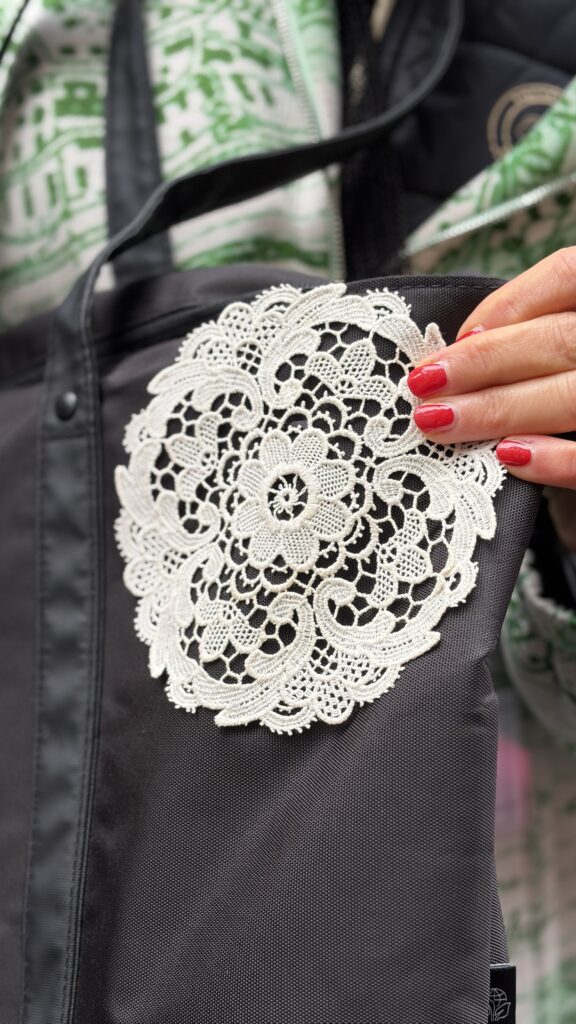
While the abbey-town’s origins reach back to the hermit Saint Gallus in the 7th century, its fame in textile craft emerged much later. Long before the lacey embroidery I feel in my hand today, flax cultivation here gave rise to a thriving linen trade. Then came cotton, then embellishment, and finally the whir of embroidery machines.
Lace is made from pieces of thread, while embroidery is made with thread needled onto a piece of cloth. The lace from St Gallen that caught on was actually a special type of embroidery. “It was invented by a merchant who realised that that if plant-based thread [like linen] was etched on animal-based cloth [like silk], then one could soak it into an alkaline solution and the silk behind the embroidery would disappear, leaving behind only the delicate threadwork that resembled lace,” shares our tour guide Katrin Paganini.
From Sketch to Silk: How the St Gallen Embroidery is Made
The invention of the embroidery machine in 1828 transformed the industry even further, adding volume to artistry. By the late 19th century, St Gallen was catering to about 50% of the world’s demand for embroidery. Fabrics bearing the town’s signature technique, called guipure or broderie anglaise, found their way to Parisian salons and royal wardrobes. The handicraft was delicate, fabulous and different from anything the world was used to.
In 1922, Alice Kriemler Schoch started an atelier for aprons made from this famous St Gallen cotton and embroidery. What began as local craftsmanship was becoming a global luxury now—worn by queens, showcased on runways and treasured for its incomparable finesse. Alice’s son joined the company and named it Akris, a name that today resonates with haute couture as the luxury fashion house continues to take over global runways.
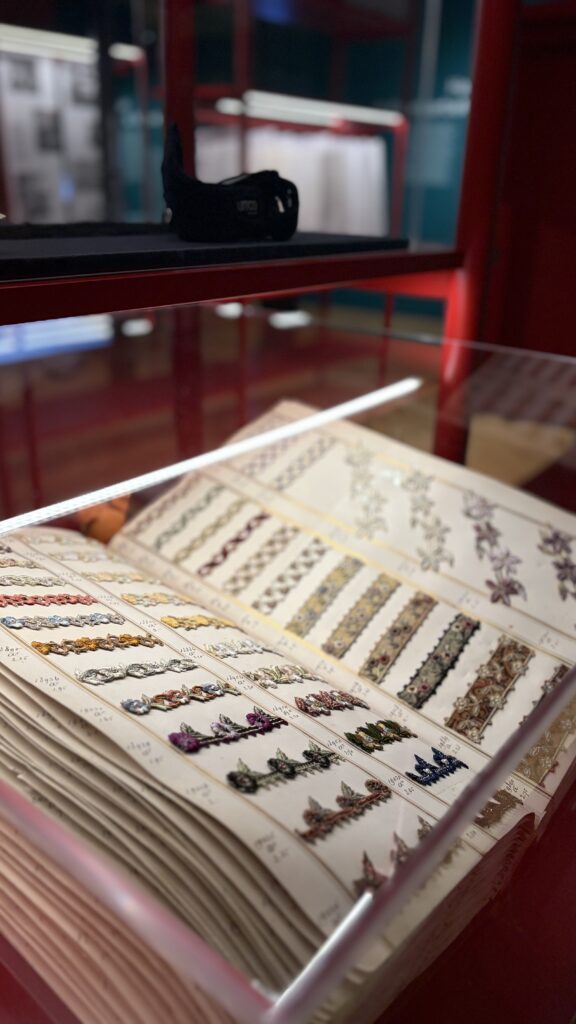
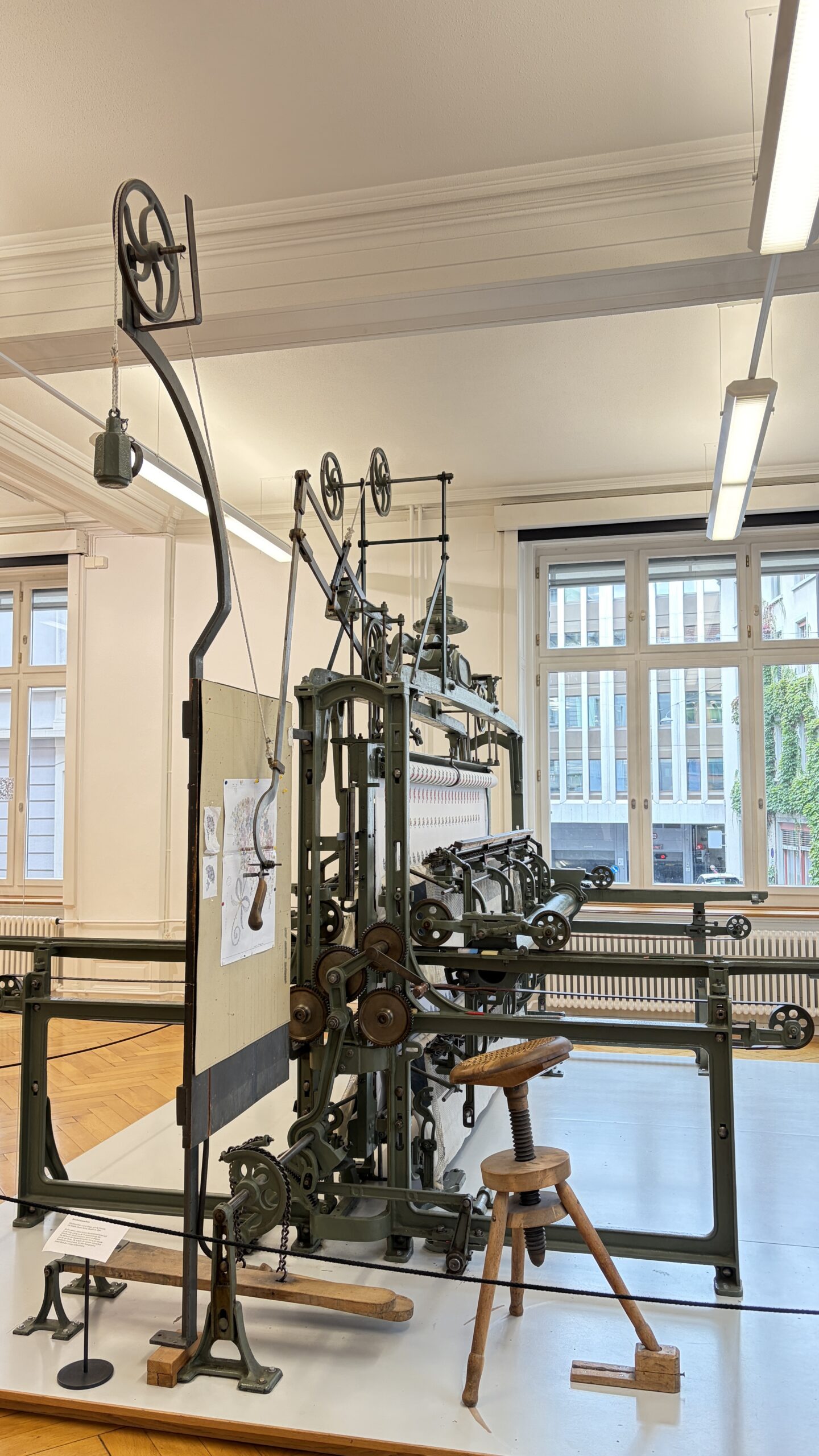
The embroidery’s success has not been luck, but a careful meditation on a process that commands attention. Lace motifs—often inspired by historic needle-point and Venetian patterns—are first sketched by hand. Once finalised, hundreds of needles on a machine stitch them onto base cloths, creating openwork and relief designs that seem to float on air. “The design on the machine is enlarged six times to what actually shows up on the cloth,” Katrin shares. Despite the intricate method and limited outputs, the St Gallen embroidery can be spotted everywhere across the world. It’s been worn by Michelle Obama and Queen Elizabeth, and remains a staple in several designer collections. Specialised textiles used in sports uniforms, sailing boats and medical gear are also exported from Switzerland.
The Textile Museum
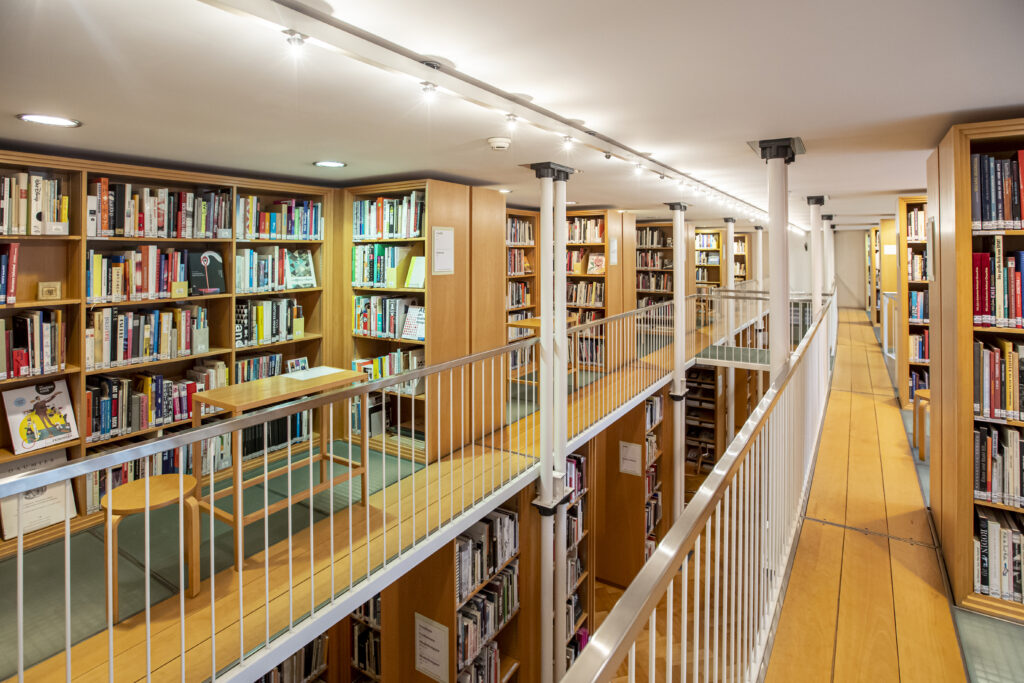
The Textile Museum of St Gallen preserves the soul of this handcrafted legacy. Originally founded as a textile sample collection in the 19th century, it now holds more than 56,000 objects, from ancient Egyptian fragments to contemporary couture pieces. Each chapter in the city’s history is told through sample books, garments and archival photographs.On the ground floor sits a smaller version of the original embroidery machine, used to teach artisans the mechanism behind it. There’s also a textile school, a library and an event space on the premises. With one of the most significant textile collections in Europe, the museum itself is a design junkie’s dream come true. A couple of special exhibitions are set up each year to complement the permanent exhibition on the history of textiles in eastern Switzerland. The ongoing exhibit, Collecting Fashion. From T-Shirts to Haute Couture, traces the passion that drives collectors in the world of fashion.