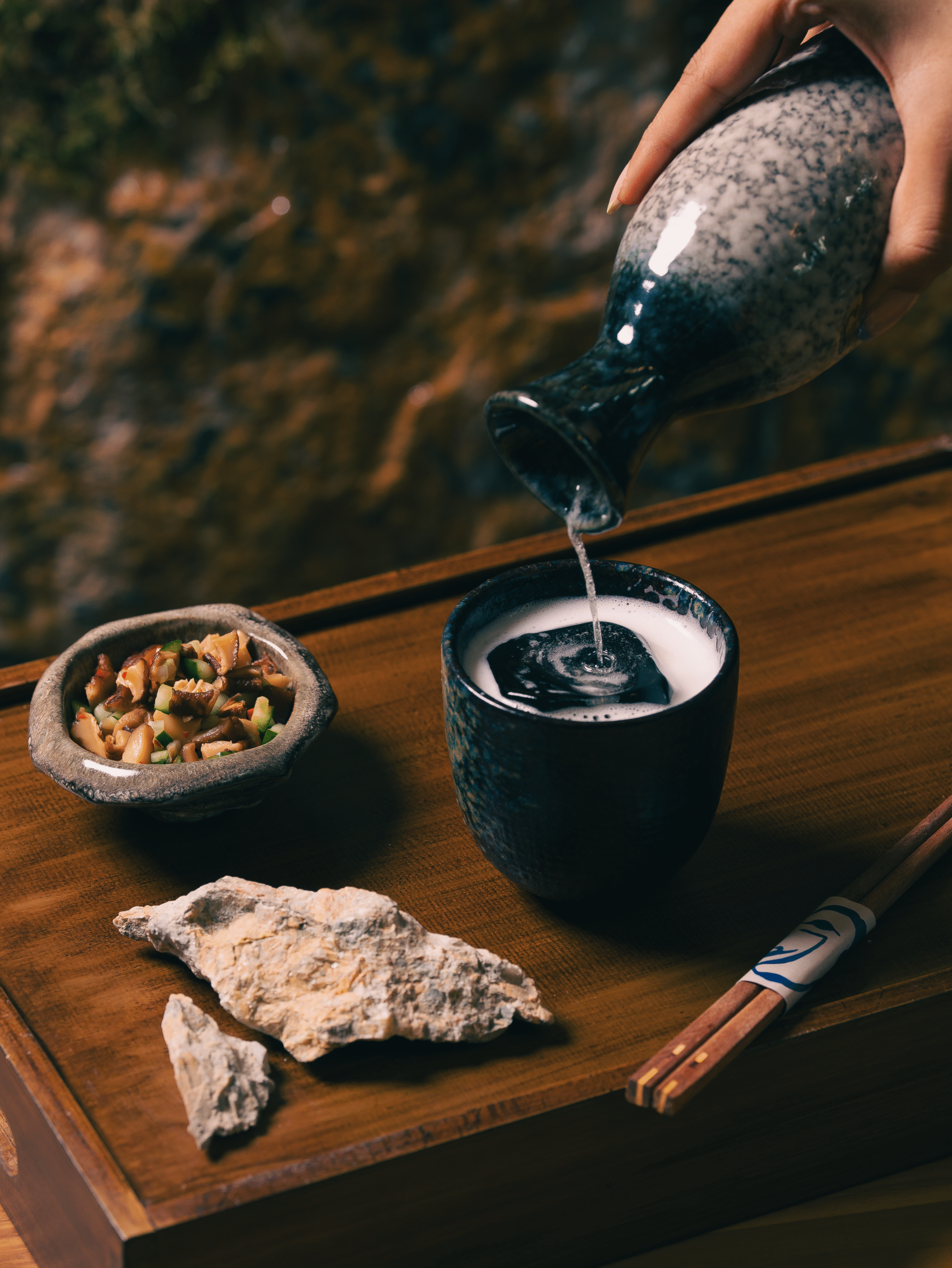
From fat-washing and coffee to Indian botanicals and familiar local flavours, bartenders are turning the century-old Italian cocktail into a playground for experimentation. The challenge? Making it different without losing the Negroni underneath.
There are few cocktails as recognisable as the Negroni. Equal parts gin, Campari and sweet vermouth, stirred and finished with an orange peel, the drink has spent more than a century building a reputation around its bitter, spirit-forward personality. But every September, bartenders around the world seem to collectively ask the same question: what happens if we mess with it?
Negroni Week, which runs from September 21 to 27 this year, has become less about simply ordering the classic and more about seeing how far bartenders can stretch its boundaries. The 2026 edition spans more than 90 countries, with international guest shifts and collaborations becoming a major part of the programme.
India, meanwhile, is developing its own answer to the Negroni question. Across Mumbai, Bengaluru, Delhi and other cocktail cities, bartenders are experimenting with Indian ingredients, contemporary techniques and local flavour profiles while attempting to preserve the character that makes the original instantly recognisable. Recent menus feature everything from cacao, fig and toasted coconut to tandoor-charred pepper, pandan and coffee.
For Guruprasad Tripathy, Head Mixologist at Slink & Bardot, that adaptability is precisely what makes the cocktail so compelling. “The Negroni is already a very balanced cocktail, but that’s exactly what makes it so interesting to bartenders,” he says. At Slink & Bardot, the AeroPress Negroni uses a different extraction technique to layer flavours while retaining the essence of the original.
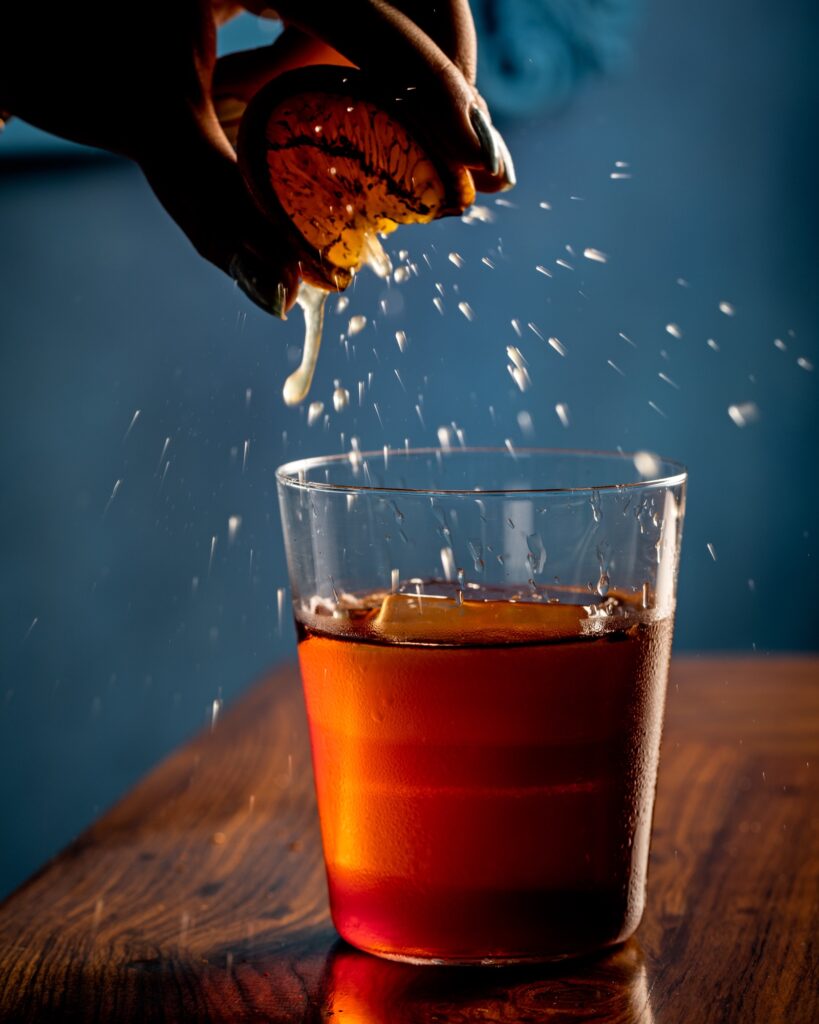
That idea of reinvention without erasure runs through almost every conversation with India’s bartenders. Manoj Singh Rawat, Head Mixologist at Let’s Kiss, describes the Negroni as a drink with a simple structure but considerable complexity: bitterness, sweetness, botanicals and spirit character all leave room for experimentation. The objective, he says, is to understand why the classic works before deciding how far to take it.
The Indian ingredient conversation is therefore becoming less about simply “Indianising” a cocktail and more about localisation with purpose. Mohit Badh, Beverage Manager at Call Me Ten, New Delhi, believes the starting point should always be flavour. India’s spices, botanicals and aromatics can naturally complement the bitter, herbal profile of a Negroni, but the ingredient should earn its place in the glass.
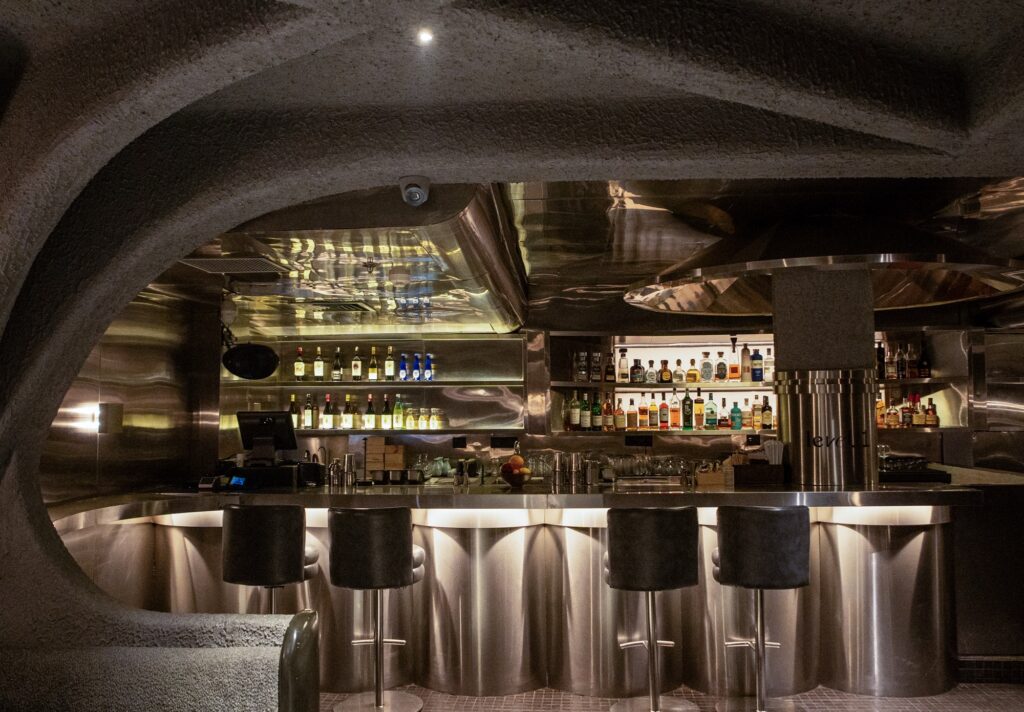
That distinction matters because there is a fine line between interpretation and gimmick. Jeet Rana, Co-Founder of Barbet & Pals, calls the Negroni “almost like a blank canvas,” but argues that every ingredient needs a purpose—whether it contributes flavour, aroma, bitterness, texture or changes the way the cocktail is experienced. The goal, he says, should be “to make a better drink, not just a more Indian-looking drink.”
At Call Me Sofia, Mumbai, Lead Mixologist Sreerag Nambiar takes a similar view. For him, the classic is the compass. You can bend the rules, but you need to understand what you’re bending first. That philosophy is increasingly visible in India’s cocktail scene, where technique is becoming as important as the ingredient itself.
Take AER at Four Seasons Hotel Mumbai, where the 2026 menu draws from Indian craft. One interpretation rests a bourbon-based cocktail overnight in a butter-seasoned earthen clay pot, while another combines gin, Campari and cold brew coffee. At Copitas in Bengaluru, a tandoor-charred bell pepper Negroni and a pandan, cacao and coffee interpretation push the same idea further through smoke, infusion and ageing.
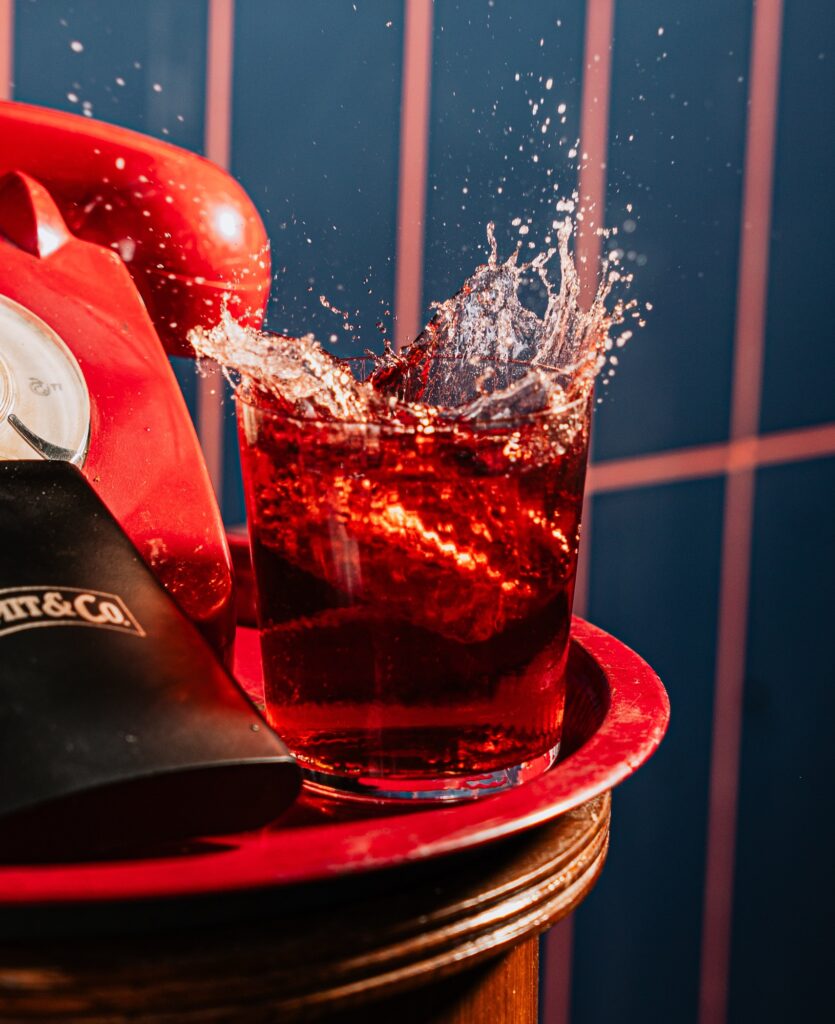
Aditya Hegde, Founder of Permit & Co, approaches localisation from another angle: accessibility. His Smuggle My Negroni uses strawberries and a virgin coconut-oil fat wash to soften the bitterness and texture of a traditionally acquired-taste cocktail. The intention isn’t simply to make it Indian; it is to give guests a more approachable entry point into the Negroni style.
And perhaps that is where the contemporary Negroni is headed. Not away from the classic, but around it.
The original remains the benchmark. “The classic is the compass,” says Rana. Tripathy similarly prefers beginning with the original ratio before introducing technique or additional flavours. Badh describes the equal-parts combination of gin, Campari and vermouth as timeless, while Hegde argues that if the bitter, boozy, spirit-forward character disappears completely, you may no longer be drinking a Negroni at all.
This is what makes the current Indian Negroni moment interesting. It isn’t simply about adding chilli, spice or a regional ingredient and calling the result innovative. It is about a generation of bartenders asking how a global classic can absorb local flavour without losing its identity.
The Negroni may have been born in Italy. But in India, it is increasingly becoming a conversation about technique, terroir, accessibility and the freedom to reinterpret a classic, without forgetting what made it classic in the first place.