Doctors are seeing more breast cancer diagnoses among women in their 30s and early 40s, raising questions about early detection, genetic risk and why being young is no longer a reason to dismiss a symptom.
Breast cancer is often associated with a stage of life most women in their 20s and 30s don’t think about just yet. Between building careers, navigating relationships and planning their futures, cancer screening may not be high on the priority list. But what happens when a disease traditionally associated with older women enters the picture much earlier?
Doctors are increasingly reporting breast cancer among younger women, including those in their 30s and early 40s. The question, however, is whether the disease is genuinely becoming more common in younger age groups, whether improved awareness is helping identify more cases, or whether several factors are at play. The distinction matters because recognising a trend is one thing; understanding what it means for younger women is another.
According to Dr. Sonali Maniar, Consultant – Radiology, Fortis Hospital Mulund, cancers are no longer restricted to older age groups. She notes that while certain cancers have historically occurred in younger people, breast, ovarian and colorectal cancers are also being seen in younger populations. Within breast cancer, she says, doctors are seeing more patients in their 30s and early 40s.
One of the challenges is that routine breast cancer screening is not generally recommended for every woman below 40. Consequently, younger women may first seek medical attention after noticing a lump rather than through a routine mammogram. Dr. Maniar observes that younger patients often present with a palpable lump, although she has also noticed that younger women can be more aware of symptoms and quicker to consult a doctor than some older women, who may be reluctant to seek medical attention.
This creates an important distinction: greater awareness can help women seek care sooner, but it does not, by itself, prove that breast cancer is becoming more common among younger women. Establishing that trend requires age-specific incidence data over time, alongside an understanding of changes in detection, risk factors and access to healthcare.
The problem with thinking you’re too young
One of the biggest risks in conversations about breast cancer is assuming that age offers complete protection. A woman in her 30s may be less likely to suspect cancer when she notices a change in her breast, particularly if she has no family history of the disease.
But age alone cannot rule it out.
Dr. Maniar notes that younger patients may present with more aggressive cancers. However, breast cancer is not a single disease, and its behaviour varies according to tumour biology, molecular subtype and stage at diagnosis. Not every breast cancer in a younger woman is aggressive, just as not every cancer diagnosed later in life is slow-growing.
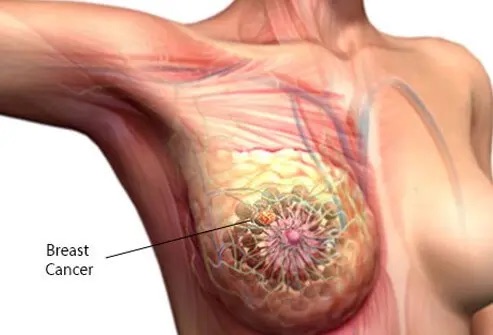
The practical takeaway is not to panic over every bodily change, but to avoid dismissing a persistent or unusual symptom simply because of age. A new lump, changes in breast shape or size, skin dimpling, nipple inversion or unusual nipple discharge warrant medical assessment. Many breast changes are benign, but a healthcare professional is best placed to evaluate them.

Screening and symptom evaluation are also different things. A woman who has no symptoms may not need routine mammography at a younger age, depending on her risk profile and applicable guidelines. A woman who notices a suspicious change, however, should not wait until she reaches 40 to have it assessed.
The genetic question: what does BRCA actually mean?
Age is only one part of the breast cancer risk conversation. Genetics can also play a significant role, particularly for women with a strong family history of breast or related cancers.
Dr. Antony Pias, Surgical Oncologist and Breast Oncology Specialist at Even Hospitals, explains that genetic testing may be appropriate for people with a personal or strong family history of breast, ovarian, pancreatic or prostate cancers, particularly when diagnoses occur at younger ages. It may also be considered when several close relatives have had related cancers, when a person has developed cancer in both breasts or has multiple primary cancers, or when a hereditary mutation is already known in the family.
Genetic testing can also inform treatment planning for people who have already been diagnosed with cancer. However, it is not a test everyone needs simply because breast cancer is in the news. Genetic counselling helps determine whether testing is appropriate and what the results mean for the individual and their family.
The genes most commonly discussed in hereditary breast cancer risk are BRCA1 and BRCA2. Pathogenic variants in these genes can significantly increase the risk of breast and certain other cancers, but carrying one does not mean cancer is inevitable.
“Carrying a pathogenic BRCA1 or BRCA2 mutation does not mean that an individual will definitely develop breast cancer,” explains Dr. Pias. Rather, it indicates an inherited predisposition to a higher risk than that of the general population.
Cancer development depends on several factors, including age and additional genetic or cellular changes. Equally, a negative genetic test does not guarantee that a person will never develop breast cancer, since not all breast cancers are hereditary and not every genetic cause is identifiable through current testing.
The value of knowing one’s genetic status lies in what can be done with that information. Depending on the mutation, personal history and overall risk, individuals may be offered enhanced surveillance, specialist counselling and preventive options where clinically appropriate.
So, should younger women be worried?
The answer is not to turn every woman in her 20s or 30s into a potential patient. It is to make breast health a more informed conversation.
For women at average risk, screening recommendations vary by country and medical guidelines. For women with a strong family history, known genetic mutations or other significant risk factors, an earlier and more individualised assessment may be appropriate. The right screening plan should be discussed with a qualified healthcare professional rather than determined by social media trends or fear.
There is also a difference between being aware and being anxious. Online conversations have made breast cancer more visible, but they can sometimes blur the line between understanding symptoms and assuming the worst. Awareness should encourage appropriate medical attention, not self-diagnosis.
Perhaps the most important shift is to stop treating breast cancer as a disease that belongs exclusively to older women. Younger women do not need to live in fear, but they do need access to accurate information, an understanding of their family history and the confidence to seek medical advice when something changes.
Whether current trends reflect a genuine rise in younger patients, better detection or a combination of factors, one thing remains clear: being young is not a reason to ignore a symptom, and knowing your risk is more useful than assuming you have none.