

With Oktoberfest taking over Munich once again, I’m reminiscing about the many (many) beers I have guzzled in the city and beyond. The state of Bavaria in southeast Germany (of which Munich is the capital) is widely known for its centuries-old beer-brewing traditions. From medieval monasteries that perfected early recipes to family-run breweries keeping time-honoured methods alive (while innovating), the region offers a journey through taste and time.
But what makes Bavarian beer so good? The answer lies in the Reinheitsgebot, a beer purity law enacted in 1516. Back then, the Duke of Bavaria decided that beer should be made with just three things — water, barley, and hops — ensuring both integrity and excellence. Five centuries later, that rule still holds strong, giving every pint its crisp, clean flavour and making Bavarian beer one of the world’s most delicious drinks. Oktoberfest’s story goes back to 1810, when Munich threw a five-day bash to celebrate the wedding of Crown Prince Ludwig and Princess Therese of Saxony-Hildburghausen. There were horse races, music, feasting, and — obviously — plenty of beer. The party was such a hit that the city decided to do it all over again the next year, and the year after, until it became the annual tradition we know today. The 190 th edition of Oktoberfest is currently ongoing in Munich (until October 5 this year).
Bavarian beer comes in many styles, and if you’re a beer lover, you can plan a very fun trip guzzling regional brews, each with its own history, flavour profile, and often, a picturesque medieval town setting to enjoy it in. Weissbier or wheat beer is a classic Bavarian beer style. Brewed with at least 52% wheat (the rest is barley), this top-fermented beer has a distinctive cloudy appearance, creamy mouthfeel, and fruity taste. Weissbier is widely available across Bavaria, but the Bavarian state brewery of Weihenstephan (located in a former monastery) in Freising is one of the best places to sample it. Especially because this is said to be the oldest brewery in the world! Whether that’s true or just clever marketing, there’s no denying that the beer is excellent and the historical setting quite lovely. A variation of Weissbier is Hefeweizen, which is unfiltered and has a rather fruity taste — don’t be surprised if you taste banana or bubble-gum! In Munich, Weissbier is available across its many beer halls of which Hofbräuhaus and Augustinerkeller are particularly unmissable. Munich itself is known for its Helles beer, a pale lager that’s refreshing, full-bodied, and mildly sweet.
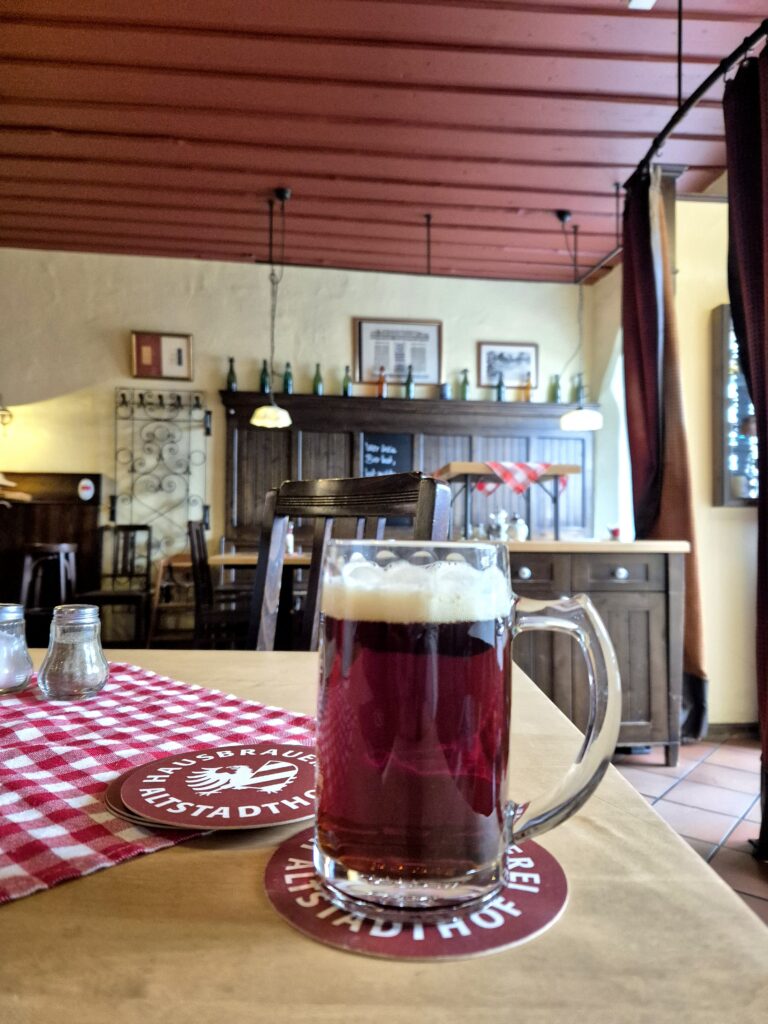
At the other end of the spectrum is Dunkel (meaning dark), a traditional Bavarian lager with a rich, malty flavour profile that comes from the use of roasted malts in the brewing process. The colour ranges from deep amber to dark brown while the taste is mildly sweet with hints of caramel and chocolate. Dunkel beer also comes from Munich, but one of the best I have ever tasted was further north in Kloster Kreuzberg, a former Franciscan monastery in Lower Franconia. The beer is smooth and malty, and is served in ceramic mugs. Another dark beer worth trying is Rauchbier or smoked beer, which originated in Bamberg — hands-down one of the prettiest towns I have visited in Bavaria. The beer’s distinctive smoky flavour profile comes from the use of malted barley dried over an open flame. In Nuremberg, the traditional beer style is Rotbier or red beer, which has been brewed since the middle ages. This bottom-fermented beer is brewed at low temperatures — in medieval times, this was achieved by digging beer cellars underground where the beer was brewed and matured. I tried this distinctive red-coloured beer at Hausbrauerei Altstadthof, but not before taking a fun guided tour of the subterranean cellars (although they are no longer used in the brewing process).
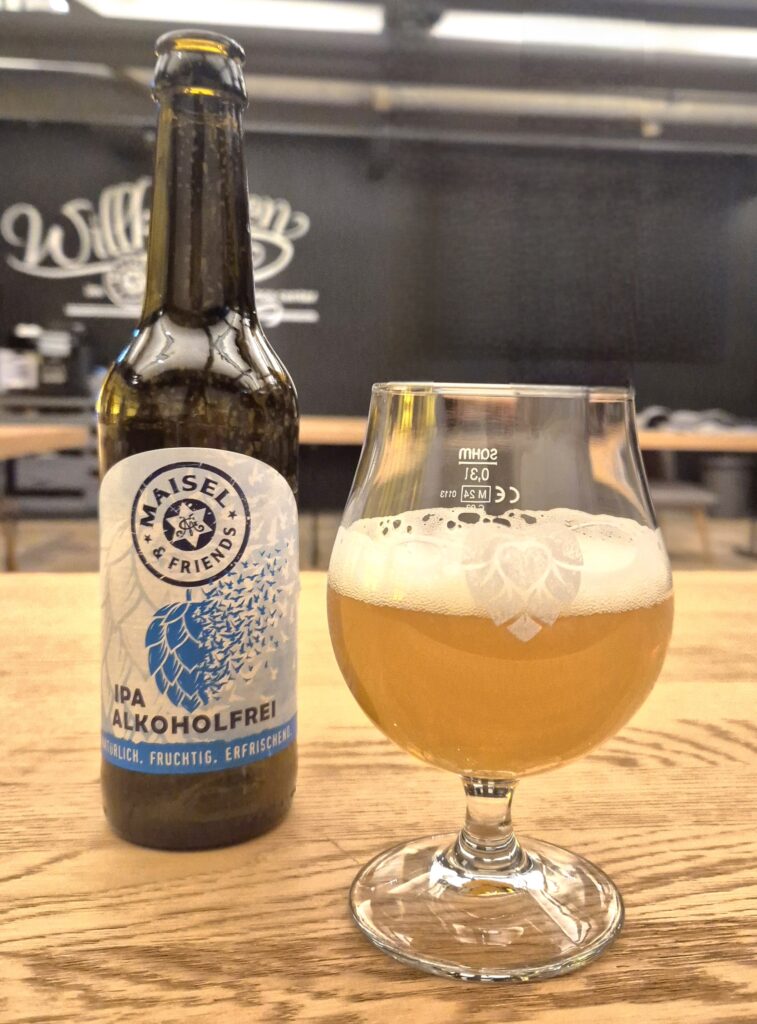
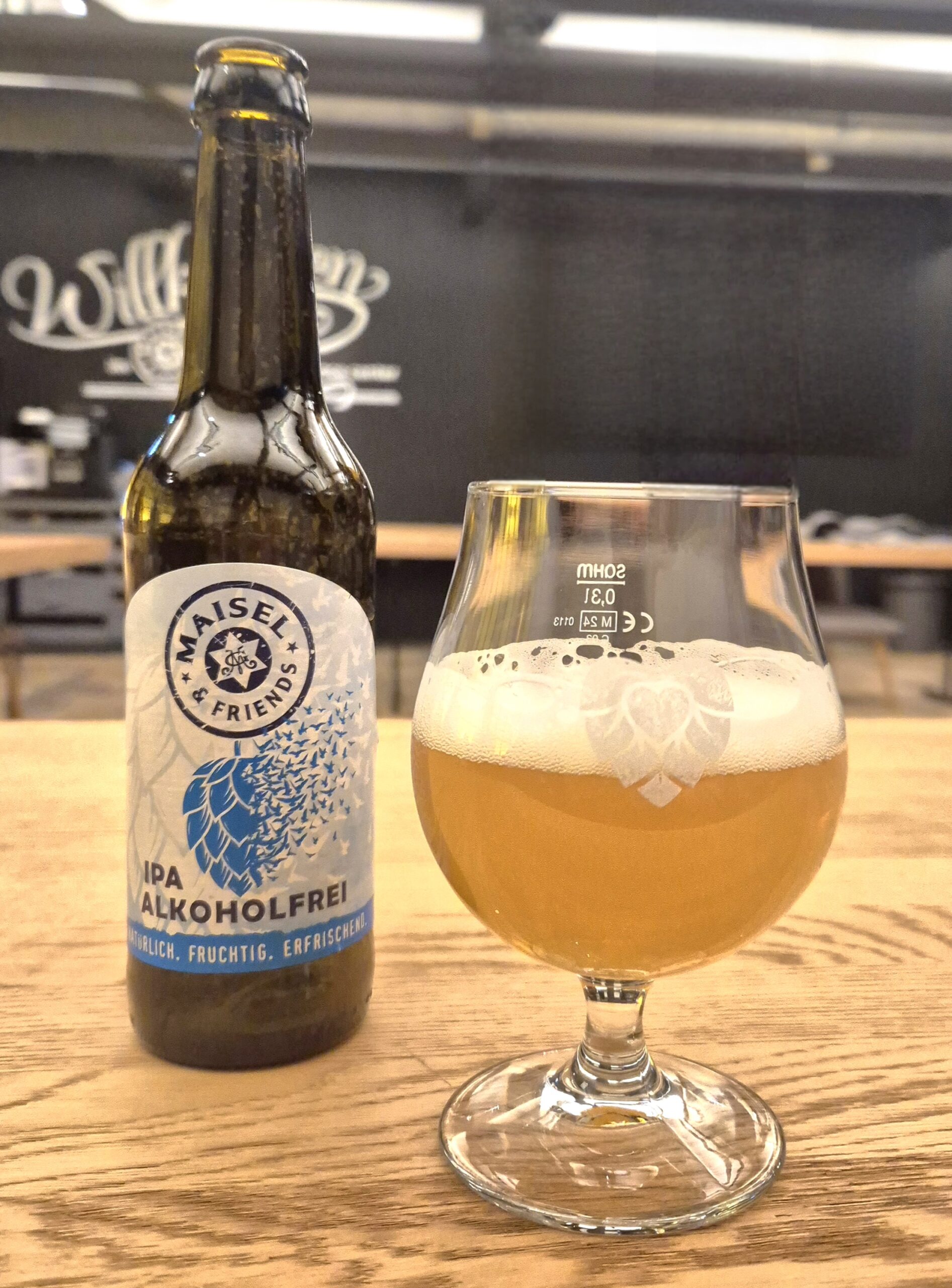
On my most recent trip to Germany, I found a noticeable shift towards the consumption of non-alcoholic beer. This tracks with global trends where Gen Z are drinking lesser alcohol than previous generations. Historic beer producers like Maisel & Friends, a Bayreuth-based brewery that dates to 1887, are responding to this zero-proof lifestyle by perfecting the non-alcoholic beer. Initially, non-alcoholic beers were made by stopping the fermentation process before alcohol has formed; however, this process didn’t produce great tasting brews. At Maisel, they follow a more modern and rather innovative process wherein the beer is brewed normally and the alcohol is later removed by vacuum evaporation. This method creates non- alcoholic brews that are as close as possible to the real thing. Indeed, Maisel & Friends’ alcohol-free IPA is full-bodied, creamy, and has all the ‘hoppy’ characteristics that I love in IPA, with just 0.5% alcohol by volume — I could get used to it.
Also Read:
Farm-to-Table Retreats Across Europe
Fiji Off the Beaten Shore
Globetrotting Through Markets: A Guide for Foodies and Culture Seekers


[…] Read:Exploring the Historic Breweries and Timeless Beers of Bavaria, GermanyBhutan for the Luxe TravellerA Luxe Taste of […]
[…] Read:Best International Getaways For DiwaliExploring the Historic Breweries and Timeless Beers of Bavaria, GermanyFiji Off the Beaten […]