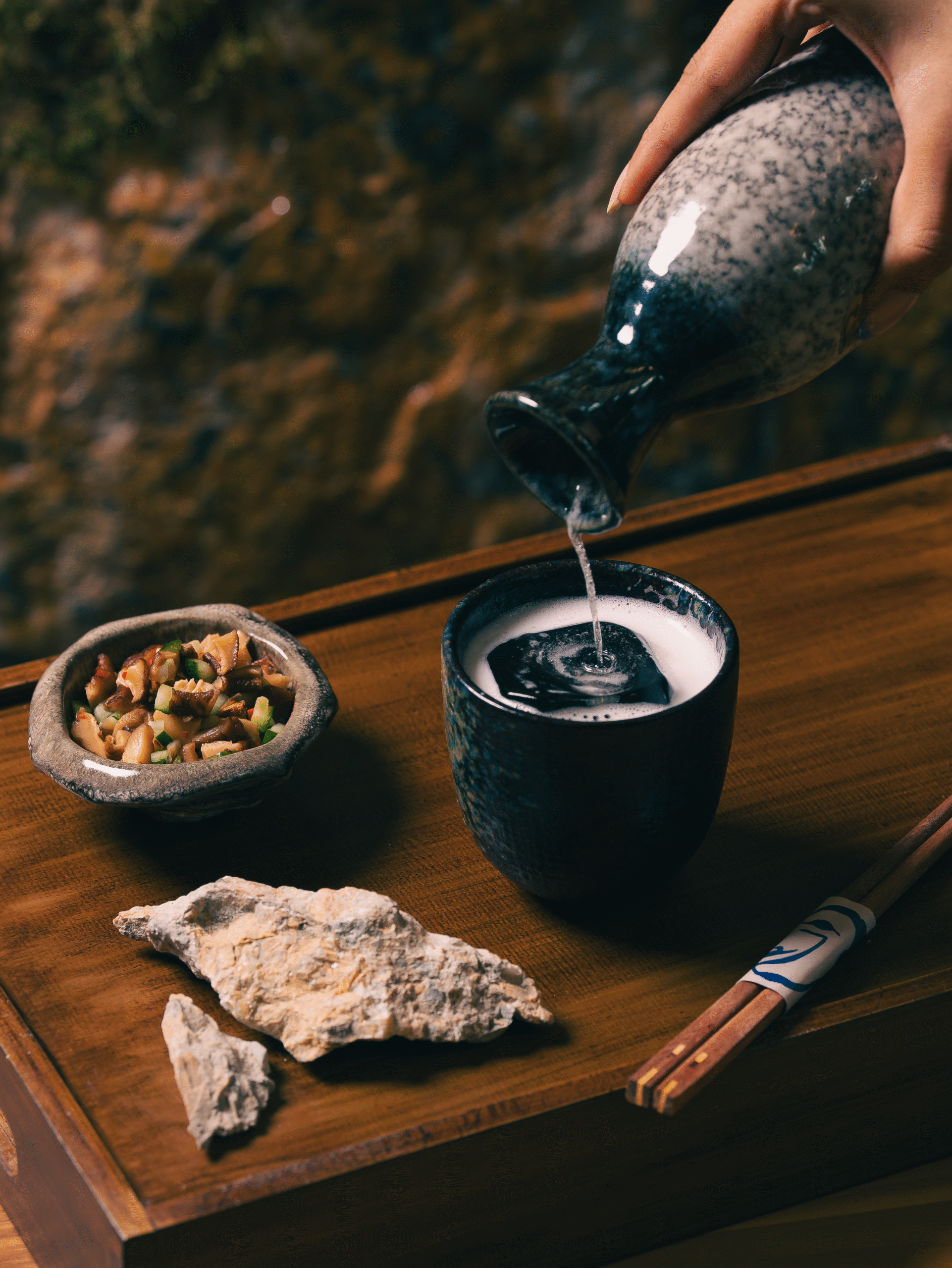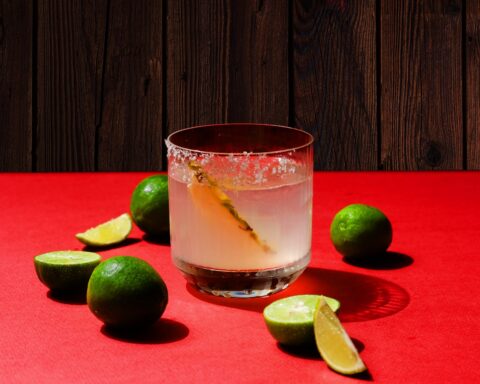
From Himalayan botanicals and rainwater-harvested gin to Rajasthan’s desert-inspired single malts, India’s spirits landscape is finding its own identity, one bottle at a time.
For the longest time, India’s premium drinking culture was largely associated with international labels. Whether it was a bottle of gin behind a cocktail bar, a vodka Martini or a carefully poured single malt, global names dominated the conversation. But things are changing.
Across the country, a new generation of Indian distillers is bringing a different perspective to the spirits industry. They’re experimenting with indigenous ingredients, drawing inspiration from regional landscapes, rethinking traditional distillation techniques and creating expressions that are distinctly their own.
From the forests of Goa and the rain-soaked hills of Meghalaya to the agricultural heartlands of Haryana and the arid landscapes of Rajasthan, India’s homegrown spirits are telling stories that go well beyond what’s inside the bottle.
The shift is also reflected in the industry. The 2026 edition of 30BestBarsIndia’s What India Is Drinking report surveyed 155 premium bars across 18 cities, with 166 Indian homegrown brands represented across its findings. Indian labels are increasingly finding their place alongside established international names.
Here’s a closer look at some of the spirits making the Indian drinking scene particularly interesting.
Gin: A Botanical Identity of Its Own
If there’s one category that has helped introduce a new generation of Indian craft spirits, it is gin. What makes the movement interesting is the way distillers are moving beyond conventional botanical profiles and exploring ingredients that reflect India’s geography.
Vanaha Gin
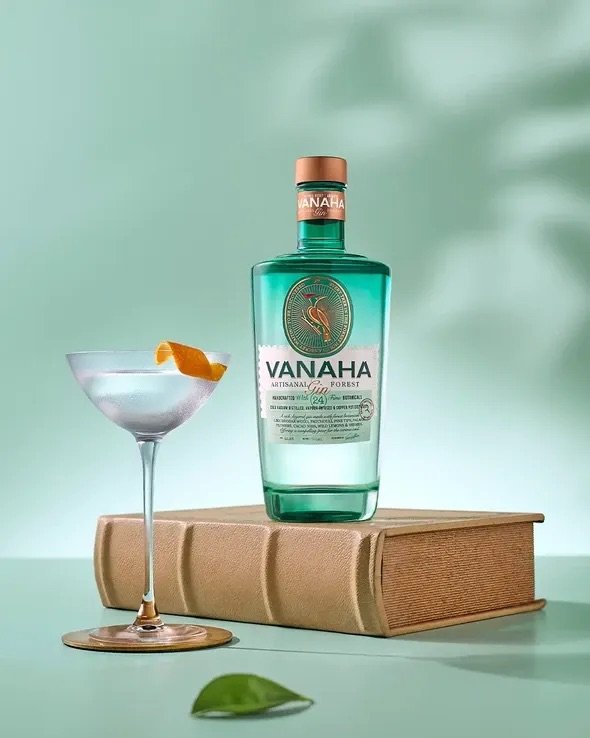
Inspired by the forests of Goa’s Sattari region, Vanaha takes a quieter, more nuanced approach to craft gin. Its botanical composition brings together juniper, deodar, pine tips, palash flowers, cacao nibs and regional citrus, creating an aromatic profile that feels rooted in nature.
Rather than relying on an overpowering citrus or spice-forward character, the gin focuses on balance, earthy notes and subtle botanical layers. It is an expression that draws its identity from the forest and the diversity of ingredients found across India.
Cherrapunji Eastern Craft Gin
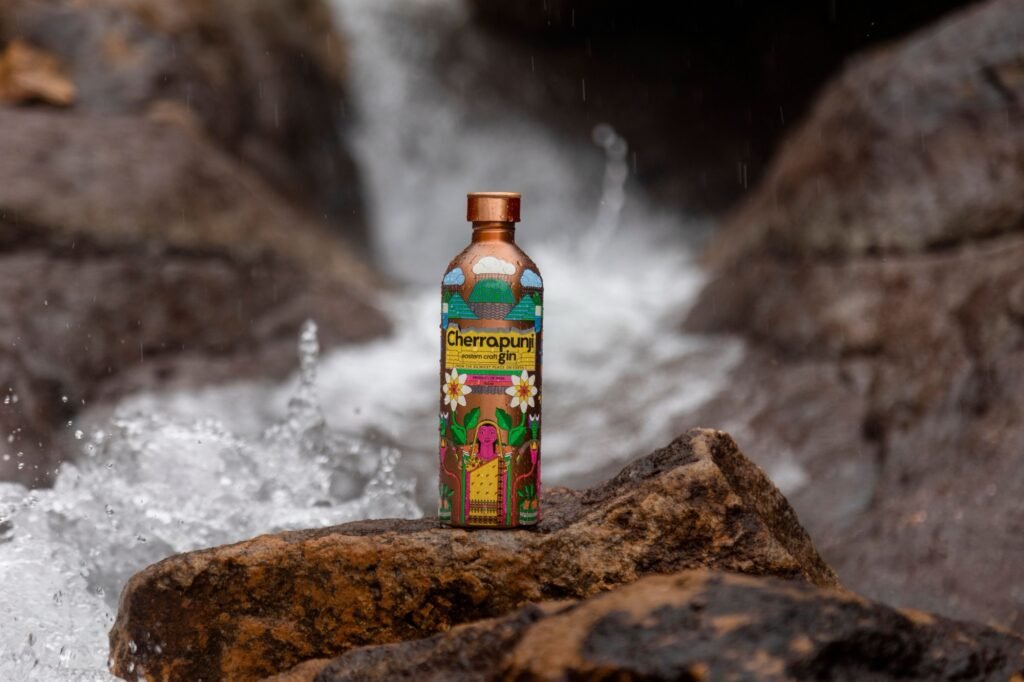
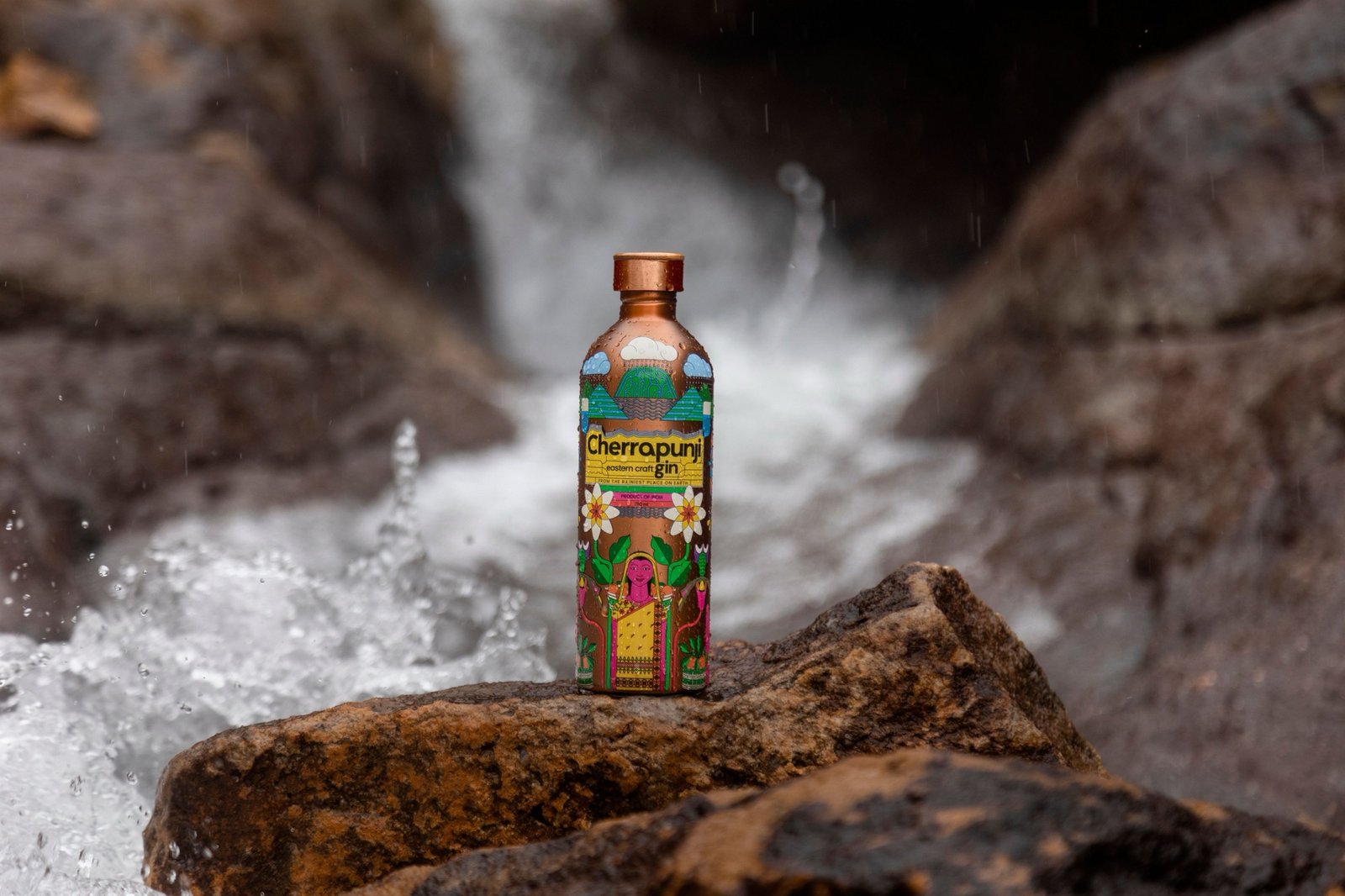
There are few places as evocative as Cherrapunji when it comes to creating a story around nature. Born in Meghalaya, Cherrapunji Eastern Craft Gin takes inspiration from one of the rainiest regions in the world.
What makes it particularly distinctive is its use of harvested rainwater and native Northeast Indian botanicals. Its botanical story brings together Eastern Himalayan juniper, Khasi mandarin, regional peppers and smoked tea, reflecting the flavours and character of the region.
The brand has also explored seasonal ingredients through its Mountain Berry & Cherry Blossom expression, which uses indigenous sohiong berries and cherry blossom petals. It is a reminder that Indian gin can be as much about regional identity as it is about distillation.
Hapusa Himalayan Dry Gin
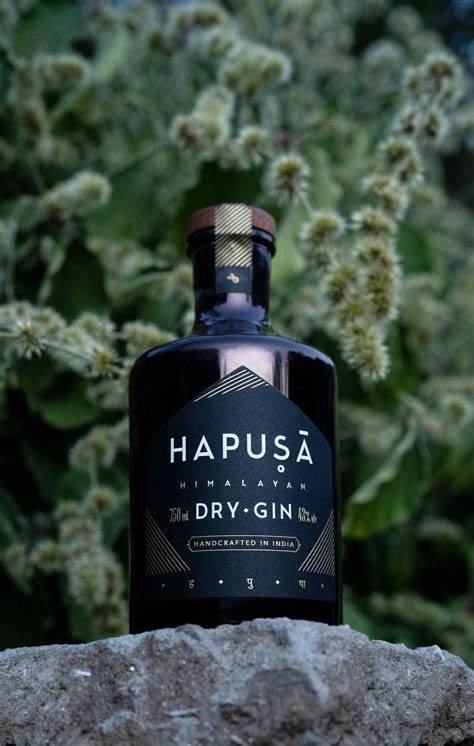
Hapusa, derived from the Sanskrit word for juniper, puts the Himalayas at the heart of its identity. The gin uses Himalayan juniper alongside Indian ingredients such as turmeric, raw mango, ginger, gondhoraj lime, cardamom and almond.
Its appeal lies in the way these botanicals come together without losing the unmistakable character of juniper. The result is a distinctly Indian interpretation of a globally recognised spirit.
The brand’s growing popularity is reflected in the 2026 What India Is Drinking report, where Hapusa ranked fifth in the national gin category, making it one of the strongest-performing Indian craft gin labels in the survey.
GinGaLaLaHu
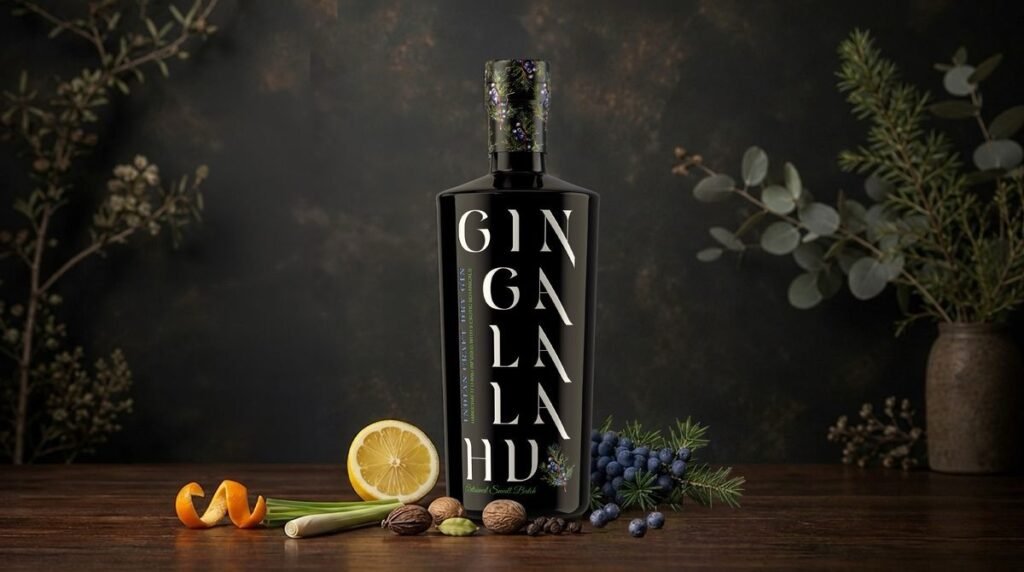
A newer addition to India’s premium craft gin landscape, GinGaLaLaHu comes from DeVANS Modern Breweries. The gin brings together nine botanicals, including juniper, green cardamom, nutmeg, orange peel, lemongrass, black pepper, coriander, lemon peel and angelica root.
Its botanical profile balances citrus brightness with earthy depth and gentle spice. It is an interesting addition to a category where brands are increasingly looking to build a distinctive flavour identity rather than simply replicate established international styles.
Vodka: Beyond the Conventional Clear Spirit
Vodka has traditionally been associated with neutrality and versatility. However, Indian producers are finding ways to give the category more personality through grain selection, flavour experimentation and innovative production techniques.
Smoke Lab Vodka

Delhi-based Smoke Lab is approaching vodka with an emphasis on Indian ingredients and contemporary flavour profiles.
Crafted using Indian Basmati rice and a five-times distillation process, the brand has developed a portfolio that moves beyond conventional vodka expressions. Its Green Chilli Mango variant, for instance, brings together familiar Indian flavour references in an unexpected format.
The brand’s approach reflects a growing interest in vodkas that offer more than just a neutral base for cocktails. Smoke Lab also made an appearance in the top ten of the vodka category in the 2026 What India Is Drinking survey, ranking ninth.
Terai India Craft Vodka
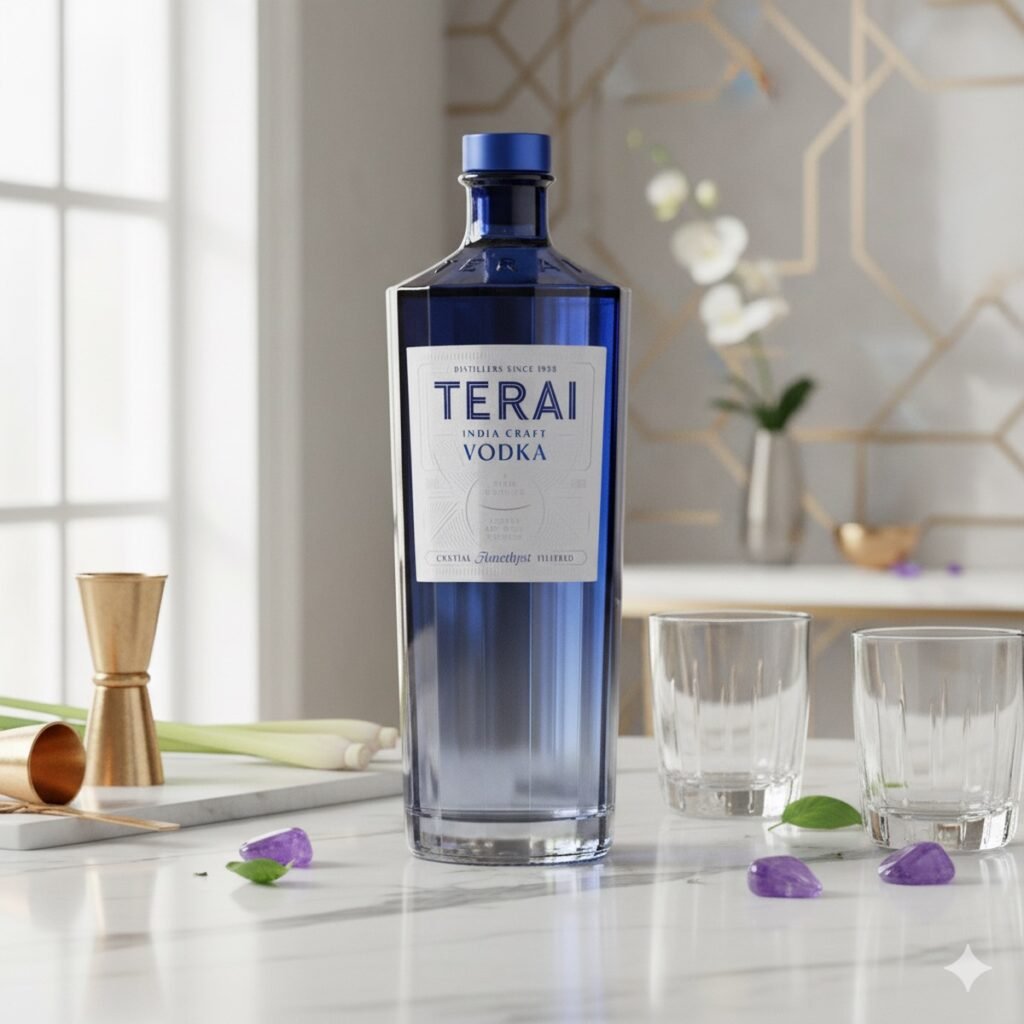
From Globus Spirits comes Terai India Craft Vodka, a grain-to-glass expression produced at its distillery in Behror, Rajasthan.
Made using locally sourced Indian grain, the vodka is filtered through amethyst crystals, an unusual production approach that gives the brand a distinctive point of difference.
Its philosophy is centred on clarity, texture and a clean grain character rather than heavy flavouring. Designed to work in classic cocktails, it brings an interesting production-led perspective to India’s premium vodka category.
ÄMĀRĀ Artisanal Pink Vodka
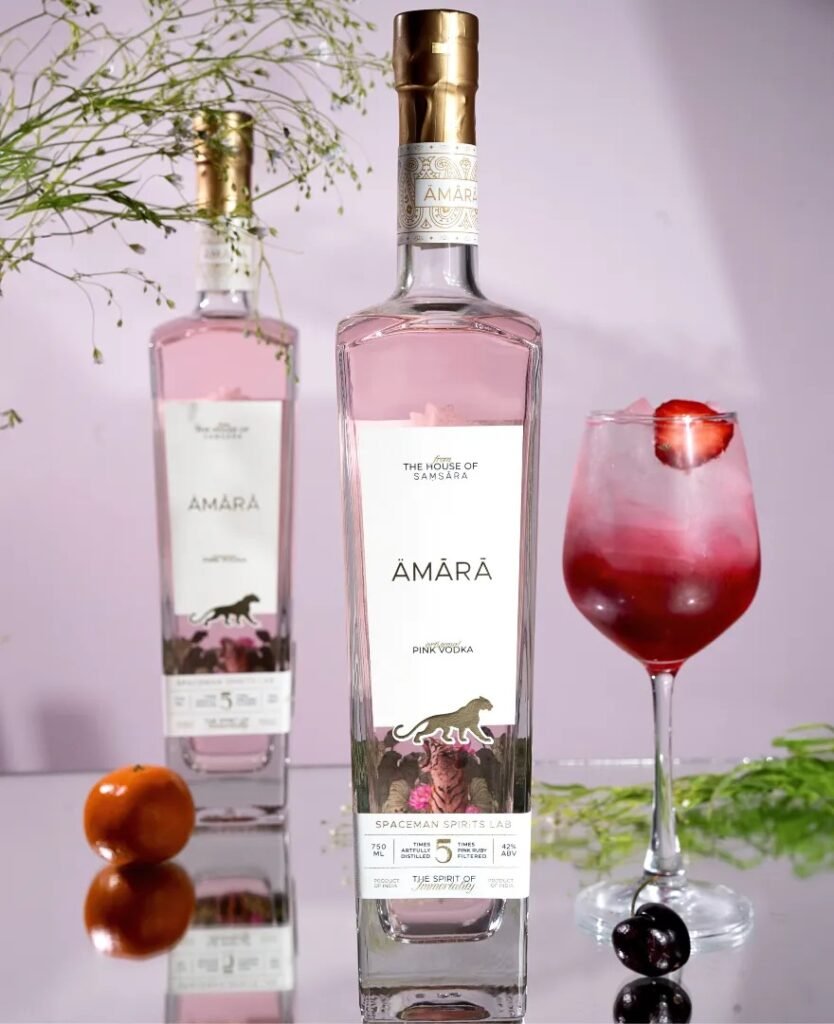
From the team behind Saṃsāra comes ÄMĀRĀ, an expressive take on contemporary vodka.
The spirit combines Bengaluru Blue Grapes with rice spirit and is distilled five times. Its flavour profile is developed through the infusion of strawberries, peaches, passion fruit and floral elements such as rose petals and cherry blossoms.
The result is a fruit-forward expression with a delicate pink hue and a softer, more aromatic personality. It also reflects how Indian vodka producers are beginning to experiment with ingredients, presentation and flavour in ways that appeal to a more exploratory consumer.
Agave: India’s Own Interpretation of a Global Category
Agave has become an increasingly interesting category for Indian bars and spirits enthusiasts. While tequila remains closely tied to its Mexican origins, Indian producers are exploring the possibilities of cultivating and distilling agave on home soil.
Maya Pistola Agavepura
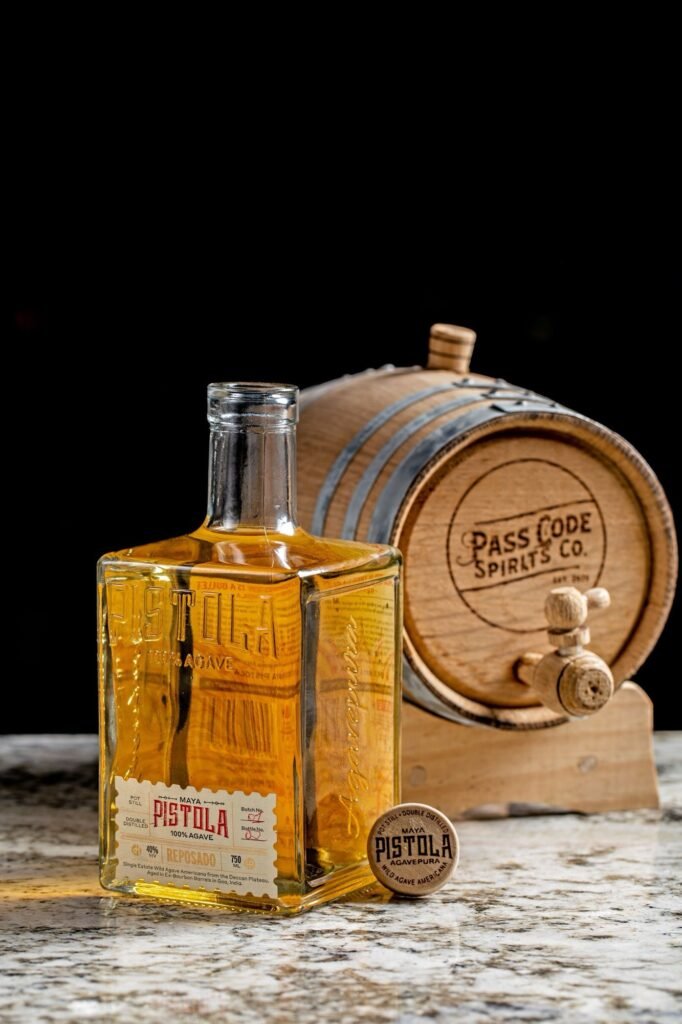
Maya Pistola is among the most interesting names in India’s emerging agave spirits movement.
The brand works with wild Agave Americana growing across India’s Deccan Plateau. Mature plants, typically between eight and ten years old, are selected for their agave hearts, or piñas, which are cooked, milled, fermented and double-distilled.
The resulting spirit is then matured in oak casks, including virgin American oak, ex-bourbon and ex-red wine casks.
Its story is particularly compelling because it demonstrates how a spirit category traditionally associated with Mexico can inspire an entirely different interpretation through Indian geography and raw materials.
Maya Pistola’s growing presence is also reflected in WIID 2026, where Pistola ranked sixth in the agave category and was the only Indian homegrown representative in the top six.
Bodega Suprema No. 5: A Mexican Tequila for the Indian Market
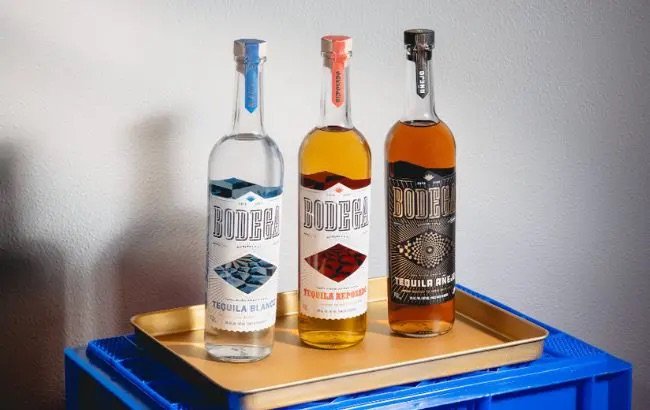
Another name entering India’s evolving tequila conversation is Bodega Suprema No. 5.
A product of Black Tiger Distilleries, the tequila is made using 100% Blue Weber agave in Jalisco, Mexico. Its collection includes Blanco, Reposado and Añejo expressions, each shaped by a different maturation process.
While it is not an Indian-made spirit, its introduction reflects the growing interest in tequila and agave-based drinks within the Indian premium spirits market.
It is a useful addition to the wider conversation, particularly as Indian consumers become increasingly curious about different spirit categories and their origins.
Whisky: India’s Single Malt Moment
Perhaps the most significant transformation in India’s premium spirits landscape has been the growing recognition of Indian whisky.
Indian distillers are no longer simply looking to replicate established international styles. Instead, they are exploring the influence of local barley, climatic conditions, maturation and cask selection.
Indri Single Malt Whisky
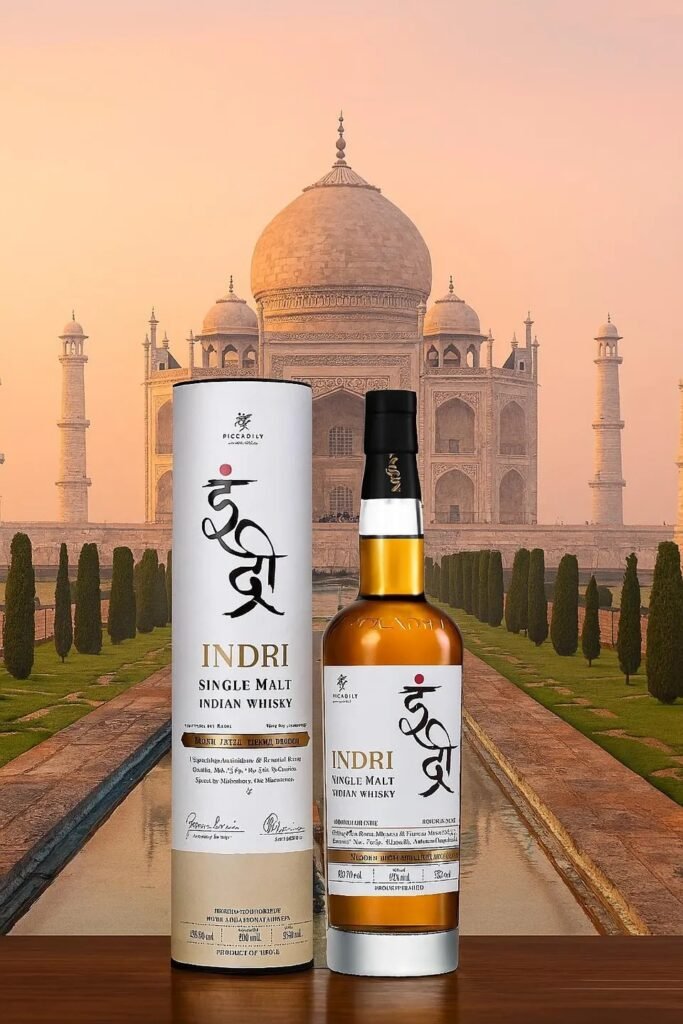
Produced by Piccadily Distilleries in Haryana, Indri has become one of the most recognised names in India’s single malt movement.
Its flagship expression, Indri-Trini, is particularly interesting for its triple-cask maturation. The whisky is matured in ex-bourbon, ex-French red wine and Pedro Ximénez sherry casks, bringing together different layers of flavour and complexity.
The distillery uses traditional Indian six-row barley, while the dramatic seasonal variations of northern India influence how the whisky matures in its barrels.
Indri’s story represents a growing confidence in Indian whisky-making, where local agricultural produce, climate and modern distillation techniques come together to create a distinctive identity.
Godawan Single Malt Whisky

Inspired by the landscapes of Rajasthan, Godawan is a single malt that brings regional heritage and sustainability into the spirits conversation.
Produced in Alwar, the whisky uses locally sourced six-row barley and is matured in the region’s warm, dry climate. Its cask programme incorporates Indian botanicals, adding another layer to its distinctive character.
Named after the Great Indian Bustard, an endangered bird native to Rajasthan, the brand also places conservation at the centre of its identity.
Its rise in the premium Indian whisky category has been noteworthy. In the 2026 What India Is Drinking report, Godawan ranked second among Indian single malts, ahead of several established names.
It is an interesting example of how a spirit can become a reflection of the land, its ecology and the people associated with it.
A New Chapter for Indian Spirits
What makes India’s homegrown spirits movement particularly exciting is that there isn’t one formula driving it.
Some brands are exploring indigenous botanicals and regional ingredients. Others are experimenting with maturation techniques, unusual filtration processes or new interpretations of internationally recognised spirit categories.
What connects them is a growing confidence in creating products with a sense of place and identity.
From the Himalayan juniper in Hapusa to the rainwater-inspired story of Cherrapunji, from the Deccan’s agave plants in Maya Pistola to the desert-inspired single malts of Rajasthan, these brands are showing that India’s spirits story has many different expressions.
And perhaps that’s the most interesting part of this evolution: Indian spirits are no longer simply trying to find their place on the global bar shelf. They’re beginning to give the world something distinctly their own.
The next time you explore a spirits menu, look beyond the familiar labels. India’s next interesting pour might already be waiting for you.
Drink responsibly. This feature is intended for readers of legal drinking age.