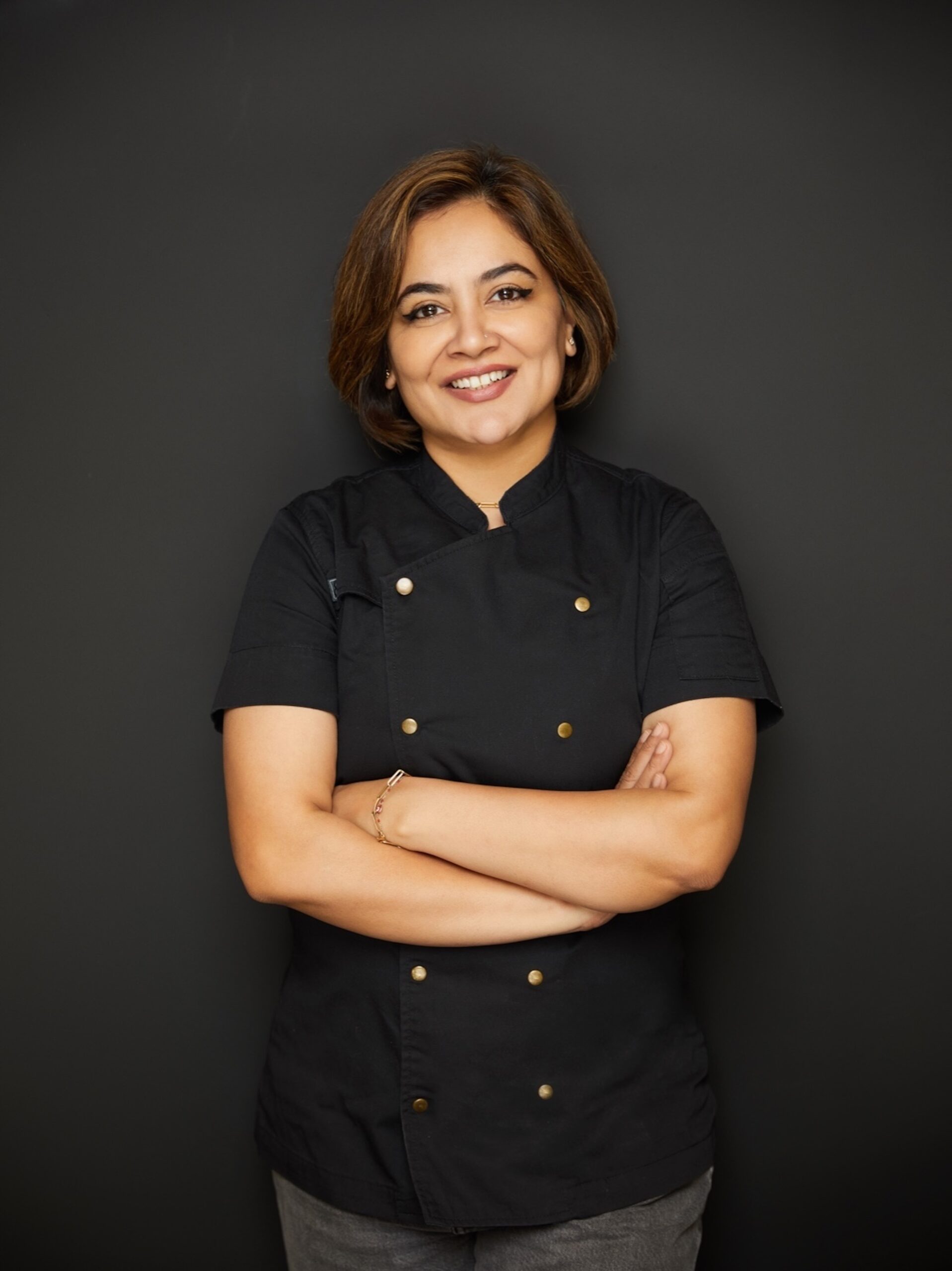
There is a certain quietness to Chef Amninder Sandhu’s food. Not silence but the absence of urgency. In an industry that celebrates speed, invention and spectacle, her cooking resists performance. It asks you to slow down, to recognise something familiar before you identify something new. You don’t leave her table thinking about technique first. You leave thinking about memory.
Born into a Sikh family and raised across the landscapes of the North East, Sandhu’s culinary education did not begin in professional kitchens. It began in homes and spaces where recipes were not documented but remembered, where the measure of doneness was aroma rather than temperature, and where food was tied to emotion more than presentation. That early exposure shaped the philosophy she carries into every restaurant she builds today: Indian cuisine survives through people, not systems.
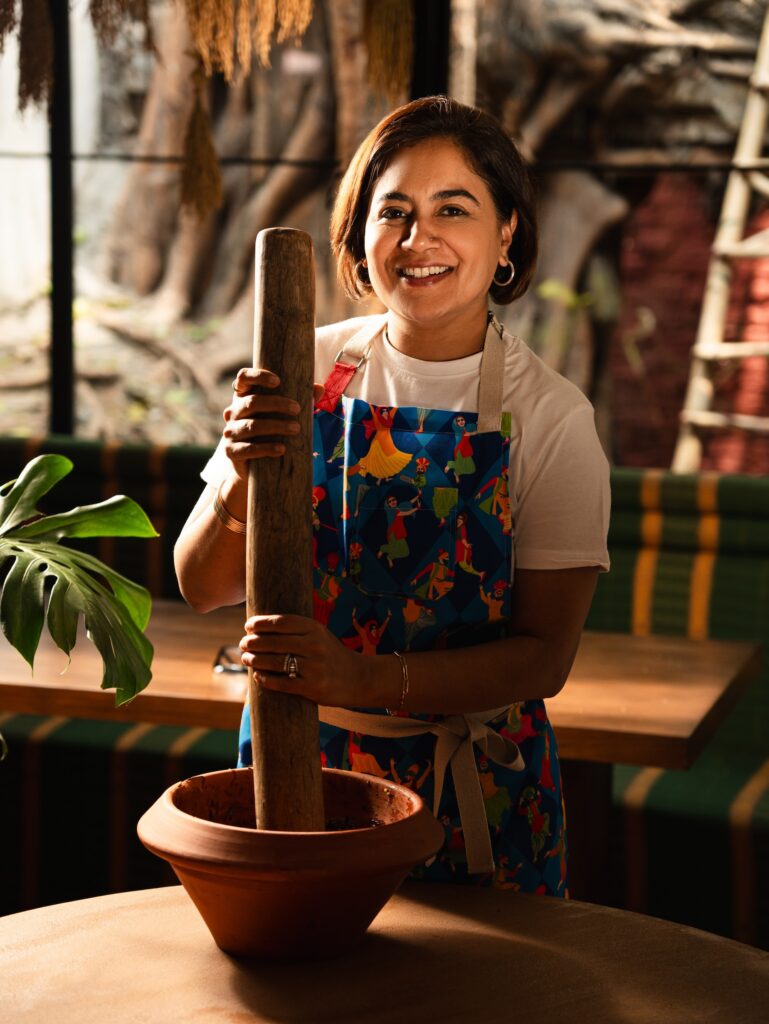
Now the founder chef of Kikli, and associated with Bawri, Tipai, and most recently Barbet & Pal, Sandhu creates spaces that function less like restaurants and more like living archives. Firewood replaces gas, time replaces speed, and instinct replaces standardisation. Across each concept, the intention is consistent and not to modernise Indian food, but to protect its continuity.
She recalls the exact moment cooking stopped feeling like a profession.
She realised recipes were disappearing faster than restaurants were opening. She wasn’t just learning food anymore — she was being trusted with stories, silences and gestures. People handed her recipes the way families hand over heirlooms. That was when cooking stopped being expression and became responsibility.
Listening to food again
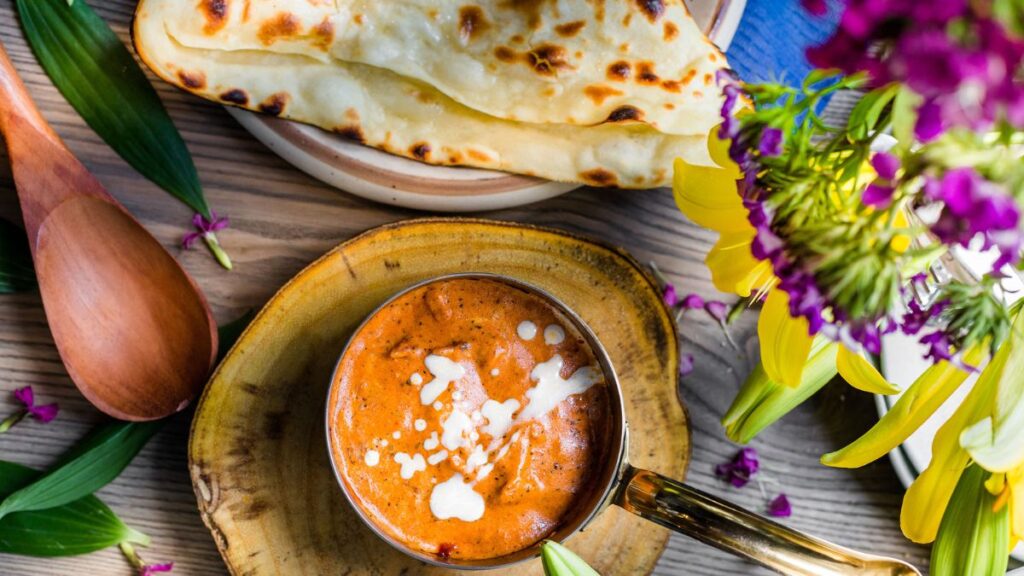
Modern kitchens are built around efficiency. Prep lists, uniform plating, predictable timelines. Sandhu sees that precision as useful but incomplete.
Today, she believes kitchens remember how food should look more than how it should feel. Efficiency has replaced intention. Food is not meant to be rushed; it is meant to be listened to. Fire teaches patience and slow cooking teaches restraint. There was a time when food soothed and gathered people, and she believes that role has been forgotten.
Her kitchens therefore operate around waiting and waiting for smoke to mellow, for fat to settle, for flavour to stabilise naturally.
The keepers of cuisine
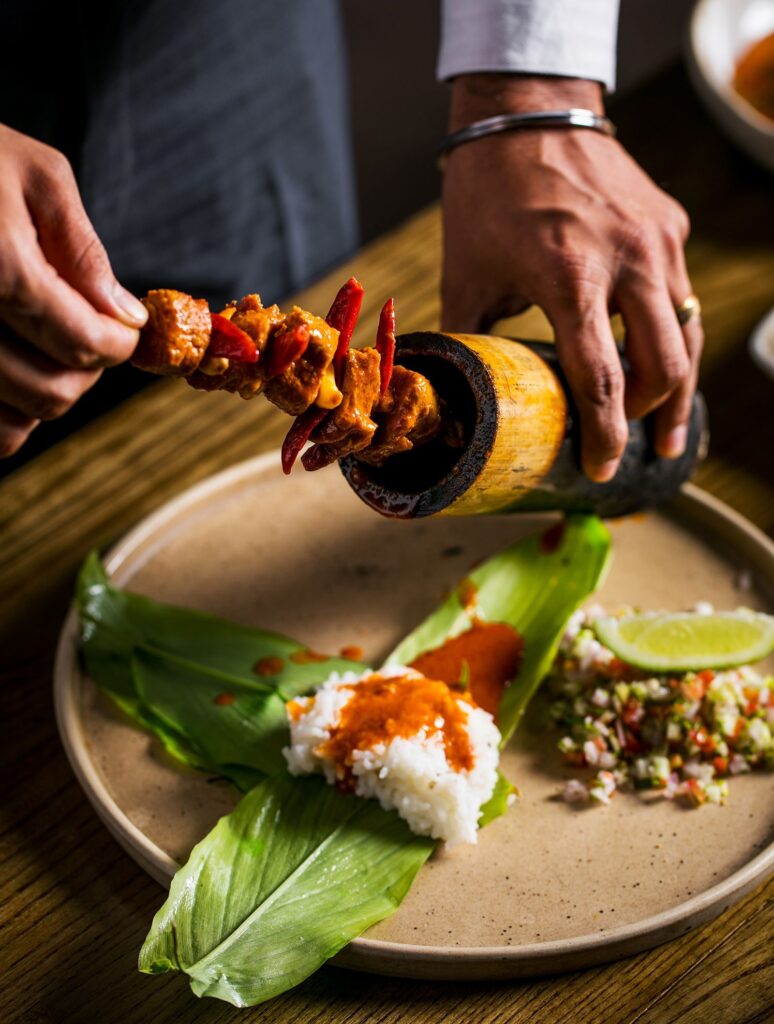
Sandhu does not call herself an originator. She calls herself a translator.
For her, the real custodians of Indian cuisine are memory-keepers from home cooks, halwais, community kitchens, royal households with people who cook without measurement yet with remarkable accuracy. Indian food survived not because it was institutionalised but because it was repeated. A person who knows when to stop stirring by smell alone, she says, holds more culinary knowledge than any textbook. Her role is simply amplification.
This belief also changes how she views technique. Professional kitchens often chase control, adding steps and manipulation. Home cooking, in contrast, understands restraint. It recognises rhythm. Indian cooking is intuitive and based on memory.
Redefining luxury
In contemporary dining, luxury is frequently communicated through rarity and imported ingredients, elaborate plating, or global references. Sandhu sees luxury differently.
Indian food was always luxurious, just not performative she believes. Luxury meant time, purity of ingredients, generosity and fire. A hand-churned white butter eaten with fresh roti can feel more indulgent than any engineered garnish. At Kikli, luxury is simply memory preserved with integrity.
Her insistence on firewood kitchens and the rejection of seed oils has often been described as commercially impractical. She acknowledges hearing that often. But she never doubted the ideology but only whether the industry was ready. If she compromised on fire or ingredients, the food would lose its truth. And once truth disappears, there is nothing meaningful left to build.
Restaurants as mirrors
Across Bawri, Kikli, Tipai and Barbet & Pal, the intention extends beyond feeding people. Sandhu wants diners to recognise themselves or perhaps a past version of themselves through taste.
Feeding people, she says, is already changing how they see themselves. These spaces are not museums preserving a dead tradition but mirrors reflecting a living one. They remind guests who they were before convenience, and that this identity still holds value.
When asked about legacy, her answer is immediate. Restaurants are structures; recipes are souls. If someone cooks these dishes honestly long after she is gone, she believes she has done her work.
Rapid Fire
One ingredient India underestimates: Ghee
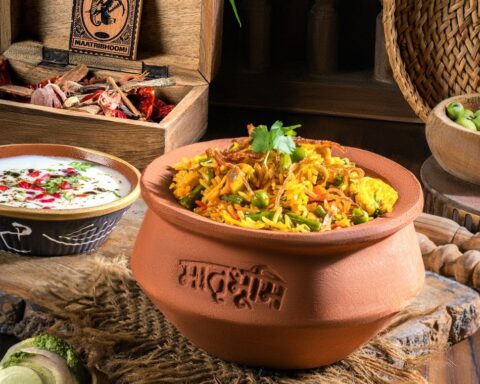
One dish that cannot be modernised: Biryani
A cooking trend you secretly dislike: Deconstruction
One smell that reminds you of childhood: Kaaji lemon
Firewood or charcoal: Firewood
Royal kitchen or village kitchen: Royal
A dish you still can’t perfect: Bilai Gilori in Goa — the malai is never thick enough
Most emotional meal you’ve cooked: For Mark Knopfler
If you weren’t a chef: Hairstylist
The future of Indian cuisine in one word: Awoken giant
Also Read:
Interview: Reinvention on a Plate: Chef Beena Noronha’s Journey from Fashion to Food
Interview: Chef Afshaa Rajqotwala: Stirring Comfort, Creativity & Connection
Interview: Chef Anand Morwani: The Outsider Who Found His Voice in Japanese Cuisine