
IV therapy has found a new home in lifestyle clinics, celebrity routines, and wellness programmes. From glow and detox infusions to metabolic and weight-management drips, intravenous therapy is increasingly positioned as optimisation rather than treatment by reflecting how modern wellness is borrowing the language and tools of medicine.
“IV therapy’s transition from hospital rooms to wellness centres mirrors a broader cultural shift,” says Dr. Rohan Goyal, founder of Nuvana. “People today want faster recovery, better nutrient absorption, and proactive health support.”
Archana Mayekar, Co-Founder of The Recovery Room, IV therapy has expanded beyond hospitals because everyday living itself has become more taxing.
“People are constantly travelling, working long hours, celebrating hard, and operating in environments with poor air quality and high stress. IV drips, when used responsibly, help replenish what the body is depleted of — hydration, vitamins, and minerals — much faster than oral supplements,” she explains.
IV drips are medically justified for dehydration, electrolyte imbalance, infections, or cases where the gut cannot absorb nutrients effectively. In lifestyle settings, however, they are often used to support energy, recovery, skin health, or periods of high physical and mental stress.
“The moment you cannulate a vein, it becomes a medical procedure,” Dr. Goyal explains. “Medical justification is diagnosis- and risk-led. Lifestyle use still needs screening, consent, and monitoring. A one-size-fits-all drip is not personalisation but a productisation.”
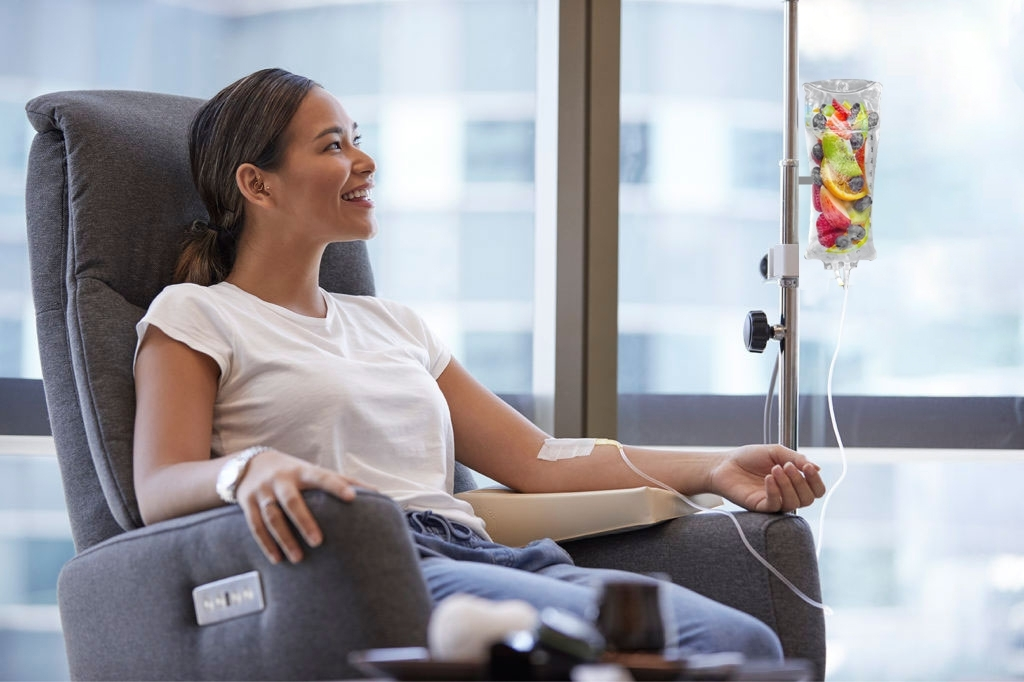
“It is medically justified when there is dehydration, nutrient deficiency, fatigue, or recovery needs. Lifestyle IVs should always be customised, medically supervised, and never overused. Safety, proper screening, and frequency are critical.” says Archana
Safety remains central to the debate. Even when marketed as wellness, IV therapy falls under healthcare delivery standards. Risks include infection, phlebitis, infiltration, and hypersensitivity reactions. India-specific infusion guidelines emphasise aseptic technique, trained personnel, proper storage of substances, and monitored administration.
Rishi Tandulwadkar, founder of ALIV, points to celebrity culture as a key driver. “When medical-grade interventions become part of public wellness narratives, they set aspirational benchmarks. That demand then flows into clinics, even among otherwise healthy individuals.”
For DJ Aqeel, the shift is personal. “From my own life on the road, I’ve seen how easy it is to push your body without listening to it,” he says. “The goal isn’t excess, it’s balance. At The Recovery Room, we’ve been very conscious about shaping this category responsibly. We work only with experienced doctors and trained therapists, follow strict protocols, and focus on education over hype.”
The business of IV therapy has adapted quickly with membership models, concierge-style delivery, and hospitality-led clinic design. But doctors argue that long-term credibility will depend on restraint rather than scale.
“Responsible clinics are those that prioritise clinical governance over marketing,” Dr. Goyal says. “They conduct proper assessments, personalise protocols, follow strict safety SOPs, and avoid blanket promises like ‘detox’ or ‘fat burn’.”
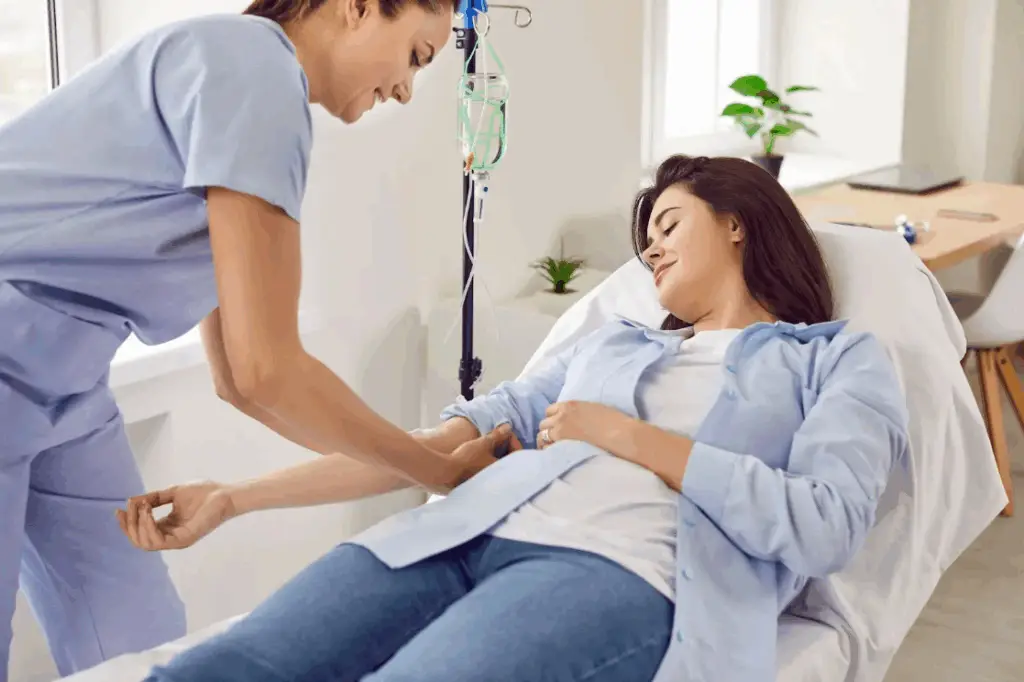
Crucially, IV therapy is not meant to replace lifestyle change. “Metabolic health, weight management, and long-term wellness are multi-factorial,” he adds. “IVs can support, but they cannot substitute nutrition, sleep, movement, and consistency.”
As wellness continues to medicalise, IV therapy sits at an uneasy intersection — useful when applied with evidence and oversight, questionable when sold as a shortcut. The drip may promise speed, but medicine still demands context, caution, and care.
Also Read:
Can What You Eat Be Ageing Your Skin Faster?
Healing From Within: How Stem Cells Are Changing the Way We Treat Pain, Injury and Cancer
Emotional Luxury: When Feeling Good Became the New Status Symbol