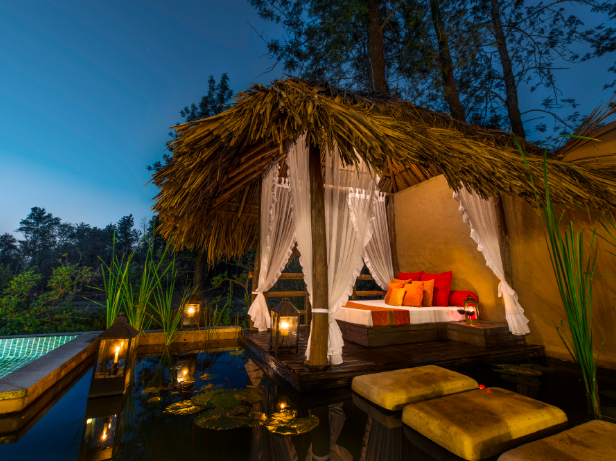
There are resorts you visit and then there are resorts that quietly reset you, and Evolve Back Coorg by Evolve Back Resorts is exactly that. With celebrated sister properties in Hampi and Kannur, the brand understands immersive luxury, but Coorg feels more intimate. It feels like a warm oil massage that somehow finds stress you did not even know you were carrying. As we drove toward the property, the landscape began to soften into endless coffee estates and peppercorn vines curling around tall trees. The air carried a warm, spicy aroma that reminded me of Black Opium with its deep coffee notes, only this was fresher and earthier because it was real. As Jose Ramapuram, Executive Director Marketing at Evolve Back Resorts, shares, “From its inception, Evolve Back Coorg was conceived as a sanctuary of stillness.” He adds, “Our vision was to create a retreat that encourages guests to step away from constant stimulation and rediscover a more natural rhythm of time,” and from the moment you enter those plantation-lined paths, you understand exactly what he means.
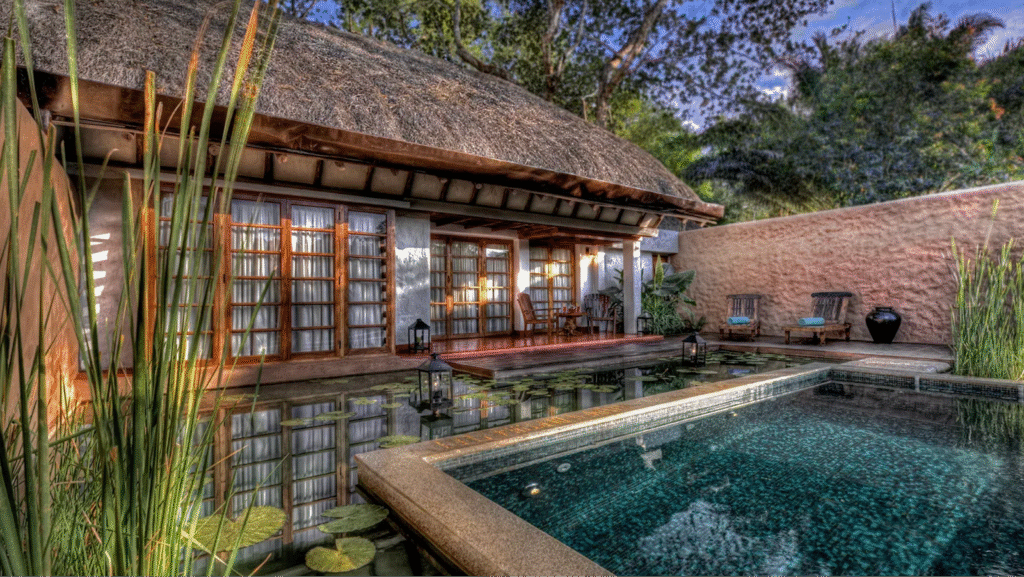
The welcome was simple and heartfelt with garlands and freshly brewed coffee before I was taken by buggy to my Heritage Pool Villa. At nearly 4,000 square feet, it felt less like a room and more like a private residence tucked inside a plantation, complete with a separate living room, bedroom, expansive bathroom and a courtyard with my own heated pool offering complete privacy. The design blends Kodava heritage influences with understated comfort, never loud or overdone. Jose explains that the spaces were intentionally designed to feel organic and unobtrusive, allowing quiet moments to emerge naturally rather than be curated. That philosophy translates into an atmosphere where you are not constantly entertained but gently encouraged to slow down, breathe deeply and settle into your surroundings.
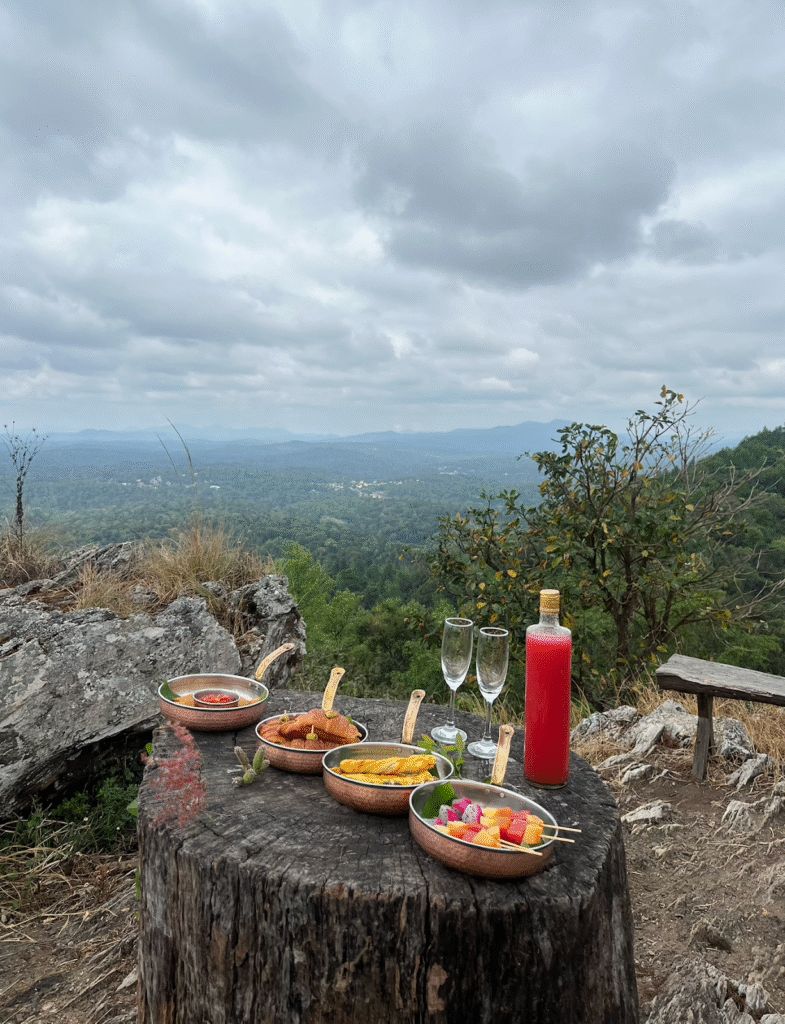
The experiences bring you even closer to the land. Electric Trails allowed me to cycle through estate lines, passing local homes and plantation workers going about their day, which made the stay feel connected to real life rather than removed from it. The ELKHILL 4×4 tour through the Ramapuram family’s 2,500-acre estate established in 1870 offered sweeping views and fascinating insights into the history of coffee in Coorg and the lifestyle of old gentleman planters. At one point, I found myself completely absorbed in birdwatching, spotting six different species, noticing delicate spiders in their webs and even hearing elephants trumpeting somewhere deep within the forest. For coffee enthusiasts like me, Coffeeology was easily one of the most immersive experiences on the property. This daily live session explores the art and science of gourmet coffee, where you can observe, learn and taste different brewing styles from around the world, all while seated in the heart of a working plantation. What makes it even more special is that the estate’s own in-house Sidapur Coffee is available for purchase, allowing you to take a piece of Coorg back home with you.

Cuisine here is described by Jose as “a cultural narrative rather than a luxury offering,” and that intent is clear even if the execution varies. The property houses three restaurants along with prompt room service, and while some dishes impressed me more than others, there were definite standouts. Room service for me was around a three out of five, as dishes like the payasam and pandi curry felt slightly inconsistent, but the Pad Thai at The Granary was a five on five and perfectly balanced. I kept returning to Plantain Leaf, mostly for their extensive variety of dosas that arrived crisp, fresh and deeply satisfying every single time. Sometimes it is the simplest regional dishes that leave the strongest memory.
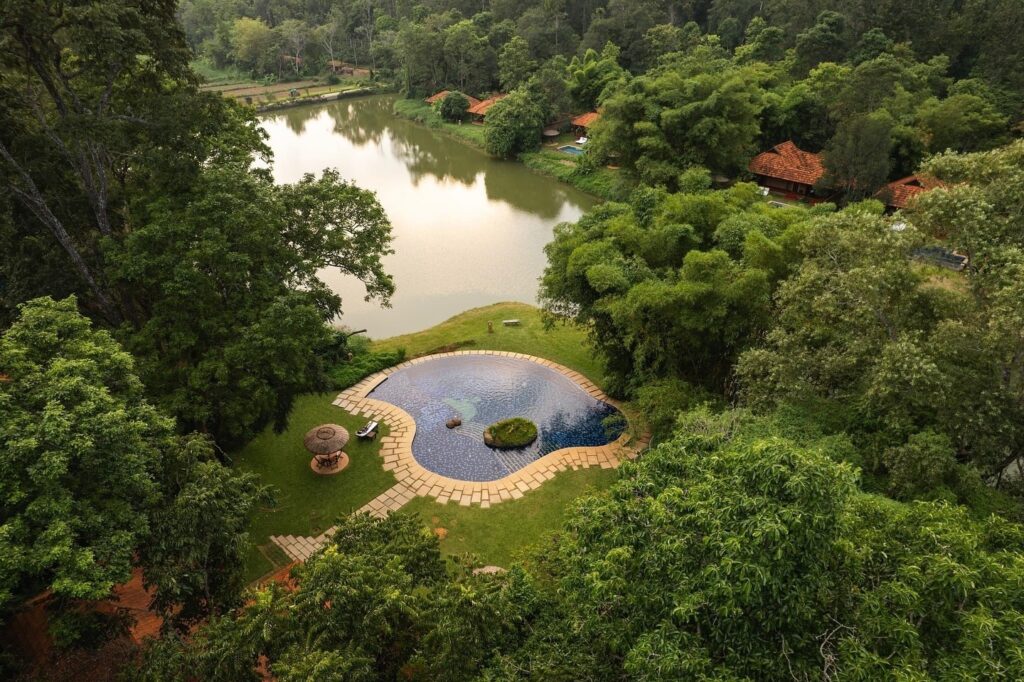
The most restorative part of my stay was the Vaidyashala, rooted in classical Ayurveda and guided by experienced vaidyas who focus on personalised programmes rather than surface-level treatments. “Ayurveda is a living science, not a trend,” Jose says, emphasising their commitment to authenticity. I opted for a traditional hot oil massage and it felt profoundly nurturing, almost like the kind of care a mother gives her child, with soothing pressure that seemed to intuitively locate where my body held tension. After the treatment, I was given Triphala tablets to support digestion, a thoughtful detail that made the experience feel genuinely personalised. Sustainability too feels intuitive rather than performative, with the coffee plantations integral to the stay and nature a constant presence rather than a backdrop. Hospitality here is attentive without intrusion, and if you truly want to experience the soul of Evolve Back Coorg, allow yourself at least four or five nights, because this is a place that unfolds slowly and rewards those who are willing to match its pace.
Also Read:
Meghalaya – a soulful re-connect with nature
The Heritage Kitchen Brings Ladakh’s Culinary Legacy Alive
Review: Returning to Myself at Six Senses Vana: A Retreat Where Silence Becomes Healing