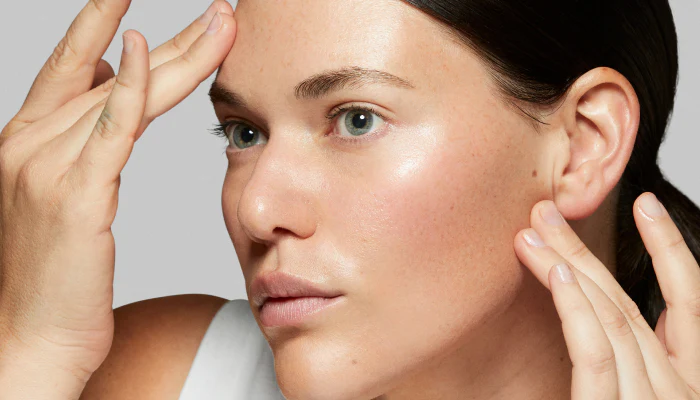
For years, “eating clean” has been sold as the ultimate shortcut to glowing skin. Fewer carbs, less fat, no sugar, no dairy, no gluten – the cleaner, the better. Except, according to nutrition experts, it doesn’t always work that way. In fact, when clean eating turns restrictive, it may quietly do the opposite: stress your gut, disrupt nutrient absorption, and speed up skin ageing.
“Clean eating only works when it’s balanced,” explains Pooja Lalwani, Founder of The Fit Face. “When people cut out entire food groups or eat too low-fat or low-calorie for long periods, the skin starts to suffer. Healthy fats, enough calories, and nutrient diversity are essential for skin to stay plump, hydrated, and resilient.” Over-restriction, she adds, can increase cortisol and inflammation to both closely linked to premature ageing.

At the heart of this conversation is digestion. Skin repair doesn’t begin on your bathroom shelf; it begins in your gut. When digestion is weak, the body struggles to absorb skin-critical nutrients like vitamin C, zinc, iron, omega-3 fats, and amino acids and the building blocks of collagen. “You can eat all the right foods, but if your gut isn’t absorbing them properly, your skin won’t benefit,” says Dt. Reena Beri, Founder of Nutriveda Wellness Center LLP. The result often shows up as dullness, dryness, sensitivity, or marks that take longer to fade.
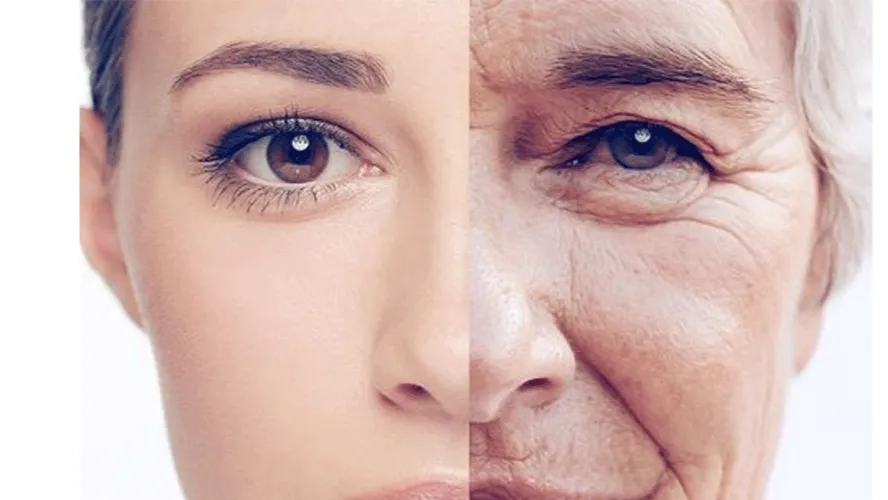
Poor digestion also keeps the body in a low-grade inflammatory state. According to Dr. Pratayksha Bhardwaj, World Record Holder Dietician and Weight Management Specialist, this systemic inflammation accelerates collagen breakdown and weakens the skin barrier. “Skincare cannot replace what the gut hasn’t absorbed,” he notes. Hydration, too, is affected to which is why skin can feel tight and dehydrated even when you’re drinking enough water.
When it comes to gut support, probiotics often get all the attention. But experts agree they aren’t always the first step. Supplements are strain-specific and useful in targeted cases, but everyday fermented foods tend to work more gently and sustainably. Foods like curd, kefir, kanji, fermented vegetables, or even traditional batters help strengthen existing gut bacteria instead of forcing new strains into the system. Over time, this balance reflects clearly on the skin — calmer, clearer, and more resilient.
Before reaching for supplements, nutritionists consistently return to the basics. Vitamin C-rich fruits like amla, citrus, berries, and pomegranate support collagen. Healthy fats from ghee, nuts, seeds, olive oil, and fatty fish strengthen the skin barrier. Protein from eggs, lentils, paneer, or fish supports repair. Hydrating foods like cucumber, watermelon, coconut water, and bottle gourd help maintain elasticity. And antioxidant-rich vegetables protect the skin from daily oxidative stress. Even everyday kitchen ingredients like turmeric, jeera, ajwain, ginger, curry leaves quietly support digestion and skin health when consumed regularly.
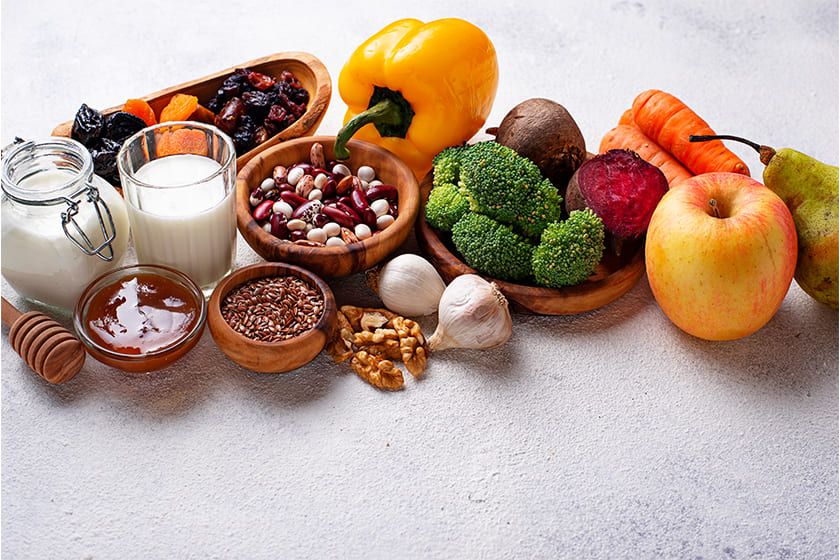
The takeaway is simple but often overlooked: skin longevity isn’t about eating perfectly clean, it’s about eating adequately and intelligently. When food nourishes rather than restricts, the gut settles, inflammation reduces, and the skin follows suit.
Also Read:
Healing From Within: How Stem Cells Are Changing the Way We Treat Pain, Injury and Cancer
The 5-5-5 Technique: The Quiet Ritual Calming Overstimulated Minds
Food, Caffeine, and the Invisible Sleep Clock