When actor Abhay Deol recently spoke about turning to stem cell therapy for healing and recovery, it reignited public interest in a treatment that is steadily redefining modern medicine. Once considered futuristic, stem cell therapy is today being embraced across disciplines and from orthopaedics and sports medicine to oncology and immune regeneration, offering the promise of healing that begins from within the body itself.
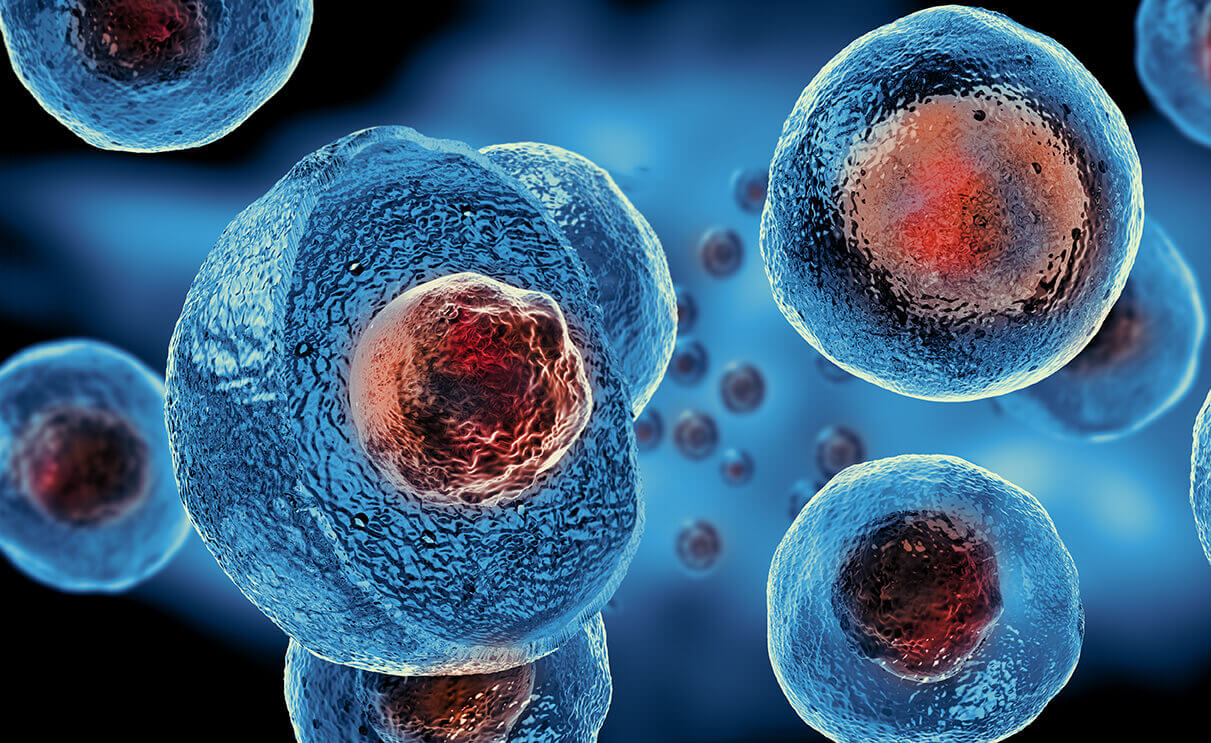
At its core, stem cell therapy taps into the body’s natural repair system. Stem cells are unique cells capable of transforming into various specialised cell types such as bone, cartilage, muscle, and blood cells. This extraordinary ability allows them to repair damaged tissues, reduce inflammation, and promote regeneration, making them a powerful tool in both pain management and disease recovery.
The Science of Self-Healing
“Stem cells are special cells in our body that can differentiate into various tissues, which is why they are considered the body’s natural repair system,” explains Dr. Akash Singhal, Consultant Orthopaedic Surgeon, Kailash Hospital, Dehradun. “In orthopaedic conditions, stem cells help by repairing damaged tissues, joints, and cartilage. They promote tissue regeneration, reduce inflammation, and significantly help in pain relief.”
Unlike conventional treatments that often focus on symptom management, stem cell therapy aims to heal the root cause. This has opened new possibilities for patients suffering from chronic joint pain, arthritis, sports injuries, muscle tears, and degenerative conditions.
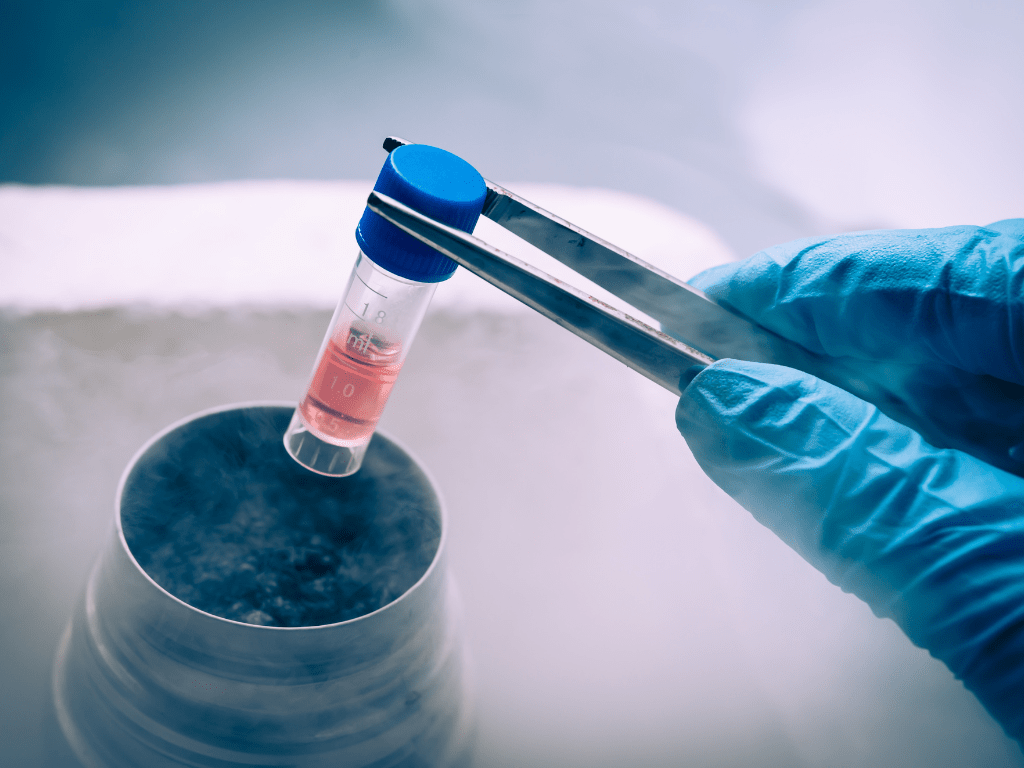
“When used at the right time, stem cell therapy may help patients delay or even avoid major surgeries such as total knee replacement or certain spinal surgeries,” says Dr. Singhal. “It is a minimally invasive, non-surgical treatment option for selected orthopaedic conditions and offers faster recovery with minimal downtime.”
Another significant benefit lies in its role in slowing age-related degeneration. By supporting tissue regeneration and reducing chronic inflammation, stem cells may help preserve joint health, muscle strength, and mobility — key factors for long-term wellness and quality of life.
“Stem cell therapy is emerging as a transformative approach in orthopaedic care and is expected to play a significant role over the next 5 to 10 years,” Dr. Singhal adds. “However, while results are promising, ongoing research is essential to fully understand its long-term potential and limitations.”
Stem Cells in Cancer Care: Hope Beyond Survival
Beyond musculoskeletal healing, stem cells play a critical role in oncology, especially in treating blood cancers and aiding immune recovery.
“Stem cell transplant plays two key roles in modern oncology,” explains Dr. Pallavi Redhu, Consultant Oncologist, Kailash Hospital & Neuro Institute. “The first is therapeutic — restoring healthy blood and immune function after intensive treatments for leukemias and lymphomas. The second is research-based, where stem cell therapy shows promise in recurrent solid tumors.”
In current cancer treatment protocols, hematopoietic stem cell transplantation forms the backbone of therapy for leukemias, lymphomas, and multiple myeloma. It is also being explored in recurrent solid tumors such as neuroblastoma and relapsed germ cell tumors.
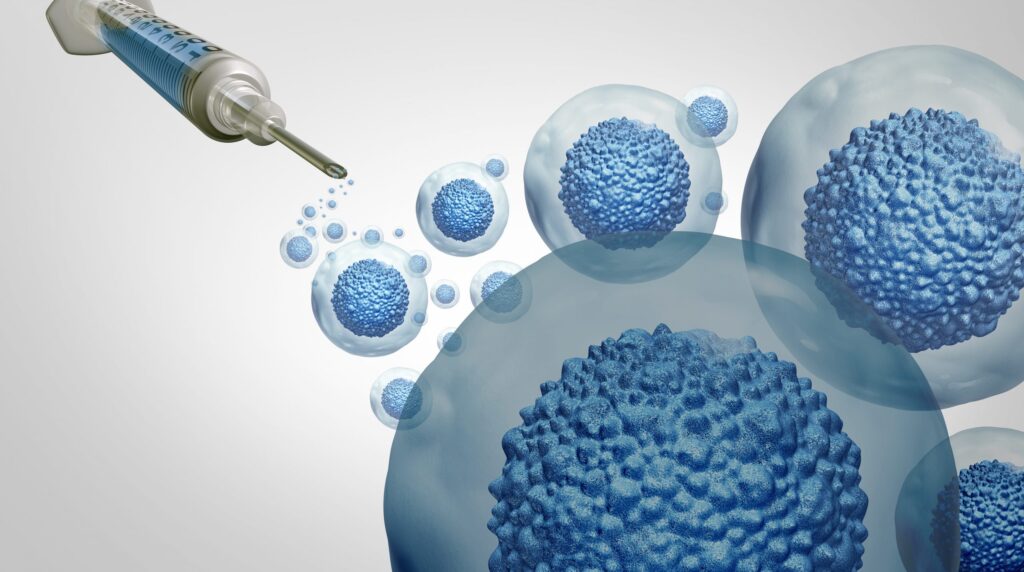
“For blood cancers, stem cell transplants can offer long-term remission or even cure,” Dr. Redhu notes. “Studies show that post-allogenic transplant, the ten-year survival rate in leukemias ranges between 50 to 80 percent, while in multiple myeloma, it is approximately 75 to 80 percent.”
Beyond survival, stem cells play a vital role in rebuilding immunity, restoring strength, and improving quality of life after aggressive cancer treatments.
Breaking the Myths
Despite growing awareness, misconceptions persist. “The most common myth is that stem cell therapy is a universal cure for all cancers, which is not true,” clarifies Dr. Redhu. “While cure rates are high in certain blood cancers, its role in solid tumors remains largely experimental.”
Another misconception is that stem cell therapy replaces conventional treatments. “Stem cell transplants complement standard therapies — they do not replace them. They are integrated into disease-specific treatment plans for the best outcomes,” she adds.
The Future of Healing
From celebrity wellness journeys to life-saving cancer treatments, stem cells are rapidly reshaping modern healthcare. Their ability to repair, regenerate, and restore positions them as one of the most exciting frontiers in medicine today.
As research deepens and clinical protocols evolve, stem cell therapy stands poised to transform how we understand healing — shifting the narrative from temporary relief to true regeneration, where the body learns to heal itself.