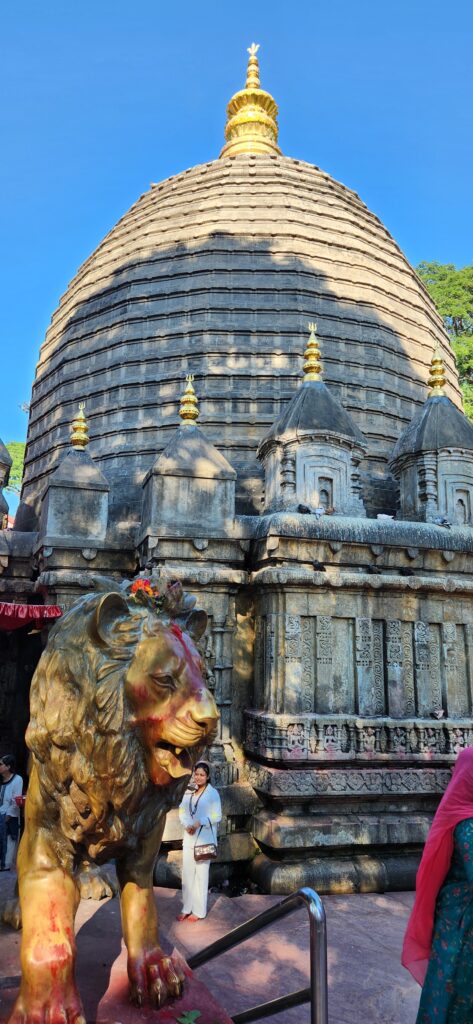
My recent visit to Assam and Meghalaya was truly fascinating, courtesy Antarabodh a travel retreat company which offers curated sojourns incorporating slow travel, creativity, and mindful expeditions. Since Guwahati is the gateway to Meghalaya, our stopover offered us the opportunities to visit the most sacred and oldest Shakti Peeth of Khamakya Devi Temple followed by a safari of Kaziranga National Park the next day, with some doing the elephant ride. Our sightings included the famed One-Horned rhinoceros, white deer, a cow elephant with its calf, a monitor lizard basking in the sun, different species of birds and other jungle creatures.
Our Meghalaya trip came with absorbing events, scenic trips to offbeat places and additional experiences like photography/art workshops, sound therapy on floating yoga mat and of course local food.
It was fascinating to understand from our genial guest relations executive Ricca, a Khasi herself, that the three main tribes of Meghalaya – Khasi, Jaintia and Garo are diverse in their culture, folklore, and clothes, including food. It is advisable to visit the museum to get a peek of their variance, all at one place. Here, a matrilineal system is followed where the women own the property and the youngest daughter not only inherits it from her mother, but performs all the rites and rituals. Her husband moves in to stay with her at her property. Chrisitan missionaries have converted most of them into Christianity.
Tanu Loht, Founder of Antarabodh, had drawn an itinerary of non-touristy, secluded places like Nongkhnum – the second biggest river island in Asia, Kyntaiai Valley for its picturesque beauty where photography and art workshops were conducted, besides Krem Chympe and Khadum Falls, Tyrshang Village known for black clay pottery where tourists could try their hands at pottery making.
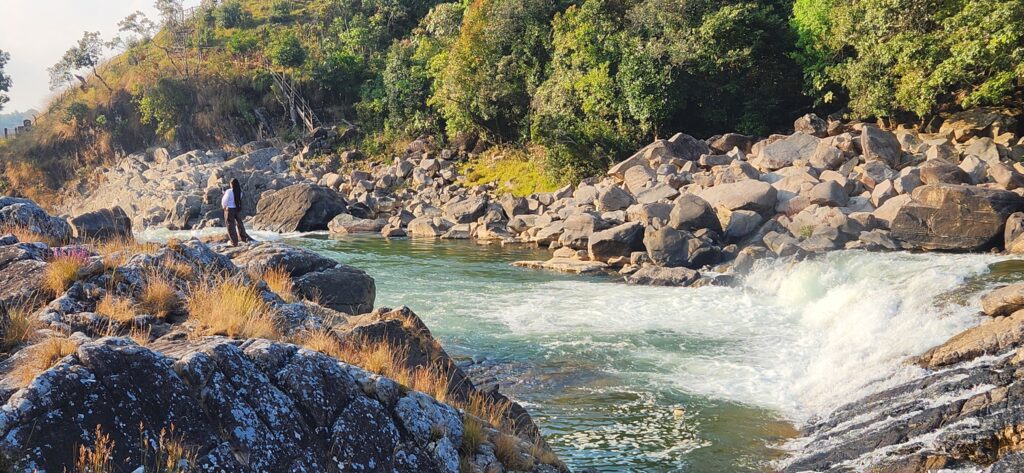
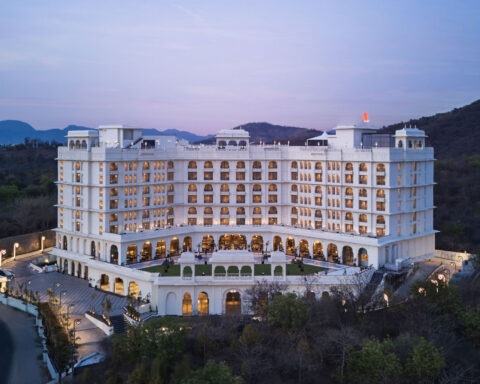
More than a 5-hour drive, after breakfast at the Marriott Hotel at Shillong, took us to the river island. The long drive threw up visual delights of dense verdant forests and terraced fields, followed by winding hill roads. Cloud-laden mountains and views of waterfalls left us spellbound in anticipation of what to expect. We arrived at Nongstoin, the gateway to Nongkhnum river island only to drive further through a bumpy 20kms of uneven and rough terrain. The crisp autumn breeze caressed our faces, exuding an earthy scent, while the vibrant biodiversity and the serenity of the isolated island overwhelmed our city-bred senses. After crossing a rickety foot bridge, we landed on the sandy land. This exceptional island rewarded us with a pristine, lush green and sandy beach with crystal clear waters.
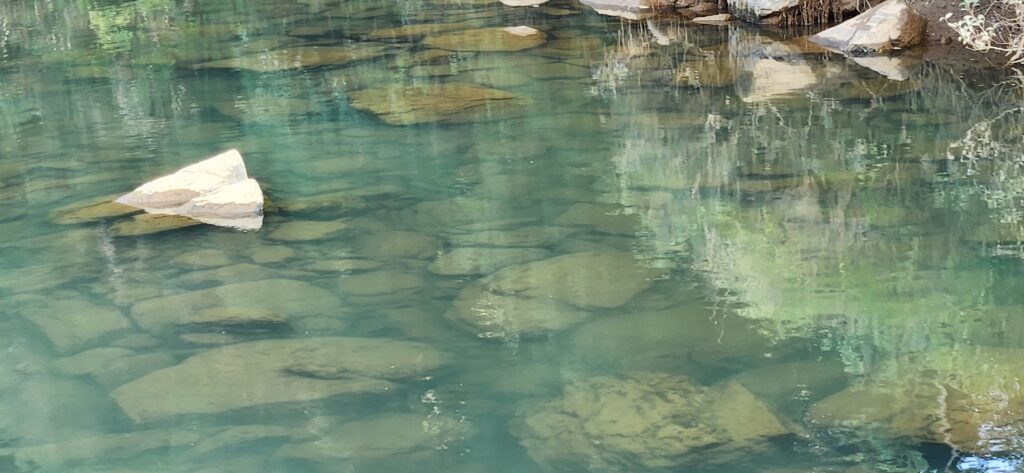
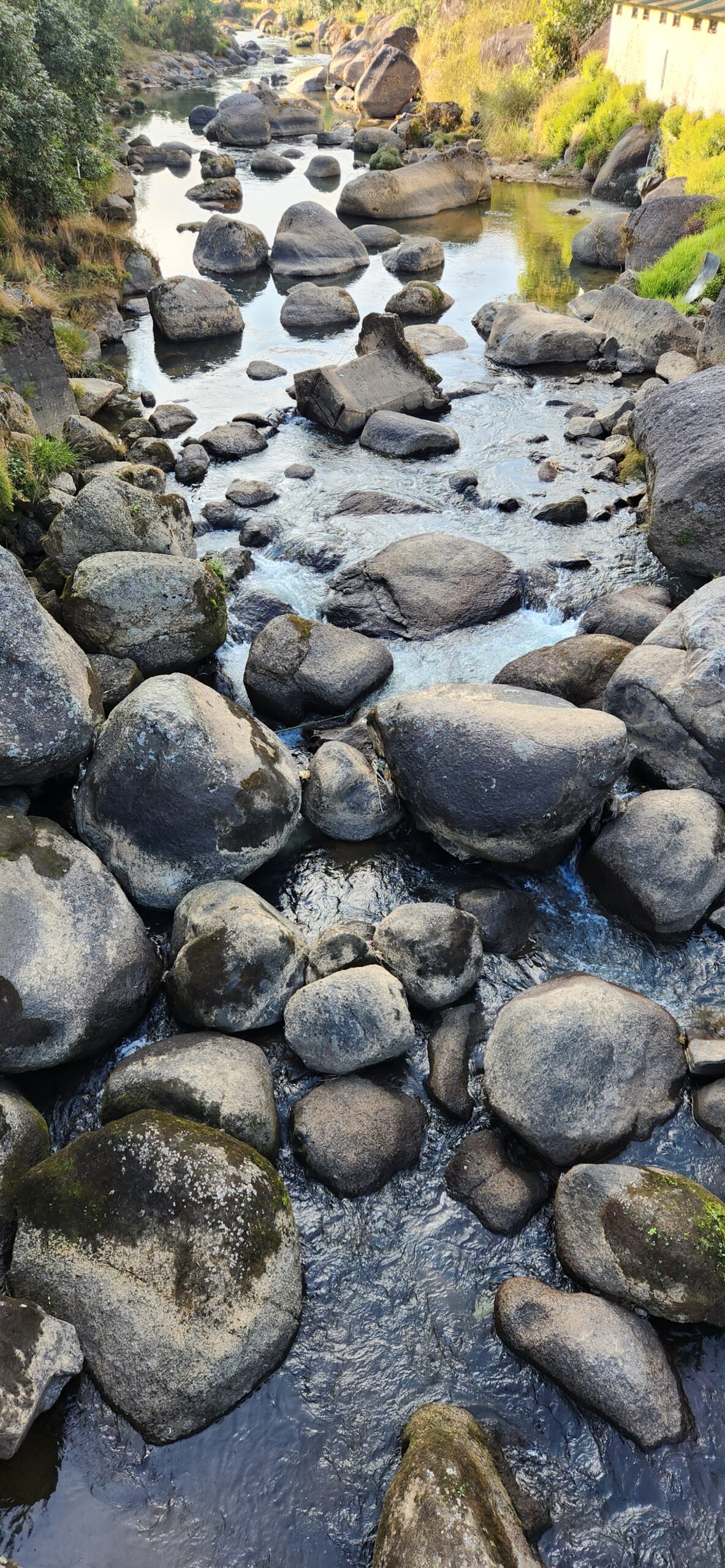
A boat ride to the other side where Meghalaya’s longest river, the mighty Kynshi, splits into the Phanliang and Namliang rivers, was blissful with stunning vistas. Our chatter reverberated more than footsteps here as everyone got ecstatic at Instagrammable sights. A few precipitous treks rewarded us with views of the cascading Weina Falls and Langshiang Falls. Youngsters got a little closer to feel their cool, misty sprays while some of us simply relaxed by the river bank taking in its glorious shimmer and pebbly route. Every backdrop was picture-perfect, every silhouette a frame waiting to be captured. Our endearing guide Jolly was much in demand for his expertise with insta-worthy clicks.
This nature’s sanctuary may captivate avid overnight-campers to catch the ethereal shades of sunset. But make sure to get plenty of drinking water, packed food, torches, power banks, and all other essentials as this place is isolated with just a couple of shacks selling just bottled water, black tea, local soft drinks and biscuits. Dusk sets in by 5pm and the air can get chilly. With no electricity or any comfortable amenities (toilets without water), be prepared to beat the odds if you still wish to trade for a campfire night under starlit skies. For those returning to the city, leaving the island before sunset is recommended as traversing through patchy and jagged roads in the dark can be daunting.
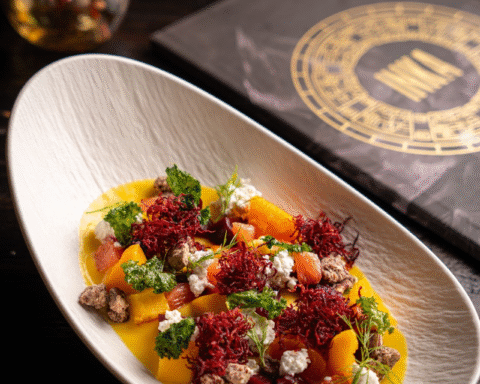
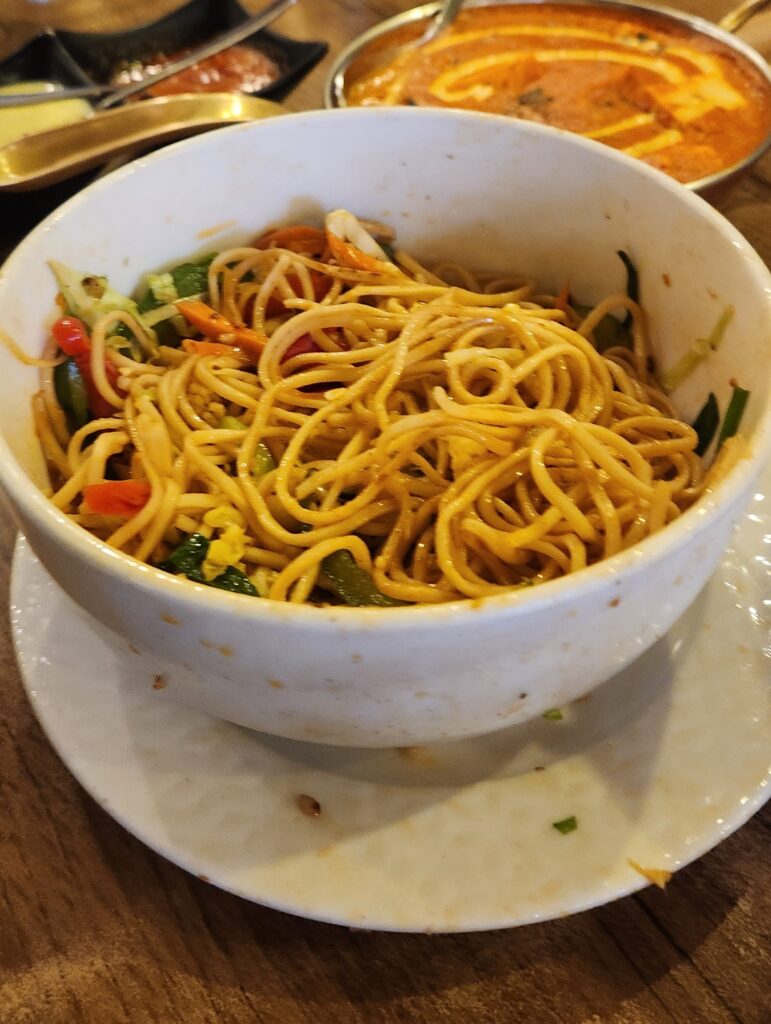
En route back to Shillong, we gorged on local food from small cafes, which put forth Indo-Chinese and Indian flavours. We dug into piping hot Manchow soup with fried noodles, momos with fiery chutneys, pumaloi (soft, steamed rice cake) and drank the robust Sha-saw or red tea served sans milk.
As a startup, Antarabodh did experience a few hiccups at times, but these were compensated with Meghalaya’s clement weather, powerful and healing dreamscape capable of rejuvenating and revitalising curious souls!