Women were taught to tolerate discomfort. Period pain was dismissed as normal. Mood swings were brushed off as emotional. Exhaustion was framed as something to push through, not question. Hormonal health existed in the background—present, but rarely prioritised.
That silence is finally shifting.
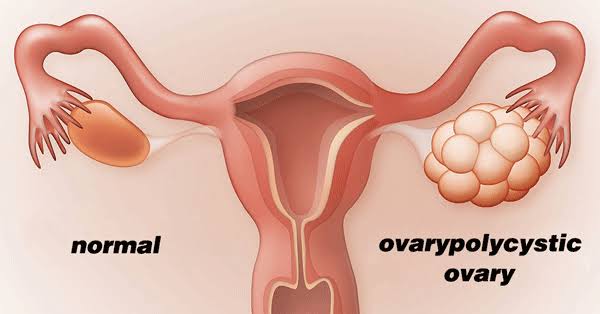
Across age groups, women are beginning to ask better questions about their bodies. Not just what hurts, but why. Not just how to fix it, but how to live with it more consciously. Conversations around PCOS, endometriosis, thyroid health, perimenopause, and stress hormones are no longer niche but they’re becoming part of everyday wellness dialogue.
A big reason for this change is awareness. Women are recognising patterns they once internalised as personal failure: fatigue that doesn’t resolve with rest, anxiety, weight changes that don’t respond to advice. When symptoms repeat, curiosity replaces self-blame.
According to Dr Meera Agarwal, Gynaecologist at Agarwal Nursing Home in Mumbai, this shift is long overdue. “Many women come to us after years of ignoring symptoms because they were told it was ‘normal’,” she says. “Hormonal imbalances don’t always present dramatically. They often show up subtly with irregular cycles, mood changes, sleep issues, or persistent fatigue. Early attention makes a significant difference in long-term health.”
It’s no longer viewed as indulgent or unproductive, but as essential to hormonal balance. Sleep, nourishment, stress management, and boundaries are becoming non-negotiable foundations rather than optional add-ons.
Periods don’t have to be debilitating. Constant bloating isn’t just “how it is.” Mood swings aren’t a character flaw. When women stop minimising their symptoms, they start demanding better care—and more nuanced answers.
Of course, the growing focus on hormonal health has also fuelled a wave of products and quick fixes. Dr Agarwal offers a word of caution: “Supplements and lifestyle tools can support hormonal health, but they are not substitutes for medical evaluation or consistent habits. Hormones respond to how we live every day, not to overnight solutions.”
What feels powerful about this moment is that it isn’t rooted in fear but it’s rooted in understanding. Women aren’t trying to fix themselves. They’re trying to listen. To work with their bodies instead of constantly overriding them. When women understand their hormones, they don’t just feel better physically. They move through life with more clarity, confidence, and self-trust.